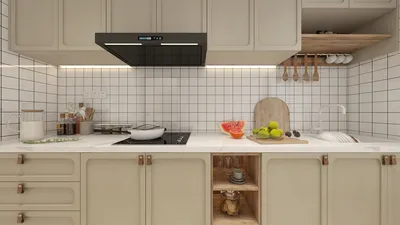


I focus on designing kitchens that are efficient and hygienic, ensuring rapid food preparation and great-tasting water. An effective tap filter accomplishes all of these goals. After consulting on various filtration systems for diverse living situations, including compact apartments and spacious family homes, I’ve developed a method for assessing filter performance, integrating it into daily workflow, and avoiding frequent pitfalls that lead to reduced filter longevity or compromised water flavor.
The quality of water goes beyond mere taste; proper hydration enhances cognitive function, and flavor influences how much individuals consume at home. Relevant workplace studies indicate that the perceived health benefits associated with water amenities affect daily habits. Utilizing the WELL v2 Standard, which sets stringent limits for clarity, chlorine, and mineral content, I reference these metrics when selecting kitchen water filters, ensuring we know exactly what constitutes "clean enough."
Lighting and ergonomics are crucial aspects that often go overlooked. For under-sink installations, appropriate task lighting between 300–500 lux, aligned with IES recommendations, not only promotes safety but also expedites maintenance. Additionally, I strategically design reach zones to allow for effortless cartridge changes without requiring excessive wrist movement, adhering to ergonomics.org guidelines to minimize awkward postures and prevent leaks from hasty service.
The Benefits of a Tap Filter
Kitchen tap filters effectively address four common concerns: the unpleasant taste or smell of chlorine, sediment and rust, lead contamination from aging plumbing, and tiny organic particles that can alter flavor. Carbon block cartridges excel at eliminating chlorine and many volatile organic compounds (VOCs); ion-exchange resins tackle lead and scale; while hollow-fiber membranes filter out fine particulates. To make informed decisions, I always refer to local water quality reports and ensure the filter's certifications correspond to listed contaminants. I prioritize filters with verified claims, such as NSF/ANSI standards, and check flow rates to maintain water pressure even as cartridges approach the end of their life.
Types of Filters I Prefer
• Faucet-mounted filters: These are easy to install and ideal for renters. Although they can be cumbersome and add weight to the faucet, they provide instant taste improvements.
• Under-sink carbon block: My go-to for most households. These filters offer a good balance of contaminant removal and minimal countertop clutter, with options for either dedicated faucets or full-flow setups.
• Multi-stage under-sink with sediment prefilter: Ideal for older buildings showing signs of rust and sand. The prefilter significantly extends the lifespan of the main cartridge.
• Reverse osmosis (RO): Outstanding for reducing total dissolved solids (TDS) and consistently delivering a clean taste. However, these systems require a storage tank, consume some water in the filtration process, and benefit from remineralization to enhance the flavor of coffee and tea.
Balancing Flow, Pressure, and Flavor
Clients often want restaurant-quality taste while needing to fill pots quickly. I assess household static pressure, aiming for the ideal 40–80 psi, and evaluate the filter’s flow rate at 60 psi. A carbon block filter rated at 1.0–1.5 gpm on a dedicated faucet strikes an excellent balance for both drinking and cooking needs. If the main sink faucet must provide full-flow filtration, I ensure it’s paired with a low-pressure-drop cartridge and verify the mixer can accommodate it without sputtering.
Layout: Optimal Placement for the Filter
The under-sink area is valuable space. I position cartridges in the front half of the cabinet for easy access and vertical mounting to facilitate clean replacements. I recommend steering clear of the garbage disposal side to limit vibrations. If the sink aligns with a corner cabinet, I evaluate door swing and hinge clearances before drilling for a dedicated filtered faucet. For clients who wish to visualize their options, I utilize a simple room design tool to ensure the filtered spout won't interfere with window frames or backsplash outlets.
Materials, Finishes, and Aesthetic Cohesion
Filtered faucets are available in various finishes such as stainless steel, PVD brass, matte black, and enamel. I typically match these to the primary faucet unless the finishes are of different qualities; in such cases, I consciously contrast, for example, pairing a brushed stainless main faucet with a sleek black filtered spout, to prevent subtle matches from appearing mismatched. When selecting countertops, materials like stone and solid-surface are easy to drill, while sintered stone or porcelain requires careful drill bit selection to avoid damage.
Lighting, Color, and Perceived Purity
Perception influences taste. A cool-neutral lighting temperature of around 3500–4000K enhances the visual clarity of water without seeming clinical. Warmer ambient lighting contributes to the kitchen's coziness. I avoid overly blue light, which can make stainless steel appear harsh and dull the water’s appearance. Research in color psychology suggests cooler tones signal cleanliness; thus, I incorporate subtle cool-colored accents near the filtered outlet to strengthen this perception without undermining the room's warmth.
Ergonomics: Easily Operated with One Hand
Accessing filtered water should be effortless. I recommend placing the dedicated faucet close enough to the main faucet for easy reach, yet sufficiently distanced to accommodate a bottle without interference. Typically, a distance of 3–5 inches from the main faucet, aligned with the front edge of the sink, minimizes the chance of spills. If using a pull-down main faucet featuring built-in filtering, I ensure the grip and trigger mechanism are easy to operate even with wet hands, as tactile feedback surpasses tiny LED indications in usability.
Acoustic Comfort: The Sound of Quality
Pump-assisted reverse osmosis systems may produce noise, and even passive carbon filters can generate hissing sounds as cartridges drain. To mitigate this, I install pumps on neoprene pads and use soft clips to prevent tubing from touching cabinet walls. For families with young children or open-concept living spaces, this minor adjustment can mean the difference between nighttime filtering use and avoiding it altogether.
Installation Essentials: Principles I Adhere To
• I prefer stainless braided supply lines and ensure smooth loops, as tight bends can restrict flow and stress fittings.
• I incorporate shutoff valves for each filter stage to reduce water shutoff time to mere minutes during maintenance.
• If counter space is limited, I recommend reassessing the soap dispenser’s location, as relocating it to accommodate the filtered faucet often yields a cleaner solution.
• I label all tubing and document the installation date within the cabinet, as future you will appreciate the reminder.
Maintenance Rhythm and Recognizing When to Change
Replacing filters based on a set calendar is acceptable, but monitoring volume is more effective. Many carbon block filters indicate their lifespan by gallons; for households that cook regularly, I advise changing them every 6–12 months. Taste changes and slower fill rates serve as practical indicators: noticeable flatness or a return of chlorine flavor suggests that saturation is approaching. For reverse osmosis systems, I recommend using a simple meter to monitor TDS, replacing membranes when the TDS approaches 20-30% of incoming feed water levels.
Health Standards I Follow
While residences aren’t certified like commercial spaces, I align my targets with established guidelines. I aim to keep free chlorine levels below taste thresholds, monitor turbidity visually (water should appear clear), and avoid filters that remove all minerals unless we plan to replenish them through remineralization. These decisions resonate with the water quality concepts outlined in WELL v2, tailored for residential contexts without overcomplicating the setup.
Common Mistakes and My Strategies to Avoid Them
• Overlooking municipal water quality reports: Ignoring these can lead to overspending on unnecessary technologies or overlooking important contaminants.
• Installing cartridges too low: Filters positioned at the bottom of cabinets absorb drips, leading to early failures.
• Mixing metal finishes indiscriminately: Choosing a near-match can backfire; it’s best to either find a perfect match or make a bold contrasting choice.
• Forgoing a prefilter in older piping: This often results in rapidly deteriorating carbon blocks and slower water flow.
• Neglecting bottle clearance: Always check the height of your largest bottles under the filtered spout before committing to drilling.
My Decision-Making Checklist
1) Begin by reviewing your water quality report, taking note of chlorine, lead, and hardness levels.
2) Determine your outlet type: a dedicated faucet for precision, or an integrated solution if counter real estate is limited.
3) Choose your primary filtration technology: select carbon block for taste and chlorine removal; consider adding ion-exchange for lead; reserve reverse osmosis for persistent TDS or scale challenges.
4) Evaluate flow rates against pressure and your family’s usage patterns.
5) Optimize the under-sink layout using a quick room layout planner to ensure ease of maintenance and proper spout placement in reach zones.
6) Establish a replacement reminder connected to either the number of gallons used or a monthly timeframe that’s easy to remember (like tax season, when papers inevitably surface).
Frequently Asked Questions
For most municipal water supplies, a high-grade carbon block filter adeptly addresses taste, chlorine presence, and various organics. Opt for reverse osmosis if significant TDS reduction is necessary, or if you're frequently dealing with hard water or seeking a consistent flavor for beverages. Adding remineralization aids in enhancing mouthfeel.
Generally, filtered flow rates range from 0.75 to 1.5 gallons per minute, depending on the cartridge and pressure. I aim for around 1.0 gpm for a harmonious balance of flavor and usability.
Certainly—look for filters validated for lead reduction, commonly under NSF/ANSI 53. A combination of ion-exchange and carbon filtration performs effectively when properly installed and maintained.
Typically, carbon blocks need replacing every 6 to 12 months, with a more frequent schedule required for extensive cooking or high sediment situations. Reverse osmosis prefilters have a similar lifespan, while membranes may last between 2 to 3 years based on incoming water conditions.
Full-flow filtration systems can reduce flow rates if the cartridge exhibits high pressure drop. To mitigate this, select a low-restriction filter or use a dedicated faucet, ensuring that the main line maintains sufficient speed for dishwashing.
Reverse osmosis tends to strip many minerals, which can dull flavor. Incorporating a remineralization cartridge can restore balance, enhancing coffee extraction and overall mouthfeel.
Fine particulate filters can capture micro-sized materials effectively. Always check pore size specifications and look for third-party testing; combining with carbon filtration enhances taste and eliminates odors.
Install the filter vertically with unobstructed access, add dedicated shutoff valves, label all tubing, and keep a towel and tray handy in the cabinet. Adequate task lighting around 300–500 lux helps in preventing cross-threading and potential leaks.
If scale is a concern due to hardness, consider an ion-exchange stage or reverse osmosis to reduce buildup. Carbon filters won’t significantly address hardness issues.
If available, additional deck holes are suitable for filtration purposes. If not, re-evaluating the soap dispenser location or using an integrated main faucet equipped with filter functionality is advisable.
Opt for PVD finishes as they outperform basic coatings in resistance to scratches and corrosion, ensuring that the secondary faucet retains its pristine appearance over time.
If you're looking to transform your space effortlessly, Homestyler is your go-to online home design platform. With its user-friendly design tool, stunning 3D renderings, and a wealth of inspiring design projects and video tutorials, you'll easily create your dream home. Start designing today!
Concevez maintenant gratuitement
































