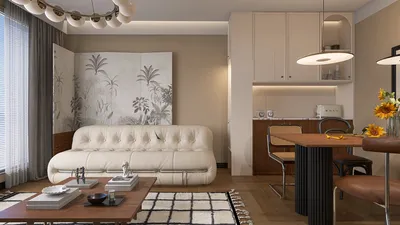


The kitchen sink serves as a vital command hub within any household, managing tasks like food preparation, washing dishes, composting, and quick cleanups, often more than the cooktop. Throughout my decade-long journey in designing residential kitchens, I've observed that the sink area is where style and functionality can either harmonize beautifully or clash. My method integrates principles of ergonomics, lighting techniques, and material sensibility, all while maintaining a serene aesthetic that appears effortlessly chic. Leveraging tools like Homestyler, we can visualize these aspects in our designs.
When it comes to designing this essential area, it's crucial to consider the natural movements of users. The NKBA kitchen planning guidelines highlight the concept of the classic work triangle, but contemporary layouts favor designated task zones—those for sinks, preparation, cooking, and cleaning. For optimal efficiency, positioning the sink within a 24–36 inch area ensures seamless prep and drying processes. To enhance comfort, WELL v2 recommends task lighting set between 300–500 lux to alleviate eye strain when chopping or rinsing; refer to WELL v2’s Light concept for more details on illumination standards. In my designs, the sink lighting is calibrated to provide around 400 lux on the countertop without glare, ensuring visibility of edges and residues.
How the sink relates to the dishwasher and the trash can is just as important as the faucet itself. Studies conducted in workplace settings consistently reveal that proximity can minimize wasted time and errors; similarly, in home kitchens, keeping waste bins within a step from the sink can significantly reduce spills and the risk of cross-contamination. Research from Steelcase indicates that even minor inconveniences accumulate into notable inefficiencies; although originally focused on office environments, this concept is equally applicable at home. When a dishwasher door is opened, optimal layout ensures clear access and a short distance from the rack to the dish-drying area. If renovations are in process, utilizing a digital layout simulation tool helps to validate distances efficiently before finalizing plumbing decisions, making designing with Homestyler an effective approach.
Sink Dimensions, Basin Design, and Proportions
Design decisions should be driven by the tasks at hand. For those who frequently engage in batch cooking or hosting, a single basin that ranges from 30 to 33 inches provides ample space for sheet pans and stock pots. For homes that lean towards multitasking—s soaking on one side while rinsing on the other—a 60/40 double basin offers a perfect balance of flexibility and capacity. I aim for a ratio of 3:2 between basin width and countertop landing, which not only feels visually stable but also ensures adequate drying and staging space. Opting for undermount sinks creates the cleanest wipe-down edge, whereas drop-in models can be more accommodating in retrofitting situations, especially with delicate countertops.
Faucet and Water Control: Reach, Arc, and Flow
A faucet designed with a reach of 7–9 inches and a high arc effectively clears tall pots while minimizing splashes. Opting for pull-down sprayers equipped with a pause button proves beneficial; this functionality allows for flow modulation and reduces water wastage during multiple rinsing processes. If you're living with hard water, changing aerators seasonally is advisable to prevent mineral buildup, which can disrupt spray patterns. I prefer to use flow restrictors between 1.5–1.8 gpm when water pressure is high; this feature maintains performance while conserving water. When installing a filtration system or a hot tap, ensuring unobstructed access to valves and labeling the lines for future maintenance is essential.
Lighting the Sink: Lux, Color Temperature, and Glare Control
Proper task lighting enhances the sink's safety and efficiency. Targeting approximately 400 lux on the countertop is ideal, achievable through under-cabinet LEDs or strategic pendant lighting centered above the basin. A color temperature range of 3000–3500K accurately portrays food while keeping users alert. To prevent glare reflecting off water surfaces, the selection of diffused optics or prismatic lenses is key; I adhere to the contrast ratios established by IES lighting standards to mitigate harsh transitions between bright task areas and the surrounding ambient light.
Ergonomics: Heights, Clearances, and Shoulder Comfort
Standard counter height usually reaches 36 inches, but I customize this measurement to fit the primary user’s elbow height. For individuals shorter than 5'4", a counter height of 35–35.5 inches can alleviate shoulder strain during scrubbing tasks. Maintain 24–36 inches of clear countertop space on at least one side for drying and preparation. The dishwasher should ideally be positioned within 18–48 inches from the sink’s centerline, ensuring no major obstructions exist when the door is fully open. If the depth of a farmhouse sink leads to wrist discomfort, consider switching to a slightly shallower basin (8–9 inches) or incorporating a bottom grid to elevate the effective working plane.
Materials: Stainless, Fireclay, Composite, and Sustainability
Materials significantly impact both functionality and aesthetic appeal. Brushed stainless steel (16–18 gauge) is durable, hygienic, and quiet, especially when combined with sound-dampening pads. Fireclay suits classical designs and handles heat effectively, but be cautious of potential chipping at the rim. Composite materials featuring quartz or granite resins resist staining and offer soft-matte finishes that disguise water spots. In every case, I advocate for low-VOC sealants and verify the recyclability of packaging. When planning for soap dispensers or filtration faucets, pre-drilling only what is necessary simplifies maintenance by reducing the number of penetrations in the countertop.
Drainage and Sound: Slope, Strainers, and Acoustics
A subtle slope in the basin (approximately 2%) facilitates proper drainage without causing glassware to slide. Wide-basket strainers effectively catch food remnants and prevent clogging. For sound control, choosing sinks with undercoating and added sound pads significantly minimizes noise, especially during late-night dishwashing. To merge the crisp aesthetic of metal with softer materials, integrating wood accessories and cork pads can help dampen any clattering sounds.
Workflow and Zones: Prep, Clean, and Waste
I categorize the sink zone into three functional areas: a left or right landing zone for dirty items, a basin for active washing, and a clean-side for drying or rack storage. Keeping scrubbers and brushes in a ventilated caddy prevents odors; sealed containers can trap smells. The trash compartment, recycling, and compost bins should be conveniently located adjacent to the sink, preferably within the same counter run. If experimenting with different configurations, a quick run through an interior layout planner can highlight potential pinch points before plumbing work begins.
Style Moves: Finish Coordination and Visual Balance
Coordinating finishes prevents the sink area from becoming visually overwhelming. I typically ground the palette with two dominant finishes, such as brushed nickel and warm oak, while adding one accent finish like black or aged brass. Ensuring a match between faucet and cabinet pull sheen adds continuity to the overall design. For those who appreciate apron-front sinks, let their distinctive geometry influence the remaining elements of the space: repetition of curves in pendant lights or mirroring the linear design of the apron in a simple tile pattern can create harmony. Maintaining visual balance is key; heavier sink designs pair nicely with lighter backsplash materials to create an appealing contrast.
Storage Around the Sink: Smart Access Without Visual Clutter
Utilizing U-shaped under-sink organizers optimizes vertical space while avoiding the trap. A slim pull-out drawer for towels and baking sheets fits perfectly adjacent to the dishwasher, while a narrow knife drawer (complete with a safety insert) near the drying area enhances efficiency during food prep. For vertical storage of cutting boards, integrating a breathable divider can help prevent warping. Lidded bins for dish tabs and cleaning sponges can keep sightlines uncluttered.
Maintenance and Hygiene
For daily upkeep, rinse the basin and wipe down the surrounding countertop. Weekly, remove and clean the aerator and strainer, declutter soap dispensers, and inspect for leaks under the sink. Quarterly checks involve re-sealing natural stone surfaces and reviewing caulk lines. Good maintenance practices embody invisible design elements that help sustain the kitchen's functionality long after installation.
Putting It All Together
The most effective sink zones feel intuitive—everything is positioned as your hand instinctively expects it, the lighting is both vibrant and soothing, and materials exude timelessness. Fine-tune the ratios, clearances, and lighting, and allow finishes to communicate elegantly. Style naturally follows when all elements blend seamlessly, a process that can be aided by design tools like Homestyler.
FAQ
A 24–27 inch single basin optimizes usable volume while maintaining countertop clarity. Pairing it with a compact pull-down faucet ensures comfortable reach for users.
Aim for approximately 300–500 lux for effective task lighting, with 400 lux being the optimal target. Resources like WELL v2’s Light concept provide valuable guidance for glare management and lighting quality.
Utilize a color temperature of 3000–3500K for accurate food representation and to cultivate a calm, alert environment. Cooler temperatures may feel sterile; warmer tones could obscure the vibrancy of reds and greens.
The choice between a single basin or a 60/40 double basin depends on typical usage. A single basin accommodates large pots and baking sheets, while a double basin is advantageous for simultaneous soaking and rinsing.
Ensure the dishwasher sits within 18–48 inches of the sink’s centerline, with sufficient space to open the door fully and easy access to drying zones.
Using a flow rate of 1.5–1.8 gpm with a quality aerator guarantees efficient rinsing while conserving water. Ensure the spray pattern is reliable to avoid unwanted splashing.
Select sinks equipped with sound dampening features, incorporate bottom grids, and juxtapose hard surfaces with softer accessories to attenuate noise levels.
Brushed stainless steel (16–18 gauge) offers excellent overall performance, fireclay provides traditional heat resistance, and composite materials like quartz or granite lend stain resistance and contemporary aesthetics.
Maintain ventilated storage for cleaning tools, regularly clean aerators, utilize wide-basket strainers, and select low-VOC sealants to keep grime and mold at bay.
Yes—magnetic LED bars mounted under cabinets with appropriate diffusion can effectively deliver task lighting. Verify the lux levels with a simple app and adjust placement to minimize glare.
Discover the ease of home design with Homestyler! This user-friendly platform offers a powerful online design tool, stunning 3D renderings, and a wealth of inspiring design projects. Plus, its DIY video tutorials will guide you every step of the way. Transform your space effortlessly!
Concevez maintenant gratuitement
































