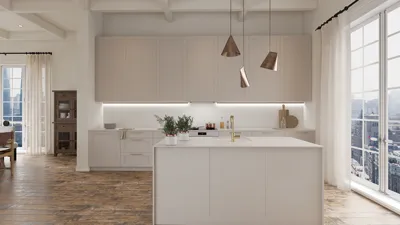


I have successfully installed and detailed KAG kitchen tiles in various settings including bustling family homes, rental properties, and select boutique hospitality establishments. These environments have encountered daily challenges such as oil splatter, steam, and the sporadic midnight lemon-juice spill. The most effective results emerged from achieving a balance among slip resistance, ease of cleaning, light reflectance, and a tactile quality that avoids a sterile look.
When developing a kitchen tile package, my starting point is the performance data related to user comfort. The WELL v2 standard emphasizes glare control as well as appropriate luminance contrasts to minimize visual fatigue in task areas; thoughtfully designed surfaces can enhance both functionality and mood (WELL v2 Lighting). Regarding ergonomics, extended periods of standing in preparation zones benefit from softer underfoot options, yet the flooring must still ensure slip resistance—especially in proximity to sinks and cooking stations (Chartered Institute of Ergonomics & Human Factors). These principles serve as a reminder that tile selection transcends mere aesthetics; it integral to daily workflows and overall comfort.
How I Recommend KAG Tiles for Various Kitchen Zones
I categorize kitchens into four distinct micro-environments: preparation, cooking, washing, and serving. Each zone presents unique requirements.
- Preparation Zone: I prefer matte or silk-matte wall tiles that feature a light reflectance value of 60–70%, allowing under-cabinet task lighting to reflect softly without causing glare. The IES task lighting guidelines highlight the importance of preventing veiling reflections; a soft tile surface contributes to the diffusion of hotspots (IES Standards).
- Cooking Zone: The combination of heat and oil splatter necessitates the use of dense, low-porosity glazed tiles paired with tight grout joints. I opt for medium-toned finishes to hide micro-splatter while maintaining a welcoming feel. Should the backsplash be located close to a heat source, it’s critical to check the temperature tolerances provided by the manufacturer.
- Washing Zone: For areas around the sink, a textured floor tile holding an R10–R11 slip rating is my standard preference. Larger formats minimize grout lines, but I maintain a narrow joint to enhance water runoff and reduce grime accumulation.
- Serving Zone / Island: In this space, I permit a bit of flair—whether through patterned tile or a soft-gloss finish that catches ambient light. This design choice frames the social core of the kitchen while keeping maintenance straightforward.
Color Psychology That Actually Works in Real Kitchens
The selection of color significantly influences the perception of cleanliness and appetite. Warm whites and muted creams evoke a sense of calm and sanitation, whereas subdued greens can promote freshness and alleviate visual stress. For clients who frequently cook, I steer clear of bluish whites that may make food appear unappetizing. The documented relationship between color and mood reinforces the need for careful selection; if you’re interested in understanding how colors can impact behavior, this guide provides valuable insights (Color Psychology).
Tile Formats, Grout Strategy, and Visual Rhythm
The format choice establishes the visual rhythm in the kitchen. For compact spaces, I utilize 3x12 or 2.5x10 rectangular tiles arranged in a running bond to elongate the walls and maintain seamless sightlines. In larger kitchens, a 3x6 herringbone pattern can inject energy into the backsplash without overwhelming the space. For flooring, tiles sized 24x24 or 12x24 simplify grout maintenance. The choice of grout color plays a significant role: matching tones create a seamless look; slight contrasts can highlight craftsmanship and pattern. In high-traffic kitchens, I prefer mid-tone grout to disguise stains while preserving clarity in patterned tiles.
Slip Resistance, Cleanability, and Acoustics
Kitchen flooring requires grip, especially when wet, but overly rough textures can turn into cleaning nightmares. My goal is to achieve a micro-texture that is perceptible yet not visible. In terms of acoustics, hard tiles can amplify noise; I counter this with underlayment, fabric window treatments, and comfortable seating arrangements. Even a small rug positioned near the preparation zone can mitigate high-frequency sounds without compromising cleanliness as long as it’s machine washable.
Lighting and Tile—A Practical Partnership
The finish on tile interacts dynamically with light. Glossy surfaces enhance brightness but can create glare under focused lighting; matte finishes soften the light effect but may appear flat if not properly illuminated. Task lighting, particularly under-cabinet, should ideally range from 2700–3500K to maintain warm food tones, further complemented by neutral 4000K ambient lighting if the kitchen opens into a living area. I routinely test tile samples under the planned lighting conditions prior to ordering. The IES standards cover lighting criteria related to visual comfort, and WELL v2 provides guidelines on contrast and glare controls to ensure comfort during extended preparatory work (IES Standards | WELL v2 Lighting).
Material Selection: Porcelain vs. Ceramic vs. Stone
For kitchens that experience significant foot traffic, porcelain tiles are superior due to their density and low water absorption rate, making them my preferred choice for flooring and heavy-use backsplashes. Ceramic tiles with glaze are excellent for walls as they offer a wider variety of colors and styles, are easier to cut, and are often more budget-friendly. While natural stone can deliver exceptional beauty around islands or as feature walls, it requires sealing and client commitment to its ongoing appearance.
Grout, Sealing, and Daily Maintenance Tips
For projects dealing with active children or frequent rental turnovers, epoxy grout proves beneficial as it resists staining and maintains color stability over time. Cementitious grout is sufficient for quieter households if sealed each year. I recommend a pH-neutral cleaner to prevent glaze etching, and any splatter should be wiped away promptly; citrus and vinegar can dull specific glazes over time. For matte finishes, a soft-bristle brush effectively removes grime without worsening the surface’s appearance.
Layout Planning: Getting the Tile to Support the Workflow
The arrangement of tiles should enhance movement and safety throughout the kitchen. I align grout lines with primary sightlines while considering the natural flow of water and oil. In galley kitchens, a longitudinal floor pattern can direct circulation; in L-shaped kitchens, I anchor designs to the longer sides, allowing the shorter runs to echo subtly. If you wish to test layouts rapidly alongside cabinetry and appliances before ordering, utilizing a layout simulation tool can help visualize tile rhythm alongside your kitchen plans and the digital space created by Homestyler.
2024–2025 Design Notes I’m Observing with KAG Tiles
- Warmer whites and ecru finishes are taking the place of stark cool whites.
- Subtle, tactile matte finishes that minimize glare in open-plan kitchens are gaining popularity.
- Soft, earth-toned flooring, such as taupe, clay, and sage, facilitate a smooth transition to living spaces.
- The return of linear mosaics as sophisticated accents rather than full coverage for backsplashes is notable.
- Larger format tiles for flooring in rental-grade installations help reduce the hassle of grout upkeep.
Real-Life Lessons from Installations
Two lessons persistently emerge: texture has a larger effect than we often recognize, and lighting exposes every detail. A textured R10-rated floor prevented slips for a client near a farmhouse sink, while the backsplash required a silk-matte finish because using glossy tiles beneath three pendant lights led to distracting reflections over the cooking range. In another instance, substituting a stark contrast grout for a mid-tone version significantly decreased cleaning time, as micro-stains were no longer glaringly visible against white tiles.
Cost, Value, and Longevity
KAG’s mid-market pricing has proven effective in smaller multi-family developments where return on investment hinges on durability and efficient turnover. I assess value through lifecycle costs: low-porosity surfaces, manageable grout maintenance, the adaptability of colors that age well, and finishes that appear great in natural lighting. This combination triumphs over trendy designs that necessitate intensive maintenance routines.
FAQ
A low-porosity, dense glazed tile with a silk-matte finish. It conceals splatter more effectively than a high-gloss finish and minimizes glare under task lighting.
Use diffused under-cabinet lighting, lower beam angles, and always test tile samples with the actual fixtures installed in your kitchen. Opt for matte or satin finishes in areas with high reflectance to manage glare effectively.
R10–R11 is an ideal slip resistance range for residential kitchens, providing adequate grip when wet without creating excessive cleaning challenges.
No, porcelain is known for its density and low absorption, making it most suited for high-traffic kitchens, especially in zones near sinks and cooktops.
Epoxy grout resists staining and changes in color; for those who prefer cementitious grout, annual sealing is crucial, along with selecting mid-tone colors to conceal everyday staining.
Employ complementary warm whites with wood finishes, and neutral grays in conjunction with painted cabinetry. Consistency in undertones is vital to prevent clash under mixed lighting conditions.
While high textures can impede cleaning, a fine micro-texture balances slip resistance with ease of maintenance. Combine this with a pH-neutral cleaner and a soft-bristle brush for effective cleaning.
Yes, they can simplify designs by minimizing grout lines and visual complexities. Ensuring patterns are straightforward and aligning joints with primary sightlines allows for a peaceful flow within the space.
Colors such as warm whites, muted greens, and desaturated creams create a fresh and welcoming ambience without altering food visibility.
2700–3500K lighting keeps both food and wood tones warm, while a neutral 4000K ambient light can harmonize with open-plan designs. Always conduct tests with tiles under your anticipated lighting to ensure proper aesthetic alignment.
Yes, using them as focal accents can enhance texture or patterns without complicating maintenance routines.
Prototyping digitally can help visualize the flow of patterns in concert with cabinetry and appliances. Utilizing a dedicated layout creation tool, such as Homestyler, can ensure early confirmation of tile alignment and rhythm.
Discover your design potential with Homestyler! This user-friendly online platform offers a powerful design tool, stunning 3D renderings, and a wealth of inspiring DIY video tutorials. Whether you're a beginner or an experienced designer, Homestyler makes it easy to create your dream space.
Projete agora para LIVRE
































