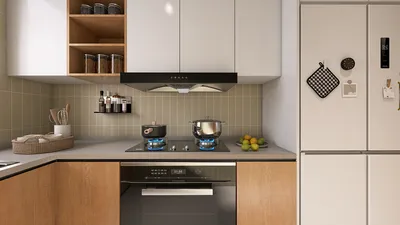


Heating large industrial spaces presents three major challenges: volume, air circulation, and the presence of various task zones. My ultimate aim in managing any warehouse or workshop is to provide consistent thermal comfort, ensure safety, and improve energy efficiency while keeping maintenance straightforward. Achieving this involves optimizing the choice of heating systems, distribution methods, and control mechanisms based on how occupants navigate and operate within the space. Utilizing tools like Homestyler can help visualize and plan these layout intricacies effectively.
Real-world performance data significantly influence these decisions. The WELL Building Standard (WELL v2) recommends maintaining thermal comfort levels between 20–23°C for most sedentary activities and up to 24°C for tasks demanding fine motor skills. It also highlights the importance of including adaptive controls for occupants (source: v2.wellcertified.com). Extensive research by Steelcase indicates that stable ambient conditions can enhance task precision and reduce fatigue in high-concentration settings. Consistent thermal and acoustic comfort has been shown to substantially increase perceived productivity in knowledge work spaces, akin to models seen in light manufacturing where stable temperatures can minimize error rates (source: steelcase.com/research). These benchmarks assist in quantifying the advantages of well-chosen heating solutions.
Airflow patterns and temperature stratification are also crucial factors. According to IES guidelines for industrial lighting, the unique characteristics of large volumes and elevated ceilings can affect glare and air distribution; this principle likewise applies to thermal management. In expansive facilities, air stratification can lead to warm air accumulating above 6–9 meters, resulting in wasted energy. By employing destratification fans and strategically positioning heater arrays, fuel consumption can often be reduced, resulting in improved floor-level temperatures, particularly in loading-dock-centric environments with frequent air exchanges.
Evaluate the Space Before Making a Selection
Begin with an assessment of the building envelope and operational workflow. Factors such as insulation effectiveness, ceiling elevation, air infiltration (from doors, docks, louvers), and zoning patterns heavily influence the ideal combination of heating solutions. In my projects, I categorize spaces into zones like loading, production, storage, and administrative areas, then align heating systems to their thermal requirements and safety considerations. Using Homestyler or similar room layout tools can effectively visualize these thermal zones and airflow dynamics.
Types of Heaters Suitable for Industrial Environments
Ceiling or wall-mounted unit heaters function by circulating heated air utilizing fans. These systems are versatile and relatively easy to install, making them ideal for spaces with moderate ceilings (4–8 meters) and areas where rapid response is necessary, such as near loading docks. However, potential issues include air stratification and increased energy consumption if not combined with destratification fans.
Radiant tube heaters provide direct heating to objects and people, which reduces heat loss through the air and efficiently addresses the challenges of high ceilings. They are ideal for open production areas, distribution centers, and environments with frequent door openings, both minimizing stratification and lowering overall operating costs due to focused delivery. Ensure compliance with clearance and combustion air regulations during installation.
They offer a clean, quiet, and precise heating solution for localized work areas, finishing rooms, and assembly lines, making them particularly advantageous where running fuel lines poses challenges or emissions are heavily regulated. It's important to assess electrical capacity and controls for staged operating modes.
In settings with high levels of exhaust (such as paint booths, welding shops, or those requiring process ventilation), Make-Up Air Units (MAUs) can temper incoming air and help maintain pressure balance. These systems ensure indoor climate comfort and safety by preventing cold drafts and negative pressure that could result in backdrafting of combustion systems.
Utilizing a central boiler allows for hydronic unit heaters or radiant floor systems to deliver consistent, even heating with extended service life. These options are favored for their durability and low noise, although they might respond more slowly to temperature changes. Radiant floor heating is particularly effective in high-bay storage facilities, especially where pallet movement is frequent and floor-level comfort is essential.
Selecting Heaters Based on Ceiling Height and Usage Patterns
Ceiling height significantly affects heating performance. For ceilings under 6 meters, fan-forced unit heaters can be efficient if properly ducted and paired with destratification methods. Between 6 and 12 meters, radiant tube heaters generally outperform convection options by reducing heat loss to rising air. For ceilings above 12 meters, a combination of radiant coverage in work areas and MAUs for air quality management often yields the best results. In intermittent use zones—like loading docks—radiant heating can provide swift comfort without needing to warm the entire space.
Heating Distribution Strategy: It’s More Than Just Adding BTUs
The strategy behind heat distribution is just as critical as the heating units themselves. My approach focuses on creating balanced airflow paths, preventing short circuits, and minimizing dead zones. Practically, this involves selecting heater placements to prevent overlapping airflow, incorporating destratification fans that help distribute warmth at lower levels, and employing simple baffles in proximity to high doors. For radiant tubes, align them in direct runs above active workflows, using reflectors angled away from walls and sensitive equipment.
Control Systems and Zoning
Implementing smart zoning minimizes energy waste. Organize heaters according to their respective activities and exposure levels: docks, assembly lines, storage, and office spaces. Incorporating demand-responsive setbacks during periods of low occupancy and implementing lockout systems linked to door sensors in dock-intensive facilities can optimize energy use. Align temperature setpoints with the recommended ranges from WELL v2 to ensure staff comfort without overshooting target temperatures. Utilizing data loggers allows for tracking stability and can effectively reduce fuel consumption by 5–15% through tighter scheduling.
Safety, Compliance, and Clearance Regulations
It's essential for industrial heaters to comply with standards related to combustion air, venting, gas piping, and electrical ratings. Maintain essential clearances from combustible materials, and verify dust or vapor classifications in areas like finishing or cutting rooms. Radiant tubes require careful placement to avoid overheating materials; similarly, unit heaters should have guarded intakes in dusty environments, necessitating regular filter maintenance. In vehicle bays, proper mounting heights and protection rails can help prevent impact damage.
Acoustics and Worker Comfort Considerations
The noise produced by fans can hinder communication and contribute to worker fatigue. Given that steel structures may amplify sound reflections, I opt for low-noise fans in areas adjacent to offices and add acoustic absorption elements to mitigate sound reflection off walls and ceilings. Infrared heating systems operate nearly silently, making them excellent choices for areas requiring focus. Maintaining thermal uniformity is vital for dexterity and reducing complaints; ensuring consistent temperatures within WELL v2 guidelines fosters better performance and fewer work breaks.
Energy Efficiency and Sustainability
Maximizing efficiency involves aligning the heating delivery method with the building's volume and usage. Radiant heating systems often demonstrate lower operating costs in high-bay facilities, while hydronic solutions are advantageous when existing boilers are in place and for longer operational times. Enhanced features such as weather-responsive resets on boilers, programmable temperature setbacks, and door interlocks at docks can significantly minimize energy loads beyond what a single heating unit upgrade could achieve.
Maintenance and Reliability Essentials
Industrial environments can be quite demanding. It's crucial to select heating equipment that allows easy access to filters, belts, igniters, and sensors. Planning for regular inspections every quarter, annual combustion tune-ups for gas units, and implementing thermal imaging on electrical connections can prevent issues. As a best practice, keeping spare parts kits on-site for critical heaters will help eliminate downtime.
Color, Lighting, and the Perception of Heat
The psychology of color can subtly influence how warm a space feels. Warmer color schemes in work areas may allow for slightly lower temperature setpoints to be perceived as comfortable, especially when paired with uniform and glare-reduced lighting. Coordinating heater placements with lighting designs can help avoid hotspots and shadows that may disrupt visual comfort.
Layout Simulation to Decrease Uncertainty
Before making final decisions, it's beneficial to simulate heating zones and airflow using a layout planning tool to identify areas that may be poorly heated due to dead zones or overexposed docks, as well as conflicting airflow patterns: interior layout planner. This process frequently uncovers more efficient combinations—such as using fewer unit heaters alongside targeted radiant systems—leading to reduced initial costs and energy consumption.
Recommended Heating Combinations by Situation
- Warehouse featuring 10 m ceilings and active loading docks: Implement radiant tubes above pick lanes, supported by MAUs sized for ventilation, and destratification fans situated near bulk storage areas.
- Fabrication workshop with 6–8 m ceilings and moderate exhaust: Combine unit heaters with effectively placed fans and task-specific electric infrared panels for precision tasks.
- For retrofitting an existing boiler system: Use hydronic unit heaters in storage areas, radiant flooring in assembly zones, and smart temperature setbacks for office environments.
Frequently Asked Questions (FAQ)
Q1: Which type of heater shows the highest efficiency for tall warehouses?
A1: Typically, radiant tube heaters are most effective in spaces exceeding 6–12 m in height, as they provide direct heating to individuals and surfaces, reducing energy waste from ceiling stratification.
Q2: How can I mitigate heat loss at loading docks?
A2: Combining radiant coverage in dock areas with door interlocks that adjust setpoints when doors open, implementing air curtains or fast-rolling doors, and using destratification fans can help maintain heat effectively.
Q3: What temperature range should I strive for comfort?
A3: Generally, for industrial tasks, aim for temperatures between 20–23°C, while finer motor skills may benefit from slightly warmer zones nearing 24°C, in accordance with WELL v2 thermal comfort recommendations.
Q4: Are electric infrared panels suitable for large spaces?
A4: Yes, they are excellent for localized areas—such as assembly lines, inspection stations, or finishing areas—especially in settings where gas lines would be impractical or emissions are a concern.
Q5: What effect do destratification fans have on energy consumption?
A5: Destratification fans mix warm air trapped near the ceiling and push it down to where people are working, enhancing comfort perception and reducing run time for heaters, especially in high-bay settings.
Q6: What's the optimal control strategy for mixed-use industrial floors?
A6: The best approach is to categorize zones by activity (like docks, production, storage, offices), implement time-based setbacks during low occupancy, and integrate sensor-based interlocks to avoid heating during high exhaust situations.
Q7: How do acoustic considerations influence heater choice?
A7: Heaters driven by fans can generate noise; hence, I recommend low-sound units or radiant systems near office areas or workspaces requiring focus. Incorporating acoustic panels can also diminish reverberation in metal structures.
Q8: What maintenance strategies can extend heater lifespan?
A8: Regular maintenance, including quarterly checks, annual combustion tuning for gas heaters, timely filter replacements, and stocking spare parts such as igniters and belts, can greatly enhance reliability and longevity.
Q9: Can hydronic systems measure up to gas-fired unit heaters?
A9: Indeed, especially in cases where a central boiler is available. Hydronic unit heaters offer continuous heat with minimal noise and an extended lifespan, while radiant floors significantly enhance comfort in work environments.
Q10: How should I size heaters for spaces with high ventilation needs?
A10: First, assess exhaust and make-up air rates, then choose MAUs that appropriately temper the incoming air, pairing them with radiant or unit heaters for optimal occupant comfort while avoiding negative air pressure for safety.
Q11: Does the color scheme genuinely affect how warm a space feels?
A11: Yes, opting for warmer color schemes can enhance the feeling of warmth, even at slightly lower temperatures, particularly when combined with uniform lighting and reduced glare, thus improving energy efficiency without compromising comfort.
Q12: What is the safest option for environments with dust?
A12: Use sealed or shielded intakes on unit heaters, maintain diligent filtration, and strategically position radiant tubes to prevent material overheating, ensuring all installations comply with regulations for dust or vapor hazards.
Originally incubated at Autodesk, Homestyler has grown into one of the most widely adopted home design platforms in the world, now trusted by over 18 million users. Whether you're a homeowner exploring ideas or a professional designer delivering client-ready renders, Homestyler brings industry-leading 3D technology to your fingertips — no experience required.
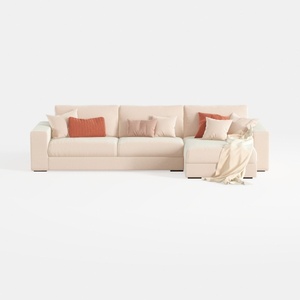
Minimalist Beige Fabric L Shaped Sectional Sofa 3D Model

Modern Contemporary Fabric Curved Sofa With Decorative Throw Pillows 3D Model
Discover your creativity with Homestyler, the ultimate online home design platform. Featuring an intuitive design tool, stunning 3D renderings, and a wealth of DIY video tutorials, you can effortlessly create and visualize your dream space, whether you're a novice or a seasoned designer!
Design Now for FREE
































