

I have organized and executed events at Gulmohar Hall, located within the India Habitat Centre (IHC) in New Delhi. The venue boasts a prime position on Lodhi Road, dependable amenities, and a versatile layout ideal for various occasions such as keynote speeches, medium-sized conferences, artistic displays, and cultural gatherings. Achieving the right arrangement, lighting, and sound can transform a decent event into an unforgettable experience. Research from Steelcase indicates that participants frequently adjust their posture, and providing adaptable seating that accommodates micro-movements significantly enhances audience comfort and engagement during presentations. Following the WELL v2 guidelines for glare-free lighting and ergonomic seating is crucial to minimizing fatigue during lengthy sessions.
When estimating expected attendance, Gensler's workplace research highlights that the arrangement of space and pathways affects perceived comfort and participant engagement. It is advisable to maintain aisle widths of 1.2 to 1.5 meters and ensure seating density falls between 0.8 to 1.2 square meters per person during lecture-style events to avoid congestion. According to the Illuminating Engineering Society (IES), a lighting level of 300 to 500 lux is optimal for multipurpose venues. For discussions and art exhibitions, targeting approximately 350 to 400 lux with a warm-neutral color temperature between 3500 to 4000K aids in achieving natural skin tones and ease of reading. By adhering to WELL v2's lighting recommendations, you ensure proper circadian rhythm support and minimize glare.
The influence of color on mood and memory is significant; warm colors energize while cooler shades promote tranquility. In Gulmohar Hall, the use of soft neutral tones complemented by gentle accents—such as rust, teal, or deep green—strikes a balance between formality and focus. The rich cultural context provided by the India Habitat Centre enhances the audience's sophistication, and selecting materials with subtle textures can alleviate visual distractions and improve navigation.
Venue Overview and Capacity Planning
Gulmohar Hall accommodates between 100 to 250 guests for lecture or mixed seating arrangements, contingent on stage size and audiovisual setup. For keynotes, a central stage riser is recommended, supplemented by lateral projection screens. Maintain a distance of 1.8 to 2.0 meters from the first row to the stage to prevent neck strain. For concurrent breakout sessions, consider partitioning the hall into two zones utilizing moveable dividers, ensuring emergency exit paths remain clear.
Recommended Layouts and Circulation
In a lecture format, aim for 8 to 10 rows with 1.0-meter aisles and staggered seating to enhance visibility. For panel discussions, curved front rows can be introduced to optimize sightlines. In banquet setups, arrange 10 to 12 tables seating 8 to 10 each, providing 1.5 meters for service pathways. The mixed gallery talk format should include display panels around the perimeter, centralized seating clusters, and quieter areas for one-on-one interactions. To effectively visualize and test sightlines, aisle dimensions, and seating density in advance, consider using a layout simulation tool such as Homestyler to create a realistic model of chairs, tables, and stage configurations.
Lighting Strategy
Aiming for 350 to 400 lux across seating areas with adjustable lighting zones is vital. Ensure that stage lighting remains at 300 to 500 lux, focusing vertical illuminance around 150 to 250 lux on speakers' faces to capture expressions for video. The color temperature should generally hover around 3500 to 4000K, with the stage presentation slightly cooler at 4000K to enhance clarity. Managing glare involves angling light fixtures and employing diffusers to avoid direct backlighting of speakers. The IES standards serve as a useful reference for ensuring minimum brightness levels for safety, while the WELL v2 guidelines can help address glare and circadian rhythm considerations.
Acoustic Comfort and AV Placement
Ensuring speech clarity is paramount. Opt for cardioid microphones to minimize ambient noise and position speakers at ear level, slightly forward of the audience to avoid feedback issues. Incorporate soft finishes—such as portable rugs and upholstered seating—to absorb mid-to-high frequency reflections while maintaining ambient noise levels below 40 to 45 dBA. When recording, ensure isolation between camera tripods and speaker equipment to prevent vibration transfer.
Seating Ergonomics and Human Factors
Diversifying seating options by including high-back chairs can cater to various posture preferences. Aim to provide armrests in at least 20 to 30% of the seats for older participants and ensure that seat depth allows for knees to sit at a 90-degree angle. Maintain a clearance of 450 to 500 mm between rows and an aisle width of 900 to 1000 mm to ensure comfort and facilitate movement. Providing standing tables toward the back encourages posture variation during prolonged events and incorporating short break periods every 60 to 75 minutes aids in maintaining engagement.
Stage, Sightlines, and Visual Balance
To enhance visibility during panel discussions, elevate the platform by 300 to 450 mm to create a connection with the audience without instilling intimidation. Ensure projector lenses are center-aligned to prevent distortions, and off-center the lectern to offer visual diversity. A carefully designed backdrop—using textured draping or a clean branding wall—can enhance presenter visibility without causing glare. Spatial rhythm plays a crucial role: alternating vertical features and gaps helps maintain a calm visual flow.
Wayfinding and Flow
Initiate visual cues from the lobby area: branded floor stickers with concise schedules and attendants positioned at critical decision points. Within Gulmohar Hall, situate agenda signage near the entrance while providing directional prompts at junctions. Clearly label registration, seating areas, and service stations. For exhibitions, create a clockwise flow with corridors measuring 1.2 to 1.5 meters and resting spots every 10 to 15 meters.
Materials and Sustainability
Choosing eco-friendly materials is key; opt for low-VOC paints and adhesives, utilize FSC-certified plywood for temporary installations, and incorporate reusable modular staging options. Employ fabric banners and rented furniture to minimize waste. Emphasizing natural materials—like linen and jute—complements the architectural style of the IHC. Whenever possible, select LED lighting with a high CRI (90+) to enhance color accuracy for artworks and signage.
Behavioral Patterns and Audience Engagement
Given the likelihood of late arrivals due to Delhi traffic, design a discreet entryway at the rear. Establish a mingling area with coffee service outside the main doors to help dissipate noise. Inside the hall, position social interaction zones at the back and designate quiet spaces at the front-center. For Q&A sessions, consider using roaming microphones and establish clear queue signage to encourage early inquiries, thus avoiding a last-minute rush.
Timeline and Operations
Coordinate load-in by confirming access times with IHC and scheduling slots for audio-visual providers. Conduct power tests, line checks, and lighting rehearsals at least three hours prior to the event start. Staffing needs should include a floor manager, two ushers for every 100 guests, one lead for audio-visual work, and a runner for speaker organization. Build in a 10-minute buffer between program segments and allocate a longer break of 20 to 30 minutes for extended gatherings.
Local Context and Logistics
Ensure that transportation options and parking directions are included in your invitations. Provide a detailed map that highlights the Gulmohar Hall entrance within the IHC grounds. Set up water stations and a variety of vegetarian food options to accommodate local tastes. Clearly display emergency contact information and ensure first-aid access is visible for staff.
Authority References
Consult IES standards for guidance on lighting levels and glare management. Use WELL v2 recommendations to establish benchmarks for human factors and wellness initiatives. For insights into spatial density and engagement, Gensler's research provides valuable context. The ergonomic principles derived from Steelcase studies can inform your choices regarding seating behavior.
FAQ
Plan for a space of 0.8 to 1.2 m² per attendee in lecture arrangements to optimize comfort and circulation, keeping aisles at a width of 1.0 to 1.5 m.
Aim for 350 to 400 lux in audience areas and 300 to 500 lux on stage, utilizing a color temperature of 4000K for clarity and natural skin tones.
Position fixtures away from projection surfaces, utilize diffusers, and angle lights to achieve vertical illumination without backlighting the speaker.
For medium-sized events, maintaining a height of 300 to 450 mm enhances visibility while still appearing approachable.
Employ soft materials—like rugs and fabric panels—near hard boundary surfaces, alongside cardioid microphones positioned ahead of audience seating.
A neutral base with muted highlights (such as rust, teal, and deep green) promotes focus while harmonizing with the architectural features of the IHC.
Display clear schedule boards in lobby areas while placing directional prompts at key points and distinctly labeling registration and seating zones.
Incorporate a mix of seating types, offer armrests in a portion of chairs, maintain a knee clearance of 450 to 500 mm, 900 to 1000 mm aisle widths, and provide standing tables at the back.
Plan to include quick stretch breaks every 60 to 75 minutes, as well as a 20 to 30-minute intermission during longer programs.
Utilize an interior layout design tool like Homestyler to visualize the arrangement of seating, aisles, and stage elements to assess sightlines and flow effectively.
Refer to IES guidelines for lighting, rely on WELL v2 for wellness and ergonomic standards, draw from Gensler's insights for layout planning, and consult Steelcase’s studies for effective seating behavior.

EALSON Upholstered Dining Chairs Set of 4 Modern

POLY & BARK Poole Lounge Chair in Distressed Green
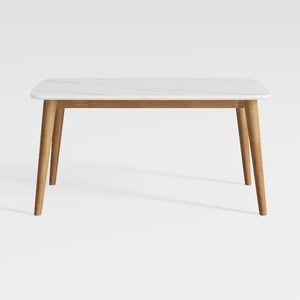

Modern Minimalist Faux Marble Solid Wood Dining Table 3D Model
Homestyler is your go-to online home design platform, perfect for anyone looking to create stunning interiors. With its easy-to-use design tool, impressive 3D rendering features, diverse design projects, and helpful video tutorials, you can transform your space effortlessly. Explore your creativity today!
立即免费设计
































