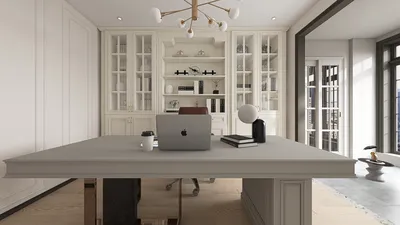


The Glass House Banquet Hall located at Jalavihar offers stunning panoramic views of water, complemented by its transparent structure. This unique setting creates a perfect backdrop for weddings, corporate events, and significant celebrations. In this piece, I will discuss my approach to organizing layouts, selecting lighting and materials, and managing acoustics for venues with substantial glass elements, while also considering practical capacity and workflow elements that ensure smooth event execution.
Research across workplace and hospitality fields reveals that the quality of space and environment directly influences behavior. Studies by Steelcase demonstrate that spaces featuring optimized lighting and acoustics can enhance both performance and satisfaction levels. Similarly, recommendations from WELL v2 advocate for maintaining light levels typically between 300 and 500 lux for general tasks, while minimizing glare to ensure visual comfort. When hosting events, I apply these principles to guarantee that attendees can read, dine, and socialize comfortably, even in a venue dominated by glass features. You can delve deeper into the WELL v2 Light standards to see how they apply.
The significance of sound is as critical as that of light. According to research from Herman Miller, unmanaged noise can detrimentally impact the guest experience and communication, particularly during speeches and toasts. For banquet environments, aiming for a reverberation time between 0.7 and 1.0 seconds is key to ensuring clarity of announcements while maintaining a pleasant atmosphere. Given that the venue is primarily glass, reflective surfaces necessitate the addition of soft finishes and appropriately tuned sound systems for optimal audio quality.
Capacity, Flow, and Transparent Space Planning
The Glass House typically supports banquet-style seating for 150 to 300 guests, depending on table arrangement, stage dimensions, and circulation needs. I ensure that the primary aisles measure at least 1.2 to 1.5 meters for ease of service and movement, with 0.9 to 1.2 meters between table groups, and a minimum of 1.5 to 2.0 meters clear space around the stage and dance area. When considering different seating configurations—such as long tables versus round ones, mixed seating arrangements, or shifts from ceremony to reception—I utilize a room layout tool to simulate guest movement and validate service routes.
Seating Configurations That Respect Views
With the expansive glass design, it's essential to maintain visibility of the horizon for most guests. I recommend using 60-inch round tables that seat 8 to 10 people, arranged to prevent direct visual obstructions. Additionally, positioning head tables parallel to the largest glass facade is effective. For cocktail hours, placing lounge clusters near the glazing and utilizing low-profile seating allows standing guests to enjoy the view. During ceremonies, a central aisle that leads to the waterfront enhances the visual appeal and creates an atmospheric procession.
Lighting Under Glass: Lux, Color, and Glare Control
For daytime events, an abundance of natural light is beneficial but must be managed to prevent glare. I aim for 300 to 500 lux at dining surfaces, increasing to 800 to 1000 lux on the stage during speeches or performances. Maintaining a color temperature between 2700 and 3200K during meals emphasizes warm skin tones and cultivates a relaxed ambiance; cooler whites in the range of 3500 to 4000K can be suitable for corporate functions or pre-event gatherings. To minimize glare, I utilize indirect uplighting, linear grazers on non-reflective surfaces, and matte diffusers over decorative lights. Setting lighting ratios around 1:3 between focal and ambient levels helps avoid washout effects in photography.
For technical guidance, I frequently refer to IES recommendations concerning indoor ambient levels and glare management, which assist in justifying dimming settings and fixture choices for AV teams. You can view further details in IES guidance materials.
Acoustic Strategy for a Reflective Envelope
Given that glass surfaces tend to amplify reflections and can increase reverberation times, I incorporate various soft elements: using linens with higher GSM for banquets, upholstered furnishings, area rugs in lounge areas, and installing motorized acoustic panels or temporary curtains in selected sections. To manage vertical reflections, I cluster ceiling baffles above the dance floor, and position speakers closer to the audience for enhanced sound coverage while minimizing spill. Conducting an audio check 90 minutes before guests arrive allows me to adjust the equalization based on actual occupancy since people absorb sound effectively.
Stage, Dance Floor, and AV Sightlines
For events with over 200 guests, I suggest a stage depth of 2.4 to 3.0 meters and a width of 6 to 8 meters to accommodate typical event bands and speakers. The dance floor should be centrally located but slightly offset from the main entry to avoid congestion; a reliable guideline is to allocate 0.6 to 0.75 square meters per dancer for peak moments. If projections occur against glass walls, utilizing ambient-rejection screens or LED displays is advisable. It’s ideal to maintain unobstructed views, and if structural elements interrupt sightlines, angling the stage or arranging seating in chevrons can help.
Color Psychology and Event Atmosphere
Venues with glass features greatly influence color selection. For weddings, I often incorporate warm neutrals paired with blush or muted greens to complement waterfront aesthetics; while for corporate events, cooler shades—like desaturated blues and charcoals—project clarity and focus. Studies in color psychology indicate that blue hues foster feelings of calm and trust, whereas warm tones encourage social interaction. A balanced color scheme can subtly guide behavior without feeling overly staged. I aim to keep vivid elements to about 10 to 15% of the visual space to prevent overwhelming guests with color.
Material Selection, Sustainability, and Comfort
To visually and acoustically balance the glass, I recommend using matte finishes on millwork, textured plaster backdrops, and natural fiber drapes to mitigate glare and add warmth. Whenever feasible, I prioritize low-VOC materials, FSC-certified wood components, and reusable modular decor to minimize waste. Ensuring slip-resistant floor finishes around serving areas enhances guest safety. At indoor/outdoor transitions, incorporating walk-off mats and concealed drainage solutions helps protect flooring and reduces upkeep requirements.
Climate, HVAC, and Thermal Comfort
In venues with extensive glazing, there can be a significant rise in solar gain. I work closely with facility teams to cool the venue 60 to 90 minutes before guests arrive, utilizing zoned HVAC systems and shading devices. Ideally, we maintain temperatures between 20 to 24°C, with air movement kept below 0.2 to 0.3 m/s to avoid drafts. For events anticipating vigorous dance activities, I suggest adding a temporary fan coil adjacent to the DJ booth and ensuring fresh air circulation matches occupancy levels.
Catering Layouts and Service Workflow
For buffet setups, I recommend maintaining a minimum clearance of 2.0 meters in front of the buffet lines and 1.5 meters behind for staff movement. Staggering buffets on both sides can help mitigate bottleneck situations, while carving stations should be positioned at either end to prevent slowdowns in the middle of the line. In the case of plated meals, establishing two service aisles that run parallel to kitchen access, with bus stations situated at intervals of 15 to 20 tables, is most efficient. An interior layout planner aids in assessing runner paths and tray maneuverability.
Decor and Floral Placement with a Glass Backdrop
Floral arrangements and suspended decor pieces make a bold statement against a glass backdrop, while ensuring vertical elements are kept airy above 2.2 meters helps to maintain visibility. Candles work best when placed in frosted hurricanes to soften reflections. For corporate branding purposes, translucent vinyl can be effectively backlit without overwhelming the skyline, whereas opaque materials should be avoided to prevent creating a box-like atmosphere in the hall.
Photography and Filmmaking Considerations
It’s advisable to discuss details with photographers in advance: request the use of ND filters and polarizers to manage bright surroundings. Position the couple's portraits or VIP shots during golden hour, and create a small photo area with controlled lighting opposite glass surfaces as a backup plan. It's essential to maintain independent dimming options for aisle and stage lighting to ensure proper camera exposure during critical moments.
Accessibility and Guest Comfort
To ensure smooth navigation, I maintain barrier-free pathways from entrances to the stage, restrooms, and key seating areas. At least two wheelchair-accessible tables should be located near central circulation routes. Effective signage must feature high contrast and matte finishes to minimize glare; for digital displays, luminance should be set at comfortable levels with anti-reflective coatings applied.
Booking Tips and Vendor Coordination
It's crucial to finalize AV requirements early when working with glass venues—elements like glare management, sound reinforcement, and power distribution shape the event's success. Sharing a detailed scaled layout with vendors—including cable runs and rigging points—streamlines preparations. Allocating a 30-minute window before guest arrival for adjustments to blinds and lighting focus is advisable. In scenarios that coincide with sunset, programming a three-step lighting transition ensures an ambient flow throughout the event.
FAQ
Q1: What is the capacity of the Glass House Banquet Hall?
A1: The venue can accommodate 150 to 300 guests for banquet-style seating, contingent on table sizes, stage layouts, and aisle dimensions. Larger gatherings may necessitate tighter round table arrangements or modified lounge areas.
Q2: What are the recommended lighting levels for dining versus speeches?
A2: Optimal lighting levels include 300 to 500 lux for dining to maintain comfort and 800 to 1000 lux on stage for visibility. Using warm whites ranging between 2700 and 3200K during meals, along with dimmable options, helps combat glare in glass venues.
Q3: How do you handle acoustics in glass-heavy environments?
A3: Incorporating soft materials—such as upholstery, drapes, and linens—is essential. Additionally, employing temporary acoustic barriers or ceiling baffles can enhance sound quality, targeting a reverberation time of approximately 0.7 to 1.0 seconds for effective speech clarity.
Q4: How do you arrange seating to preserve views of the waterfront?
A4: I recommend staggering 60-inch round tables to maintain sightlines, positioning head tables parallel to the glass, and incorporating low-profile lounge options close to windows. For ceremonies, using a center aisle aligned with the view enhances the visual experience.
Q5: What guidelines should be followed for sizing the dance floor?
A5: A general rule is to allocate 0.6 to 0.75 square meters for every anticipated peak dancer. The dance floor should be centrally situated but distanced from main entry points to alleviate crowding.
Q6: Which materials are effective in minimizing glare and enhancing comfort?
A6: I recommend opting for matte finishes on both millwork and decor, along with textured plaster backdrops and natural fiber drapery, which contribute to both visual comfort and improved indoor air quality.
Q7: What strategies can be utilized when planning buffet layouts?
A7: Ensure at least 2.0 meters of space in front of buffets and 1.5 meters behind for staff. Dual-sided buffets can alleviate congestion, and slow service points, such as carving stations, should be positioned at the ends to maintain flow.
Q8: How can thermal comfort be achieved in venues with extensive glazing?
A8: Pre-cooling the venue 60 to 90 minutes prior to guest arrival, utilizing zoned HVAC systems, and incorporating shading controls while keeping temperatures between 20 and 24°C—along with low air velocity—ensures comfort for attendees.
Q9: What color schemes are suitable for weddings versus corporate settings?
A9: For weddings, blending warm neutrals with soft blush or green can create a serene atmosphere; in contrast, corporate events thrive with cooler tones like desaturated blues or charcoals that emphasize transparency and professionalism.
Q10: How should AV teams prepare for a glass backdrop?
A10: It's critical to account for glare control, utilizing ambient-reject projection surfaces or LED displays, and conduct a comprehensive audio check considering expected occupancy to optimize EQ and sound coverage.
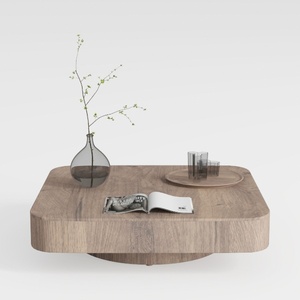
Minimalist Solid Oak Square Floating Coffee Table 3D Model
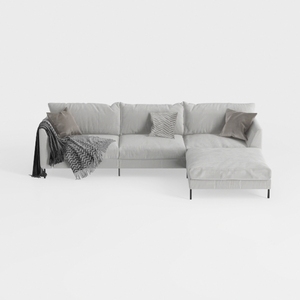
Minimalist Light Gray Fabric L Shape Sectional Sofa 3D Model


Minimalist Black Stone Coffee Table Unique Irregular Shape 3D Model
If you're looking to transform your space, Homestyler is your go-to online design platform. Its user-friendly design tools, detailed 3D renderings, and a wealth of DIY video tutorials make creating your dream home easy and enjoyable, regardless of your experience level!
Design jetzt kostenlos
































