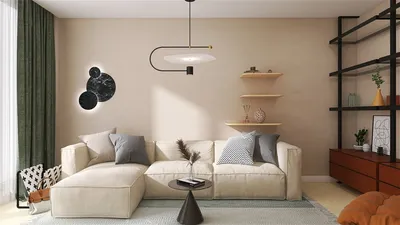


When designing drawers, I approach it with the same consideration as planning circulation: with purpose, rhythm, and careful observation of everyday behaviors. The aim is not merely to increase storage capacity; it is to streamline every interaction—be it reaching, sliding, or glancing—creating a more tranquil and efficient experience. Research from Steelcase indicates that employees can squander about 10%–12% of their day searching for items and navigating through poorly organized environments; in residential spaces, this inefficiency manifests as visual clutter and wasted time rummaging through overflowing drawers. The WELL v2 standard emphasizes that appropriate reach ranges and accessible storage enhance comfort and lessen physical strain, thereby closely associating good ergonomics with reduced musculoskeletal issues. These principles apply beautifully to home drawers when implemented thoughtfully and effectively, perhaps utilizing tools like Homestyler for better spatial planning.
The significance of lighting in drawer design cannot be overstated. The Illuminating Engineering Society (IES) suggests task lighting levels between 300–500 lux for detailed work. When positioned near task areas—such as desks, vanities, or kitchens—make sure the vertical light showcases the contents without causing glare. Implementing soft-close runners and muted hardware also minimizes noise, an aspect often ignored in storage design. Furthermore, color choices for drawer interiors matter; muted blues and neutral tones encourage a sense of calm, making them ideal for interiors or liners that soften visual contrast and lessen cognitive load during quick searches.
Establishing a Drawer Strategy Based on Activities Rather Than Rooms
I begin by mapping out behaviors such as preparation, resetting, displaying, cleaning, repairing, and relaxing. Each activity corresponds to a designated drawer cluster within its respective room, preventing the dispersion of small tools throughout the home. In the kitchen, preparation drawers house essential items like knives, boards, towels, and thermometers within easy reach of the primary work surface. In the bedroom, drawers intended for evening routines store sleep masks, chargers, hand cream, and earplugs in a well-organized tiered system. For multifunctional studios, consider categorizing areas: a 'create' drawer bank for tools and materials, a 'reset' bank for labels and cables, and a 'ship' bank for shipping supplies. If you're experimenting with arrangements, using a room layout tool like Homestyler can assist in visualizing space and accessibility before making cabinetry purchases.
Enhancing Drawer Heights and Depths for Optimal Ergonomics
Ergonomics begins with the items you access the most. Heavier or frequently used belongings should be stored at a height ranging from knee to elbow level, while lighter or less-used items can occupy higher or lower spots. I prefer to keep food-storage containers in drawers that are 10–12 inches deep, utilizing pegboard or spring dividers to store lids vertically, which minimizes noise and simplifies searches. For wardrobes, using shallow drawers of 6–8 inches for accessories, 10–12 inches for knits, and 14 inches or more for bulkier textiles is effective. In office spaces, a 12–15 inch deep drawer with adjustable file rails accommodates both letter and A4-sized documents; arranging files front-to-back mitigates sagging and enhances visibility. Including soft-close, full-extension runners is essential—this ensures comprehensive visibility of the drawer, speeding up retrieval and reducing the likelihood of duplicate purchases.
Creating Layered Interiors: Inserts, Dividers, and Micro-Grid Management
Inside my drawer designs, I incorporate layers. The base layer consists of adjustable dividers or modular trays to establish main categories. Below this, the micro-grid configuration utilizes small cups, knife blocks, or tech pods for organizing tiny items. A floating layer containing a shallow sliding tray allows for easy access to everyday essentials above more permanent storage. In kitchens, bamboo or composite knife inserts prevent edge damage while keeping tools secure. In bathrooms, removable acrylic trays facilitate cleaning. For entry drawers, I recommend a three-compartment layout for storing keys, outgoing items (like returns or shipping), and incoming items (like receipts or notes) to reduce clutter. Subtle labels on the inside top rail can help guide guests and maintain orderly systems.
Enhancing the Drawer Experience Through Lighting
Effective task lighting enhances accuracy, while internal lighting promotes efficiency. I install low-profile LED strips that emit 2700–3000K warmth under counter edges to illuminate drawer fronts, and motion-sensor LEDs inside deeper drawers to reveal contents immediately upon opening. This practice complies with IES recommendations and diminishes shadows in taller cabinets. To avoid hotspots, keep diffusers in place and direct strips toward the front lip for an even distribution of light.
Color and Material Psychology Within Drawers
Choosing the right interior hues can be calming. As highlighted by Verywell Mind, softer blues and neutral tones promote order; I specifically select matte light-gray or pale taupe for most drawer interiors to minimize contrast with stored items. Materials that facilitate quiet sliding can significantly enhance the user experience—options like low-gloss laminate or sealed hardwood with rounded edges work effectively. In closets, felt or recycled PET liners prevent slipping of jewelry and lenses. For kitchens, durable high-pressure laminate or sealed maple withstands the demands of utensils and moisture. Prioritizing FSC-certified woods and low-VOC finishes also contributes to better indoor air quality and sustainability.
Visual Balance and Spatial Ratios
Drawer fronts play a crucial role in establishing the room's rhythm. I typically employ a 1:2 or 2:3 proportion for drawer banks: one shallow drawer on top (for cutlery or accessories), two medium drawers in the center, and one deep drawer at the bottom. This arrangement fosters visual stability while keeping weight distribution low. Aligning reveal lines across the room allows drawers, appliances, and doors to convey a cohesive visual message—creating coherence can enhance the perception of space, making it feel more open and tranquil.
Minimizing Noise Through Acoustic Comfort and Thoughtful Hardware Selection
Sharp edges and loose items can amplify sounds. Implementing silicone bumpers behind pulls, using felt-lined trays for smaller metallic items, and opting for damped hinges and soft-close slides can make a noticeable difference. This is particularly important in home offices where excessive drawer noise can increase stress levels and disrupt concentration. Look for hardware featuring built-in dampers and ensure they are maintained annually, as dust accumulation can impair the functionality of soft-close mechanisms.
Organizing Smartly: Daily, Seasonal, and Archive Categories
I classify everything into three distinct categories. Daily items should reside within ergonomic reach with user-friendly pulls. Seasonal items can be stored in deeper or lower drawers lined with breathable materials (like cedar or lavender for textiles). Archive items belong in higher or less accessible drawers, stored in labeled bins—this could include mementos, instruction manuals, or spare cables. In children's rooms, the daily items are best positioned in lower drawers for ease of access; in shared spaces, using color-coded tabs on tray fronts aids everyone in correctly returning items to their rightful places.
Creative Solutions for Small-Space Drawers
- Utilize toe-kick drawers in kitchens for storing sheet pans and cutting boards.
- Design U-shaped vanity drawers that creatively wrap around plumbing to maximize depth.
- Incorporate over-the-desk pencil drawers that are 1.5–2 inches high to maintain clean surfaces.
- Implement corner drawers with diagonal boxes, offering a more practical solution than lazy Susans.
- Use bed platform drawers sized to fit luggage dimensions so suitcases can slide in with ease.
- Encourage each household member to have dedicated entry bench drawers to prevent mixing of daily carry items.
Prioritizing Hardware, Safety, and Longevity
Select full-extension slides that can handle the heaviest loads you anticipate—whether dealing with pots, files, or linens. In family settings, anti-tip interlocks allow only one deep drawer to be open at any time among tall stacks. Opt for rounded pulls or integrated pulls to minimize snagging. For damp environments, stainless steel or powder-coated hardware can resist corrosion. Schedule annual inspections to tighten pulls, vacuum runners, and check alignment—properly maintained drawers should glide smoothly with minimal effort.
Designing Workflow-Driven Layouts (Consider Testing Before You Build)
Before finalizing millwork decisions, it's essential to simulate movement and clearance. Identify clear zones for drawer opening depths, adjacent seating, and appliance doors. In multi-user kitchen or studio environments, ensure two people can pass by with drawers open without incident; I recommend maintaining at least 42 inches of aisle space in shared prep areas. Employing an interior layout planner like Homestyler enables you to visualize potential conflicts early on, allowing for adjustments in stack heights or drawer swings.
Maintenance Routines That Sustain Order Over Time
Every six months, carry out a 30-minute audit for each room: remove, clean, re-sort, and relabel items. If an item hasn’t seen use in the previous cycle and lacks seasonal significance, consider donating or archiving it. Keeping a spare divider kit and a few trays handy is advisable; systems can shift over time, and small adjustments can keep drawers pleasant to use.
Frequently Asked Questions
Q1. What is the ideal drawer height for cutlery and small tools?
A shallow internal height of 2.5–3.5 inches keeps items visible and organized, while modular inserts can prevent movement.
Q2. How much task lighting should I include near drawers?
Aim for 300–500 lux at the work surface, in accordance with IES recommendations. Ensure light sources are placed to avoid casting shadows into open drawers.
Q3. Are motion-sensor LEDs a worthwhile investment for inside drawers?
Absolutely. They enhance retrieval speed, lessen rummaging time, and ensure gentle access during the night. Opt for 2700–3000K options with diffused strips to avoid glare.
Q4. What depth is ideal for file drawers in a home office?
Drawers of 12–15 inches deep with adjustable rails are perfect for handling both letter and A4 size documents. Full-extension slides provide access to the last file as well.
Q5. What strategies can I use to keep lids and containers organized?
Incorporate vertical dividers or peg systems that allow lids to stand upright. Design one compartment large enough to fit your largest lid to avoid buckling.
Q6. Which materials are recommended for durable kitchen drawer boxes?
Sealed hardwood, such as maple, or high-pressure laminate is excellent for resisting wear and moisture. Adding edge banding and radius edges increases durability and comfort.
Q7. How can I minimize drawer noise in a compact apartment?
Specify soft-close slides, incorporate felt liners for small metallic items, and routinely check for loose hardware. Using silicone bumpers behind pulls can also alleviate noise.
Q8. What is an effective approach for organizing children's drawers?
Position daily-use items in the lowest drawers for easy access; label them with recognizable icons; and group by general categories (like draw, build, dress) rather than overly specific ones to promote independence.
Q9. Is there a recommended ratio for stacking drawer fronts?
An effective sequence includes one shallow drawer on top, followed by two medium drawers, and one deep drawer at the base to create balanced visual harmony while maintaining clear functionality.
Q10. How do color choices inside drawers influence their use?
Choosing muted neutrals or soft blues can minimize visual clutter and help items stand out, promoting quicker selection and reducing cognitive strain.
Q11. What safety measures should I incorporate into tall drawer stacks?
Employing anti-tip interlock systems allows only one deep drawer to be opened at any time, significantly enhancing stability—this is especially critical in family households.
Q12. What dimensions should aisles have where drawers open into walkways?
In spaces accommodating two users, aiming for an aisle width of approximately 42 inches will facilitate smooth passage, even with drawers open, while minimizing potential collisions.
Built on technology originally developed at Autodesk, Homestyler empowers anyone to design beautiful, realistic spaces in minutes. Join over 18 million users who have already discovered a smarter way to plan, visualize, and bring their dream homes to life — all from the comfort of a browser.

Minimalist Japandi Solid Wood Rattan Bookshelf 3D Model

Minimalist Solid Wood Rectangular Furniture Panel 3D Model


Minimalist Japandi Solid Wood Sideboard with Textured Doors 3D Model
Homestyler is an ideal platform for anyone looking to design their home effortlessly. Its user-friendly online design tool, stunning 3D renderings, and rich collection of design projects and video tutorials empower you to create your dream space with confidence and creativity.
立即免费设计
































