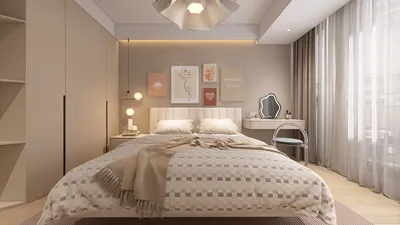


As the future approaches, families grapple with noise, clutter, and fragmented schedules, prompting me to utilize a ground floor plan as a means to optimize daily life. According to AIA studies, households are increasingly prioritizing flexible layouts rather than sheer square footage, which is where a 2500 sq ft ground floor plan can function as a living operating system. I analyze the present much like early programming code—the design must be adaptable for what lies ahead.
spatial reasoning toolkit
Current Zillow trends indicate a growing demand for hybrid living solutions that encompass work, wellness, and social gatherings—all in a single residence. A 2500-square-foot layout provides ample space to manage flow, store necessities, and enable long-term adaptability, particularly when using tools like Homestyler to visualize these arrangements.
Hybrid Great Room + Quiet Spine
Design Principle: An open social center interconnected with a tranquil service spine anticipates hybrid living by accommodating hosting, remote work, and micro-wellness without conflicts in function.
Flow: Entryway → drop zone → great room → kitchen island → office nook → powder room → patio, resembling a clear function call with optional pathways.
Sightlines: The main axis highlights the kitchen and hearth; angled windows softly frame peripheral views to avoid overwhelming visuals while maintaining clarity.
Storage: A pantry wall and hidden credenza serve as cache layers, enabling quick access near the island while providing deeper storage along the spine for seasonal items.
Furniture Integration: An island measuring 10-12 ft, circulation space of 36-42 in, and modular sofas with depths under 40 in set API limitations that ensure smooth movement and readiness for future needs.
Conclusion: This core design is scalable for the next five years—accommodating dinners, virtual meetings, and yoga sessions—without necessitating a complete overhaul of the layout.
save pin
Primary Suite as Regenerative Node
Design Principle: Position the primary suite on the ground floor to ensure it adapts to aging-in-place requirements and secures daily privacy and recovery spaces.
Flow: Great room → vestibule buffer → bedroom → bathroom → wardrobe → pocket garden; this arrangement filters out noise efficiently.
Sightlines: Low, wide windows establish a scenic view; strategic mirror placements amplify daylight while preserving privacy.
Storage: Dual wardrobe banks function as mirrored caches, designed for everyday essentials and less frequent items, reducing search times.
Furniture Fit: A king bed placed centrally with 30-36 in of clearance; floating nightstands; 60 in turning radius in the bathroom to accommodate mobility adaptations.
Conclusion: A serene core that fosters resilience—sleep, dressing, and resetting—ensures the home remains functional even under stress.
save pin
Service Loop: Mud, Laundry, Flex Room
Design Principle: A continuous loop captures clutter at the entry—shoes, gear, linens—preventing chaos from invading the social areas.
Flow: Garage → mudroom → laundry room → flex space → kitchen; this low-latency route processes inputs before they disrupt the main living environment.
Sightlines: Opaque doors to the garage and translucent features to the kitchen create a visual filter that supports quick organization without overwhelming stimuli.
Storage: Vertical lockers, overhead storage, and deep cabinets form a multi-tiered system for efficient classification of fast, medium, and less-used items.
Furniture Fit: A bench depth of 16-18 in; 24 in counters; a foldable table with a height of 30 in; the flex room maintains a 9x9 clear zone for future functionalities.
Conclusion: This service loop strengthens the 2500 sq ft ground floor plan, converting disorder into a manageable system while ensuring daily operations remain smooth.
save pin
Final Takeaway
The ground floor serves as the interface that transforms daily routines into architectural solutions. A thoughtfully designed 2500 sq ft ground floor plan can seamlessly integrate work, care, and community activities without friction. With adaptable living areas and efficient service loops, the home evolves over time. Based on my insights, the most advanced homes of the future won’t simply be larger—they will be more intentional, and tools like Homestyler are crucial in achieving that vision.
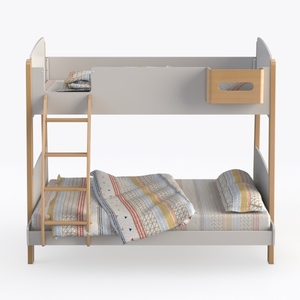
Modern Solid Wood And White Bunk Bed With Boho Bedding 3D Model
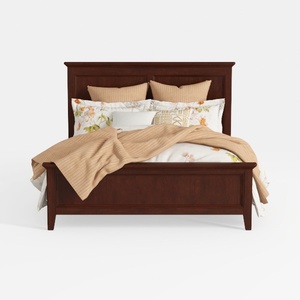

Traditional Walnut Solid Wood Upholstered Bed with Bedding Set 3D Model

Giantex Twin Over Twin Bunk Bed, Solid Wood Bunk B
Homestyler is your go-to online home design platform! With its user-friendly design tool, stunning 3D renderings, and a wealth of inspiring design projects and video tutorials, you can effortlessly create and visualize your dream spaces, regardless of your experience level.
Design Now for FREE
































