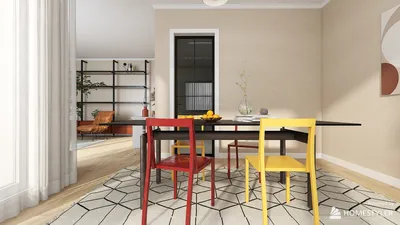


A room measuring 10×12 feet totals 120 square feet, and when it comes to small bedrooms or home offices of this dimension, an optimal cooling capacity generally falls between 0.75 and 1.0 tons (9,000 to 12,000 BTU/h). The specific needs depend on various factors including sun exposure, occupancy, and the insulation quality of the space. Typically, professionals start with a guideline of 20 to 30 BTU per square foot for homes with standard ceiling heights and insulation, estimating a 10×12 room to require approximately 2,400 to 3,600 BTU/h before making specific adjustments. However, achieving true comfort involves more than just measuring area; factors such as solar gain, internal heat loads, and airflow play crucial roles. Using tools like Homestyler can help visualize and calculate these aspects effectively.
Standards and scholarly research advocate for a more detailed understanding of thermal comfort. The WELL v2 Thermal Comfort feature emphasizes considerations such as operative temperature, humidity, air speed, and individual control beyond just a single BTU figure. This highlights that the comfort of occupants is sensitive to a variety of elements, not merely the size of the cooling system (refer to WELL v2 Thermal Comfort guidance at wellcertified.com). Concurrently, workplace studies reveal that thermal comfort can significantly influence performance levels; for example, research from Steelcase indicates that both acoustic and thermal distractions are among major barriers to productive knowledge work. This underlines the importance of precise sizing and even air distribution, which is as crucial as sheer capacity.
Fundamental Sizing Considerations for a 10×12 Room
• Base load: Initiate the calculation using 20–30 BTU per square foot. For a room of 120 square feet, this leads to a requirement of 2,400 to 3,600 BTU/h.
• Ceiling height: For ceilings that exceed 8 to 9 feet, adjust the estimation proportionally based on volume. For example, a 10-foot ceiling (approximately 11% greater volume than a 9-foot ceiling) would require an additional roughly 10%.
• Orientation and windows: Rooms facing south or west with large, unshaded windows can necessitate an increase of 1,000 to 2,000 BTU/h in warmer climates. Using high-SHGC glass combined with minimal shading can further exacerbate this need.
• Occupancy: For bedrooms or home offices, account for an additional ~400 BTU/h for each extra occupant beyond the first.
• Devices and lighting: Laptops typically contribute around 200 to 300 BTU/h; gaming PCs or multiple monitors can add between 400 to 800 BTU/h. Switch from high-watt incandescent or halogen lamps to LED options to lower internal heat gain.
• Building envelope and air leaks: Insufficient insulation and leaks can increase overall loads by 10 to 20%.
Quick Suggestions Based on Situations
• For a shaded bedroom with strong insulation, accommodating a single person using LED lights, a cooling capacity of 0.75 ton (9,000 BTU/h) typically suffices.
• A sunlit home office with a west-facing window, two monitors, and afternoon usage should utilize a recommended capacity of 1.0 ton (12,000 BTU/h).
• In rooms with high ceilings (10-11 feet), minimal shading, housing two occupants, and heavy electronic usage such as gaming PCs, consider a capacity of 1.0 ton and verify this with a proper load calculation; in hotter areas, 1.0 ton with a variable speed option is preferred.
Humidity, Airflow, and Comfort Levels
While capacity is a significant factor, it only paints part of the picture. Maintaining indoor humidity between 30 to 60% RH is essential for perceived comfort and reducing mold risk; adhering to this range is often emphasized in healthy building guidelines alongside WELL v2. Overly large units may cycle frequently, inadequately removing moisture and leaving the environment uncomfortably damp. A properly sized or variable-capacity unit runs longer on lower speeds, contributing to better moisture removal and even temperature distribution. Ensuring balanced supply and return placements can help avoid temperature stratification, particularly at window walls.
Impact of Lighting on Heat Loads and Color Selection
Lighting choices directly influence cooling needs. As per IES design practices, high-efficacy LED systems markedly reduce heat output compared to older lamp models. When upgrading, it’s advisable to opt for LEDs rated between 2700 to 3500K for bedrooms, and from 3500 to 4000K for working environments, ensuring they are shielded appropriately to minimize glare that can create a sensation of increased heat. Reduced wattage leads to fewer BTUs introduced into the room, enabling you to remain closer to the 0.75-ton cooling requirement without losing brightness.
Understanding Ergonomics and Usage Patterns
The usage patterns of the room significantly impact comfort levels. For instance, a home office where individuals spend extended periods with multiple electronic devices will feel warmer than a bedroom typically utilized at night. For those who frequently engage in video calls or operate compact servers, internal loads can surge. It is prudent to account for an additional 500 to 1,000 BTU/h to the baseline requirement, favoring units with refined fan and temperature controls to prevent overcooling during downtime.
Layout Considerations for Effective Cooling
Planning airflow paths is critical. Avoid positioning the indoor unit directly opposite the bed at head height; instead, channel supply air across the longer dimension (12 feet) for enhanced mixing. In a ducted setup, place one strategically located supply near the window and a return on the opposite wall. If you’re exploring layout changes or furniture arrangements that could potentially obstruct airflow, tools such as Homestyler can visually aid in assessing throw paths and heat sources before making firm decisions.
Material Choices and Solar Management
Incorporate low-SHGC glass or apply exterior shading wherever viable. Inside, opt for light-colored, matte window treatments that reflect solar heat while minimizing glare. Thermal curtains, cellular shades, or precisely fitted roller shades can help reduce peak cooling demand by approximately 500 to 1,500 BTU/h in rooms with high sun exposure. Select low-pile, light-toned flooring to reduce heat absorption, avoiding darker, heavier materials near window walls if overheating is an issue during late afternoon.
Acoustic Considerations and Unit Selection
In a 10×12 space that doubles as a workspace, acoustic comfort is paramount. Mini-split heat pumps and high-quality window AC systems featuring inverter compressors excel in maintaining lower decibel levels during partial loads while also achieving precise temperature control. Research by Steelcase underscores that noise disturbances can severely hinder concentration—thus, quieter, steady operation will generally feel more comfortable than a louder system cycling on and off, even if both maintain the same temperature setting.
Energy Efficiency Tips for Smaller Spaces
• Seal gaps under doors and around wall penetrations to reduce hot air intrusion.
• Install a ceiling fan running at low speeds to increase air movement by 0.2 to 0.4 m/s; this can result in a perceived temperature drop of around 2 to 4°F, easing the load on air conditioning.
• Schedule pre-cooling prior to peak sun hours if the room faces west.
• Regularly check and clean filters; adequate airflow is crucial for effective coil heat exchange and humidity management.
• For smart monitoring, utilize a thermostat or remote sensor positioned away from direct sun and air supply vents.
Choosing Between 0.75 and 1.0 Ton
Select 0.75 ton (9,000 BTU/h) when: the room is shaded, well-insulated, has few electronic devices, and accommodates one person. Opt for 1.0 ton (12,000 BTU/h) if: the room experiences significant afternoon sun, houses two or more occupants, features high ceilings, or contains heat-generating electronics. If uncertain, an inverter mini-split with a flexible modulation range (such as 3,000 to 12,000 BTU/h) can effectively manage variations in day-to-day temperatures without the downsides associated with oversizing.
Frequently Asked Questions (FAQ)
Calculate the area by multiplying the size of the room by 20 to 30 BTU/ft²: 120 × 20 to 30 = 2,400 to 3,600 BTU/h, then adjust for factors such as sunlight, occupancy, and equipment usage. Most calculations end up around 9,000 to 12,000 BTU/h when real-world elements are factored in.
No, oversized units can lead to short cycling, resulting in inadequate dehumidification, making the atmosphere feel clammy. For rooms that are shaded and possess low internal loads, 0.75 ton is generally the more comfortable choice.
Increase the capacity by approximately 10 to 20% if transitioning from an 8 to 9 foot baseline. A 10-foot ceiling often justifies an upgrade from 0.75 ton to a versatile 1.0-ton inverter system.
Absolutely. Large, unshaded west-facing windows can add between 1,000 and 2,000 BTU/h. To control peak loads, it’s advisable to add external shading or select low-SHGC window treatments.
Both cooling capacity and efficiency are important; however, proper capacity must be prioritized initially. After achieving that, adopt a high-efficiency, variable-speed unit as it will operate at lower loads, regulate humidity better, and generate less noise.
Certainly. LEDs generate significantly less heat compared to incandescent or halogen bulbs. Transitioning to LED lighting can reduce internal heat gains by hundreds of BTU/h, which supports a 0.75-ton unit in performing as effectively as a larger unit.
Position the air supply on the shorter wall, blowing across the 12-foot length of the room while ensuring that airflow does not direct straight at the bed or desk. Ensure there’s a clear return path, avoiding any obstructions with tall furniture.
Choose either an inverter mini-split or a premium window unit with low noise ratings. Consistent and quiet operation promotes better concentration and can enhance the perceived comfort of the space.
No. Fans do not lower air temperature; they increase the effects of convective and evaporative cooling. They can extend comfort levels by around 2 to 4°F, allowing for a higher AC setpoint.
In humid environments or if utilizing an oversized AC unit, introducing a dehumidifier can help stabilize humidity levels between 40% and 55%, enhancing comfort without the need for overcooling.



Homestyler is your go-to online home design platform, perfect for every design enthusiast. With its user-friendly design tool, stunning 3D renderings, and rich library of DIY tutorials, transforming your living space has never been easier. Start creating inspiring designs today!
تصميم الآن مجانا
































