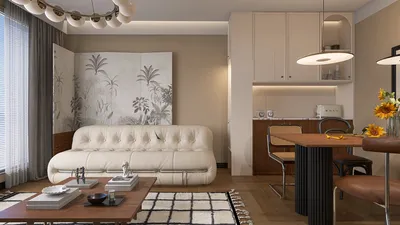


Designing a compact kitchen involves a meticulous approach to optimizing every inch of available space. I emphasize selecting hobs that incorporate precise control, safety features, and easy maintenance without significantly increasing costs. Effective space planning is equally critical; adjustments in work triangles and reduced depths can greatly influence heat management, ventilation, and overall workflow. Numerous studies show that carefully considered layouts and ergonomic reach zones enhance everyday efficiency. Notably, the WELL v2 standard advocates for reducing physical strain by aligning cooking surfaces within comfortable reach zones. Additionally, insights from Gensler reveal that well-organized environments that promote task clarity effectively boost productivity—indicating that superior layouts and functional tools can lead to marked improvements in kitchen performance.
When it comes to lighting and control, these factors are paramount for both safety and cooking precision. The Illuminating Engineering Society suggests that task lighting should range between 300-500 lux for food preparation and cooking, with cooler to neutral white color temperatures facilitating better visual clarity. Furthermore, from a behavioral psychology perspective, colors influence perception; for instance, warm tones can enhance appetite, while cooler shades can assist with concentration—especially relevant when situating a hob next to reflective surfaces like backsplashes or cabinetry.
Understanding costs is essential for making informed choices. For compact spaces, such as studios or small kitchens, I categorize options into three categories: portable single or dual burners for extremely tight areas, 24-30 inch built-in hobs designed for standard compact kitchens, and modular domino units that allow for flexible configurations. Induction hobs in the 24-30 inch range typically offer the best value when prioritizing heat control, safety, and efficiency, especially beneficial for young families or rental situations where easy cleaning is a significant consideration.
Price Ranges by Hob Type (Small-Space Focus)
I categorize hobs by their fuel source and design, then analyze their performance along with their long-term costs.
- Typical price: $60–$300 (single), $150–$500 (dual)
- Pros: Quick boiling, cool-to-touch surfaces, easy to store; perfect for renters.
- Cons: Dual models may have limited power sharing; induction-ready cookware is necessary.
- Best for: Studio apartments, temporary cooking setups, or supplementary burners.
- Typical price: $400–$1,500
- Pros: High efficiency, precise simmer capabilities, child safety locks, quick cleanup; generates less ambient heat—ideal for compact kitchens.
- Cons: Requires compatible cookware and may necessitate a dedicated circuit.
- Best for: Compact kitchens prioritizing safety and control.
- Typical price: $250–$1,200
- Pros: Visual flame feedback, compatibility with wide range pans, strong options for wok cooking at higher BTUs.
- Cons: Conducts ambient heat, and combustion byproducts necessitate robust ventilation; cleaning grates and burners takes time.
- Best for: Users who prefer flame control and frequent high-heat cooking.
- Typical price: $250–$900
- Pros: Smooth surfaces, cooking compatibility with various cookware, often less expensive than induction.
- Cons: Slower to respond than induction; tends to retain more residual heat.
- Best for: Budget-conscious upgrades where induction is not imperative.
- Typical price: $350–$1,200 per module
- Pros: Configurable combination (induction + gas), adaptable to narrow countertops.
- Cons: Costs increase with additional modules; requires precise cutout and ventilation planning.
- Best for: Custom galley layouts, chefs looking for specialized cooking zones.
What Really Drives Cost
- Power and zones: The number of burners and wattage/BTU raise both prices and electrical/ventilation requirements.
- Safety and control: Features such as child locks, indications of residual heat, automatic pan detection, and fine low-heat simmer functions contribute to cost yet significantly enhance usability.
- Surface material and finishes: Frameless glass ceramics provide a sleek look and are easy to clean; cast iron supports for gas options present a premium feel but require upkeep.
- Integration: Flush-mount designs, downdraft ventilation, and smart technology connections complicate the installation process.
Small-Space Layout Priorities
In snug kitchens, the hob must be balanced against prep areas, sinks, and storage. I maintain a 1:1.5 to 1:2 ratio between the width of the hob and the adjacent clear prep space to ensure a smooth workflow. For galley kitchens, a 24-26 inch hob on the cooking side, along with a seamless 30-36 inch prep area, allows for continuous chopping and sautéing activities. If you are trialing different configurations, a lightweight interior layout tool can assist in visualizing clearances, landing zones, and ventilation pathways before making any permanent alterations.
Ventilation, Heat, and Air Quality
Compact spaces often exacerbate steam, grease, and odors. In natural gas setups, effective capture is essential; opt for a hood that matches the width of the hob and offers strong efficiency with low noise ratings. For induction or radiant heating, slightly lower CFM is often sufficient due to reduced heat emission, yet it is crucial to prioritize baffle filters and broad canopy coverage. In seriously limited spaces, ensure proper make-up air to prevent backdraft issues—particularly critical during retrofits.
Ergonomics and Safety in Tight Footprints
- Reach zones: Keep primary controls easily accessible within 16–20 inches of the user’s standing position to minimize overreaching; position heavier cookware at waist to mid-chest heights to lessen strain, in accordance with human factors guidance from the WELL v2 standard.
- Control configuration: Front-edge or angled side controls can reduce the need for cross-reaching over hot zones. Induction’s quick response and pan detection features mitigate risks associated with unattended heat.
- Lighting: Aim to provide 300-500 lux task lighting over the hob area, utilizing diffusers to reduce glare and hotspots as recommended by IES task guidelines.
- Safety for children and pets: Opt for induction or electric models featuring lockouts and indicators for residual heat; maintain a buffer of 6-8 inches between the hob edge and walkways.
Energy, Noise, and Acoustic Comfort
Induction hobs are more efficient, converting more energy directly to cookware and keeping the environment cooler—a distinct advantage in micro-kitchens. Noise from ventilation hoods can lead to auditory fatigue; therefore, select models with variable speeds and extensive capture areas, allowing you to operate them at lower settings. Utilize soft, easy-to-clean materials (matte backsplashes, silicone feet on cookware racks) to dampen noise without compromising hygiene.
Material Choices and Cleaning
- Glass-ceramic surfaces: Quick to wipe clean; use a scraper for sugar spills to prevent etching.
- Stainless steel surfaces around gas burners: Opt for rounded transitions and removable caps for simpler degreasing.
- Knobs versus touch controls: Touch-sensitive controls simplify cleaning on induction and radiant surfaces; sealed knobs on gas prevent food particles from entering.
Budget Tiers and Suggested Specifications
- Portable induction or compact two-zone radiant hobs.
- Minimum necessities: Child lock, 9+ power settings, timer functions for each zone.
- Ideal users: Renters, secondary cooktops, micro-kitchen setups.
- 24-30 inch induction or gas hobs with solid safety and simmer control features.
- Essential requirements: A dedicated 2.5–3.7 kW (or 9–12k BTU) main burner, indicators for residual heat, and booster functions for quick boiling.
- Multi-zone induction with the ability to combine zones, or high-BTU gas with continuous grate systems.
- Minimum specs: Auto pan detection, low-range simmer stability, and a robust ventilation plan.
Installation Notes for Small Kitchens
- Electrical requirements: Confirm circuit capacity for induction (typically 20-30A for 24-30 inch units).
- Clearance specifications: Adhere to manufacturer’s minimum distance from side walls and backsplashes; in tight galley setups, a slim heat shield can protect edges.
- Counter depth considerations: 24 inch counters benefit from shallow-depth hobs (<50 cm) to maintain rear clearance for plugs and ventilation systems.
- Future-proofing strategies: Allow for access to service in base cabinets; design for cord routing and shut-off valves that are reachable without drawer removal.
Trends for Compact Kitchens in 2024–2025
- Rise of induction: Enhanced functions, flexible zone mapping, and pan size detection are now standard features in mid-range models.
- Integrated ventilation: Slim downdraft or central grill extractors are becoming available in 24-30 inch sizes—pay attention to installation and ducting requirements.
- Streamlined controls: Capacitive sliders and haptic feedback are replacing numerous physical knobs, making cleaning easier.
- Matte textures: Anti-glare glass-ceramics pair effectively with 300-500 lux task lighting to minimize perceived glare.
Quick Selection Matrix
- For tiny studios without ducted ventilation: Utilize a portable or 24 inch induction hob accompanied by a recirculating hood with high-quality filters.
- For galley cooks who frequently sear: Choose a 24-30 inch gas hob with a deep canopy hood and baffle filters; allow for side clearances.
- For families with children: Opt for a 24-30 inch induction hob featuring lockouts and rapid cool-down features; opt for rounded edge profiles.
- For varied cooking styles in a narrow space: Consider a domino setup (combining induction + gas) to balance simmering and wok cooking.
FAQ
A 24-26 inch hob is sufficient for maintaining an adequate prep area on either side. Ideally, I suggest at least 18-24 inches of clear counter space adjacent to the primary cooking area to guarantee a safe landing zone.
Yes, most users would benefit. Faster heating, superior low-simmer control, a cooler environment, and easier cleanup lead to less daily friction. In the long run, the efficiency and safety attributes typically outweigh the initial investment.
Hood width should match hob width and a deep capture area and baffle filters should be prioritized. In compact kitchens, select high-efficiency models that can function at lower speeds to minimize noise while ensuring proper air quality.
Yes, for pots with ferromagnetic bases. If a magnet sticks firmly to the pot’s bottom, it will work with induction. Many stainless steel and cast iron cookware options qualify; make sure to verify before buying.
They are indeed suitable for very small homes or rental properties. Look for models that boast stable bases, overheat protection, and a minimum of 1400–1800W (single) for effective daily cooking needs.
Aim for 300-500 lux task lighting that has a neutral to cool white color (around 3500-4000K). Incorporate shields or diffusers to limit glare caused by shiny tiles or glass-ceramic surfaces.
It’s vital to maintain a 6-8 inch gap from the counter edge, keep tall storage away from immediate sides, and ensure at least one side of the hob remains a clear landing area.
Induction models should include child locks, auto pan detection, and indicators for residual heat. Front-edge temperatures remain lower compared to gas or radiant options during use, and the surfaces cool off quicker afterwards.
Occasionally. Many 24-30 inch models necessitate a dedicated circuit (often 20-30A). If your home's panel capacity is limited, consider starting with a high-quality portable induction hot plate while planning for an electrical upgrade.
Yes, warm neutral colors near the splash zone can enhance the warmth and appeal of the space, while matte finishes in cooler shades control glare and visual clutter—especially critical in tight kitchens.
Not if you require flexibility. Pairing a two-zone induction hob with a gas wok module allows for diverse cooking methods without committing to a full 30 inch footprint.
To achieve a balance of performance, I typically allocate 60-70% of space for the hob and 30-40% for ventilation in compact kitchens, ensuring that the hood design complements the setup, not detracts from it.
Homestyler is your go-to online home design platform! With its user-friendly design tool, stunning 3D renderings, and a wealth of inspiring design projects and video tutorials, you can effortlessly create your dream space. Transform your ideas into reality today!
Desain sekarang Gratis
































