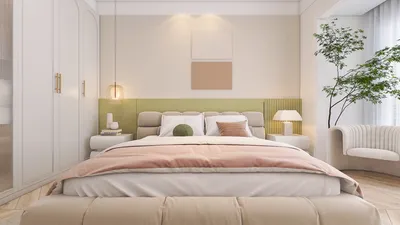


I have created numerous compact bedroom designs, and the most inviting spaces invariably adhere to a well-defined rationale: selecting appropriately sized furniture, optimizing movement flow, and adjusting light, color, and sound to facilitate restful sleep. In limited spaces, every inch counts, as do the quality of light and noise levels.
Prioritizing sleep quality is crucial. The WELL v2 guidelines suggest creating quiet sleeping environments with background noise around 35 dBA to support restorative sleep, while the Illuminating Engineering Society (IES) recommends using soft, layered lighting, ensuring bedside brightness falls within the 150–300 lux range to prevent glare and eye strain. Additionally, color influences restfulness; a review from Verywell Mind indicates that muted blues and greens are often linked to calming physiological effects, in contrast to bright reds.
Optimal Bed Selections for Maximum Comfort
Begin with the bed, which occupies the most space in the bedroom. For primary sleepers, a full-sized bed (54" × 75") typically fits well in smaller rooms, while a queen (60" × 80") can be an option if there is a 24–30" clearance on the main side. Opting for a low-profile platform bed frame minimizes visual bulk and enhances the room's sense of space. Soft, upholstered headboards made from sound-absorbing materials can improve acoustic comfort without taking up additional space. If storage is limited, consider under-bed drawers with soft-close mechanisms to reduce noise and be gentler on your knees.
Versatile Nightstands and Bedside Solutions
In intimate bedrooms, every piece of furniture should maximize its footprint. I recommend nightstands that are 16–20" wide, featuring a single drawer and an open shelf. Wall-mounted nightstands or narrow consoles can help maintain floor space, while a pull-out tray can serve as an additional work surface. To minimize visual clutter, manage charging cables through grommets, and select light fixtures with warm dimming capabilities (2700–3000K) to maintain a soothing light glow in the evening. Task lighting with a 30–40° beam angle can focus on reading materials without overwhelming the entire room with light.
Wardrobe Alternatives: Sliding Doors and Hidden Storage
In the absence of traditional closets, a wardrobe with sliding doors can save space. Choose designs that incorporate double hanging sections for shirts and jackets, along with a separate taller area suitable for dresses or coats, as well as a stack of shallow drawers for folded garments. Open rails hidden by a curtain can offer flexibility, with the fabric providing additional sound absorption while adding a touch of color. Utilize above-door shelving to make use of otherwise wasted space, ensuring uniform depth to maintain visual coherence.
Dressers, Chests, and Vertical Storage Strategies
Adopt a vertical approach. A 5-drawer chest can often accommodate space better than a wide dresser in smaller areas, preserving pathways and improving ergonomic reach. It is ideal to position it with a clear approach of 30" and access of 15" to the top drawer. Mirrored surfaces can reflect daylight effectively, but it's best to avoid high-gloss materials facing the bed to minimize disruptive reflections during the night.
Functional Seating: Benches, Ottomans, and Built-Ins
A slender upholstered bench at the foot of the bed (42–48" in length) can serve as a convenient spot for clothing or putting on shoes. Storage ottomans can function as both seating and linen storage solutions. For limited floor space, creating a built-in niche with soft cushions under a window can become a cozy reading area, ensuring to use medium-density foam and breathable upholstery for temperature regulation.
Foldaway desks and Dual-purpose Vanities
If a workspace or vanity area is needed within the bedroom, a wall-mounted drop-leaf desk at a height of 28–29" offers an efficient solution. Pair this with a lightweight chair that tucks in fully, and consider using a pivot mirror to switch effortlessly between work and personal grooming. It is essential to keep task lighting within the 300–500 lux range and at a color temperature of around 3000–3500K to create an inviting atmosphere without resorting to harsh office lighting.
Soft Dividers and Visual Space Planning
In studio-style bedrooms, furniture can effectively create zones in the absence of walls. A modest console or bookcase at the foot of the bed can offer a psychological boundary while keeping lines of sight open. Rugs can define the sleeping area—placing a 5' × 8' rug perpendicular to the bed can make a narrow space feel wider. Adhering to a limited color palette of three tones—calm base hues, an accent for support, and a natural material tone—can also enhance the overall design aesthetics.
Lighting, Color, and Acoustics for Optimal Comfort
Incorporating layers of ambient, task, and accent lighting is critical. Ceiling lighting should provide a soft ambient glow, bedside lamps should cater to task lighting needs, and dimmable coves or small uplights can enrich the atmosphere. It’s important to keep evening lighting below 300 lux in the sleeping area while ensuring a warm color range of 2700–3000K. Colors such as muted blue-gray, soft sage, and warm neutrals are typically seen as restful. Soft headboards, plush rugs, lined drapes, and upholstered furniture all serve as effective sound absorbers. Blackout curtains combined with light-filtering sheers can control light well throughout day and night while avoiding harsh shifts.
Understanding Spatial Ratios and Movement Flow
Before investing in new furniture, plan and measure clearances carefully. Maintain 24–30" beside the bed, 20–24" in front of dressers, and 30–36" for entry doors. Keep taller furnishings along one wall to cultivate a balanced rhythm within the room. To explore different bed sizes or dresser formats, utilizing a room layout tool, such as Homestyler, to simulate configurations can provide insight into space circulation.
Materials, Sustainability, and Air Quality Management
Compact bedrooms can magnify off-gassing issues. Opt for finishes with low VOCs, solid wood or premium veneer, and Greenguard-certified foams wherever feasible. Natural fabrics such as cotton, linen, and wool are superior at managing humidity and temperature compared to synthetic options. Hardware choices matter too; soft-close fittings and rounded edges can minimize nighttime disturbances and prevent painful impacts in tight spaces.
Creating Storage Without Visual Clutter
Closed cabinetry contributes to a serene atmosphere. Use floating shelves sparingly and align them to a common datum point to minimize visual distraction. If space is limited on one side, restrict under-bed drawers to that side. Inside drawers, integrating modular dividers can streamline organization, reducing rummaging time and cognitive strain, thus enhancing nightly rituals.
Trends for Compact Bedrooms through 2024–2025
Trends include low-profile upholstered beds in subtle neutrals, integrated headboard lighting with concealed touch-dimmers, slim wall-mounted nightstands, and flexible wall systems featuring rails, hooks, and slender shelves. A combination of warm wood tones with understated metals like brushed nickel or bronze cultivates a welcoming palette. Layered window treatments and acoustic rugs continue to play crucial roles in ensuring comfort.
Effective Layouts for Small Spaces
In a rectangular bedroom, position the bed along the longest unbroken wall to maximize bedside accessibility. For square rooms, centering the bed across from the entrance fosters balanced pathways. When a window compromises headboard placement, opting for a low bed beneath the window, complemented with blackout shades and a soft headboard, maintains comfort while allowing natural light to enter.
Frequently Asked Questions
First and foremost, measure your space. If switching to a queen bed reduces walkway space on both sides, consider a full size while ensuring 24" of clearance on at least one side for nightly accessibility. Balance comfort with circulation to reap the benefits every morning.
Maintain bedside task lighting around 150–300 lux with a warm temperature range of 2700–3000K. Utilize dimmers to gradually reduce brightness, avoiding cold, blue-toned light before bedtime.
Absolutely, as long as the drawer fronts can open without encroaching on passageways. Soft-close hardware and low-profile handles help minimize accidental bumps and noise.
Introduce soft surfaces such as upholstered headboards, thick rugs, lined drapes, and fabric storage. Aim for nocturnal background noise around 35 dBA, aligning with optimal conditions for restorative sleep.
Opt for muted blues, sage greens, and warm neutrals. Desaturated tones provide a calming effect and pair nicely with gentle lighting.
Employ a wall-mounted drop-leaf desk combined with a compact chair that can be tucked away entirely. Keep task lighting within a warm-neutral spectrum (3000–3500K) and store work materials discretely once the day is done.
Limit open shelving to one wall, align them along one reference line, and use enclosed storage for smaller items. Consistency in materials and colors creates a calming visual flow.
Utilize blackout curtains layered over sheer fabrics. This combination manages daylight exposure effectively while preventing harsh light transitions during nighttime.
Mirrors can enhance the perception of space and reflect daylight effectively. Position them perpendicular to the bed to prevent disruptive reflections at night.
Aim for 24–30" clear space beside the bed and at least 20–24" clearance in front of storage items. When considering layouts, leveraging a digital layout tool like Homestyler can help avoid costly purchasing mistakes.


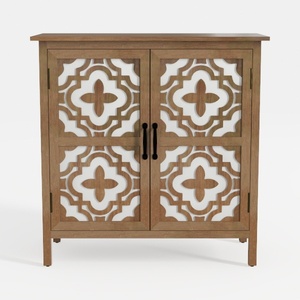
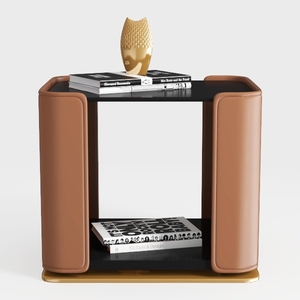
Homestyler is your go-to online home design platform! With a user-friendly design tool, stunning 3D renderings, and a wealth of DIY video tutorials, you can effortlessly create and visualize your dream spaces. Start your home design journey today!
立即免费设计
































