

Compact kitchens can heat up quickly. The combination of simmering pots, preheating ovens, and various countertop appliances can raise the ambient temperature by 5–10°F during peak cooking periods. This increase in heat and humidity not only impacts comfort but also affects food safety and performance. Implementing a targeted cooling strategy helps maintain stable preparation zones, enhances air quality, and protects finishes, making tools like Homestyler essential for planning these spaces effectively.
In small kitchens, the primary thermal load is driven more by appliances than by floor area. Research indicates that thermal discomfort can decrease task performance by up to 9% in high-temperature environments, which corresponds with accuracy and focus during heat-stressed cooking. WELL v2 standards suggest keeping operative temperatures between 68–75°F (20–24°C) for thermal comfort in mixed-use spaces, while relative humidity should be maintained between 30–60% to minimize microbial growth and odors. These guidelines serve as crucial benchmarks for sizing and controlling small air conditioning units. For optimizing ergonomics and layout, utilize the WELL v2 thermal comfort parameters alongside specific ventilation strategies, with Homestyler also offering tools to visualize these elements in your kitchen design.
Understanding Heat Loads in Compact Kitchens
To begin, I conduct a rapid heat load assessment, considering factors such as cooktop output (BTU), oven cycle time, refrigerator compressor cycles, lighting wattage, occupancy, and thermal envelope gains. In compact kitchen spaces ranging from 60 to 120 square feet, the total sensible load typically falls between 3,000 and 7,000 BTU/hr during active cooking, with gas ranges yielding higher peaks. For example, using electric induction generates less heat compared to gas; replacing a gas burner session producing 12,000 BTUs with induction can reduce the rise in room temperature significantly. Understanding these numbers is essential for correctly sizing an AC unit without overestimating capacity.
Selecting the Ideal Small Air Conditioning Type
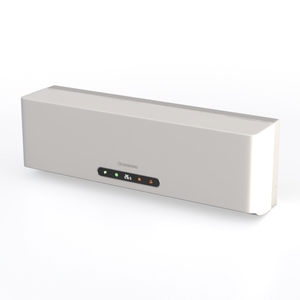
Mini-split systems are my preferred choice for small kitchens. A 6,000 to 9,000 BTU inverter mini-split provides precise control, minimal noise, and effective dehumidification. Positioning wall-mounted units away from grease sources helps maintain coil cleanliness and airflow. If wall space is limited, a slim ducted mini-split that serves both the kitchen and adjoining dining area can help maintain consistent thermal gradients throughout the space.
Through-the-wall units are a viable option where access to an exterior wall is available. It is important to choose units with washable metal filters, treated coils, and slide-out chassis for easier maintenance. Look for units that meet EER/SEER ratings according to local codes and opt for adjustable fan speeds to manage airflow effectively whether simmering or searing.
Portable air conditioners are best utilized as temporary measures. Single-hose models draw in air from the home's interior, which reduces efficiency, whereas dual-hose units perform better overall. To ensure optimal functionality, maintain short exhaust runs, seal windows properly, and utilize the Dry mode during humid months to stabilize relative humidity without excessive cooling.
Ventilation, Makeup Air, and Dehumidification Coordination
Effective cooling needs to work hand in hand with exhaust systems. An appropriately sized range hood plays a crucial role (capture efficiency is often more important than nominal CFM) in diminishing heat, grease, and odors. This is particularly vital in small apartments; coordinating hood exhaust with makeup air prevents negative pressure that could reverse gas appliance exhausts. During transitional seasonal periods, keeping the Dry mode active helps maintain humidity levels between 40–55%, aligning with WELL v2 thermal comfort guidelines and minimizing the risk of mold development inside cabinetry and behind backsplash surfaces.
The Interaction of Lighting and Thermal Environment
Lighting can contribute to temperature increases. I opt for LED task lighting set at 2700–3000K to provide a warm ambiance without adding excessive heat, and ensure a CRI rating of 90+ for accurate color display of food. Following IES recommendations, task illuminance levels at counter surfaces should be around 300–500 lux; transitioning from halogen to LED fixtures can reduce lighting heat output by 50-75%, lowering overall AC demand and maintaining more stable temperatures in preparation areas.
Acoustic Considerations and Workflow in the Kitchen
Acoustics in the kitchen are important for both conversation and concentration. Mini-split systems generally operate at sound levels of 19-26 dB(A) on low settings, which is considerably quieter compared to many portable units. When I design for small living spaces, I ensure to separate the indoor unit from resonant cabinetry, incorporate softer materials (like rugs and upholstered seating), and keep the AC fan on Auto during food plating to foster a serene environment. Quieter systems also alleviate perceived thermal discomfort since noise can heighten stress during high-heat cooking activities.
Material Selection, Cleanability, and Durability
The presence of grease-laden air can compromise the longevity of kitchen equipment. I prefer systems that feature hydrophilic fins, removable louver assemblies, and washable metal mesh prefilters that are designed for regular cleaning. Additionally, pairing these systems with non-porous, heat-resistant finishes such as quartz countertops, high-pressure laminates, and semi-gloss paints can effectively resist condensation buildup near air diffusers. In terms of sustainability, inverter systems are advantageous as they adjust energy consumption to meet actual loads, rather than cycling on and off rigidly.
Color Psychology in Relation to Thermal Comfort
Colors can affect our perception of comfort. Cool tones such as blue and green shades, alongside light neutral colors, can help reduce the sensation of warmth while still appealing to the appetite. Insights from Verywell Mind about color psychology note that blue can diminish appetite; therefore, I balance cooler backgrounds with warmer accents (like wood and brass) to keep the kitchen lively without visually raising the temperature of the space.
Micro-Zoning and Spatial Ratios
In compact kitchen layouts, I apply a micro-zoning strategy: cooler temperatures are maintained in prep and sink areas more than in cooking zones, allowing the hood to handle peak heat generated at the cooktop. A subtle temperature gradient of 1–2°F provides both comfort and energy efficiency. Achieving visual harmony—aligning the AC unit with the rhythm of cabinetry—enhances both aesthetics and functionality.
Smart Temperature Controls and Integration
I prefer inverter mini-splits equipped with sensors for temperature and humidity, night setbacks, and weekly scheduling capabilities. Positioning the thermostat away from heat sources (such as oven doors and sun-exposed windows) is advisable. During cooking spikes, activating a temporary boost mode for 20-30 minutes can help manage heat levels effectively, then reverting to a lower setpoint prevents overcooling afterward.
Guidelines for Sizing Compact Kitchens
For kitchens measuring between 70 and 120 square feet and with moderate appliance use, a 6,000 to 9,000 BTU capacity is typically sufficient, provided that ventilation is properly managed. If the gas range is heavily used or the kitchen opens into a sunlit living area, opting for 9,000 to 12,000 BTUs with inverter capabilities will help avoid short cycling. Targeting relative humidity at 40-55% while ensuring approximately 300-500 lux at prep surfaces minimizes added thermal loads from lighting updates.
Key Installation and Maintenance Considerations
Ensure proper routing of condensate away from cabinetry. Seal any wall penetrations to prevent warm air leaks, and maintain clearances (12-18 inches above and around wall-mounted heads). Monthly filter cleaning during heavy cooking seasons is essential, as is scheduling annual coil maintenance. Aligning AC settings with hood exhaust—running the hood several minutes before and after cooking while the AC maintains its setpoint—ensures optimal performance.
Case Study: A Cozy Loft Galley
In a compact 90 square foot loft galley, switching from halogen lighting to LED fixtures successfully reduced surface temperatures by approximately 2°F near the backsplash. A 7,000 BTU inverter mini-split, positioned opposite the range, combined with a subtle 300 CFM hood, stabilized the indoor environment at 73°F with 48% relative humidity during meal preparation. The client reported enhanced focus during prep work and reduced condensation on upper cabinets, demonstrating effective application of the principles at play.
Frequently Asked Questions
For most compact kitchens within the 70 to 120 square foot range, a cooling capacity of 6,000 to 9,000 BTU should suffice, increasing to 9,000 to 12,000 BTU if using high-output gas burners or facing strong solar gain. Ensuring that capacity aligns with appliance-induced heat loads and maintaining robust ventilation is critical.
Indeed, mini-split systems are favorable in most scenarios. They adjust to load demands, operate quietly, excel at dehumidification, and eliminate the need for lengthy exhaust hoses. While portable units can be useful as a temporary fix, they generally struggle with efficiency and noise levels.
Avoid placing the indoor unit directly above the cooktop or oven. Instead, aim for airflow that travels crosswise past preparation areas with an unobstructed return path. Use design visualization tools like Homestyler to simulate airflow and clearances effectively before committing to installation.
It is essential to keep relative humidity between 40-55%. This not only aligns with WELL v2 thermal comfort standards but also mitigates mold risks in cabinetry and behind wall finishes.
Absolutely. LED fixtures produce considerably less heat compared to halogen or incandescent options. Striving for task illuminance levels of 300–500 lux at countertop surfaces, as recommended by IES, helps maintain visibility while managing heat load.
They certainly can. Utilizing cooler color palettes and light neutrals can decrease perceived warmth, while warm accents promote an inviting atmosphere in the kitchen.
Utilize an effective range hood, refrain from placing the AC unit directly above the cooktop, choose washable metal filters, and conduct monthly cleanings during intense cooking periods.
Opt for systems with low dB(A) ratings and inverter fans. Mini-split units run quietly, typically below conversational noise levels, contributing to a more tranquil cooking environment.
During transitional seasons, using the Dry mode helps control humidity without excessively lowering temperature. This is particularly effective when cooking adds moisture more than heat to the indoor environment.
Ensure proper synchronization of hood exhaust with window or dedicated makeup air systems to prevent negative pressure, especially when utilizing gas appliances. This balance is vital for maintaining indoor air quality.


If you're looking to elevate your home design experience, Homestyler is your go-to platform. It features an intuitive online design tool, stunning 3D renderings, and a wealth of DIY video tutorials. Unleash your creativity and transform your space with ease!
Progetta ora GRATIS
































