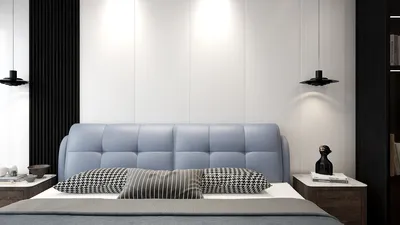


When it comes to designing hotel interiors along the stunning coastlines of India, the unique, humid sea air in Kanyakumari makes air-conditioned rooms a necessity rather than a luxury. These rooms not only provide restorative sleep but also ensure daytime comfort. A well-designed AC room should offer more than just low thermostat readings; it should feature efficient cooling, good acoustics, and healthy air quality. Here’s my guide on how to assess and choose accommodations that remain cool, comfortable, and quiet, enhancing your travel experience effortlessly.
Optimizing Comfort: Temperature, Noise, and Circadian Influences
Understanding thermal comfort isn’t merely subjective. According to WELL v2 standards, the background noise in sleeping areas should remain below 35 dBA at night to support undisturbed sleep. Additionally, managing controlled temperature and humidity is crucial for maintaining a restful environment. Research indicates that temperature discomfort is a leading factor that disrupts focus and recuperation for both travelers and office workers. For optimal bedroom conditions, I recommend a target temperature of 22–24°C paired with relative humidity levels between 45-55% to facilitate proper thermoregulation without excessive cooling. For evening ambient light, a temperature range of 2700–3000K encourages melatonin release, whereas daytime lighting can be adjusted to 3500–4000K to promote alertness. Referencing the WELL v2 guidelines (pertaining to sound and thermal comfort) and Steelcase studies on workplace comfort can further inform these choices.
Essential Features of an Excellent AC Room in Kanyakumari
Hotels located near the coast are often challenged by salt-infused air, high humidity, and inconsistent power supply. An ideal AC room in Kanyakumari typically boasts modern inverter split systems (known for being quiet and energy-efficient), double-glazed or well-sealed windows (which minimize heat absorption and outside noise), and blackout curtains fitted with side channels (to eliminate morning glare). Additionally, a dehumidification mode or a standalone dry function helps maintain relative humidity near 50%, even amidst monsoon conditions. I also prioritize the presence of acoustic door sweeps and soft finishes like plush carpet tiles or thick rugs to minimize sound reverberation. Furthermore, a smart thermostat will maintain a stable temperature while preventing overcooling—this is particularly beneficial when returning from early morning beach walks to a consistently pleasant environment.
Efficient Room Layout for Enhanced Cooling
An inefficient room layout can cause the air conditioning units to work harder than necessary. For instance, when the bed is placed directly under where the air flows, it can create uncomfortable drafts and cold spots. I prefer an AC setup located opposite the bed that directs air across the foot of the mattress, with an unobstructed intake area clear of wardrobes. If you’re assessing rooms or planning accommodations for a group, a simple interior layout planner can help visualize airflow, furniture arrangement, and curtain coverage, thereby minimizing heat gain.
Innovative Room Layout Tools
Lighting, Colors, and Materials That Create a Cool Atmosphere
The psychology of color can influence perceived temperature. Using cool tones—such as soft blues, sea greens, and muted grays—can help a warm room feel more temperate, especially when complemented by matte finishes that reduce glare. Well-being studies suggest that blue is closely linked to a sense of calm and coolness, making it a perfect fit for coastal accommodations. Lighting also plays a crucial role: steer clear of overly bright, cool lights at night; instead, opt for layered lighting techniques (bedside lamps and indirect cove lighting) featuring a warmer color temperature to promote relaxation. Moreover, materials should be capable of withstanding humidity, so performance fabrics that are moisture-resistant, solid-surface countertops, powder-coated metal frames, and rust-resistant hardware are ideal in maritime settings.
Ergonomics and Human Factors: Sleep and Breathing Comfortably
Comfort entails a holistic approach. I prioritize mattresses that offer moderate support to alleviate pressure points, breathable linens (such as cotton percale or Tencel blends), and headboards designed to block drafts. It’s vital that the AC operates quietly, adhering to the WELL v2 nighttime standard of approximately 35 dBA; reviewing guest feedback for noise quality is advisable. Additionally, airflow is crucial: avoid directing air straight towards the face; instead, angle the vanes upwards to mix air gently. If dry air is an issue for you, requesting a room where dehumidification maintains relative humidity without dipping below 40% can be beneficial.
Durability and Maintenance Essentials in Coastal Environments
Coastal air accelerates the corrosion process. To combat this, durable rooms utilize stainless steel SS304 hardware, marine-grade paints, and concealed AC lines to protect cooling coils. Keep an eye out for signs of proper maintenance: clean filters, fresh silicone around windows, and odor-free air returns. Hotels that regularly clean their filters during peak seasons tend to provide more consistent performance and fewer musty odors. If condensation appears on window sills or duct covers, request a room with improved insulation—effective humidity management starts with the building's envelope.
How to Choose the Ideal AC Rooms by Location
When selecting accommodations near the lighthouse and beach, opt for rooms with west-facing heat control; double curtains with reflective backing can significantly reduce afternoon heat gain. For those staying around the Vivekananda Rock ferry area, higher floors typically offer pleasant breezes but ensure that window seals are intact to maintain cool air circulation. In the Suchindram area, inland hotels often benefit from steadier power supplies and reduced salt intrusion; requesting inverter AC units and blackout shades can enhance sleep quality at dawn.
A Simple Checklist Before Booking Your Stay
- Inverter split AC with dry mode for effective humidity control
- Noise levels noted in reviews (prioritize quiet units at night)
- Blackout curtains featuring side channels
- Sealed windows or double glazing for better insulation
- Smart thermostat or reliable temperature management
- Breathable bedding materials, avoiding sticky synthetics
- Maintenance indicators: clean filters with no unpleasant odors
- Backup power availability, particularly common in coastal hotels
How I Optimize the Room Post Check-in
- Set the AC to 23°C and enable dry mode for 30 minutes to achieve humidity balance
- Adjust vanes upwards; avoid directing airflow directly onto the bed
- Close curtains before sunset to limit afternoon heat accumulation
- Switch bedside lamps to warm-white lighting to promote evening relaxation
- Position a soft rug near the bed to absorb footfall sounds
- Ensure the bathroom door is closed to contain humidity effectively
Frequently Asked Questions
Q1: What temperature range is optimal for sleeping in humid coastal climates?
A: Maintaining a temperature of around 22–24°C with relative humidity between 45-55% is ideal for most individuals to enjoy restful sleep without feeling either clammy or cold.
Q2: Are inverter AC units a worthwhile investment?
A: Absolutely. They efficiently adjust their output, are quieter, and provide a consistent temperature—ideal for sleep comfort and energy savings.
Q3: How can I verify if a room is adequately quiet?
A: Check guest feedback for mentions of "quiet AC" or nighttime noise; following WELL v2 guidelines, bedrooms should target around 35 dBA at night.
Q4: What type of lighting should be utilized at night?
A: Opt for warm-white bedside lamps in the range of 2700–3000K to minimize glare and support relaxation; avoid bright overhead lighting in the later hours.
Q5: Are curtains effective in enhancing AC performance?
A: Yes! Blackout curtains featuring side channels significantly reduce solar heat entry and block light leaks that can disrupt your circadian rhythm.
Q6: I often wake up with a dry throat while using AC—what can assist with this?
A: Utilizing the dry mode can manage humidity levels without making the room excessively cool; keep the relative humidity above 40%. Additionally, angle the vanes upwards to mitigate drafts.
Q7: Is double glazing commonly found in Kanyakumari hotels?
A: While it's less common, high-quality single-glazed windows with effective gaskets can still maintain cool indoor conditions satisfactorily.
Q8: What materials resist corrosion effectively in coastal areas?
A: Hardware made from stainless steel SS304, powder-coated metals, marine-grade paint finishes, and synthetic woven upholstery stand the test of coastal environments.
Q9: How can I prevent my AC from leaking or producing musty odors?
A: Choose hotels that perform regular filter maintenance and ensure condensate lines are clear; if you encounter odors, don’t hesitate to request a different room.
Q10: Is a ceiling fan beneficial to use alongside AC?
A: Yes, keeping it on low speed helps distribute air evenly, allowing you to set the AC a degree higher without sacrificing comfort levels.
Q11: Should I opt for higher floors in coastal hotels?
A: Higher floors tend to catch breezes, although they may also experience greater solar exposure; prioritize rooms with adequate shading and effective sealing.
Q12: Any quick setup tips for families?
A: Set the AC to 23°C before the family arrives, close the curtains before sunset, position children out of direct airflow, and keep bathroom doors shut to maintain humidity control.
Homestyler is an outstanding online home design platform perfect for anyone looking to revamp their space. With its user-friendly design tool, stunning 3D renderings, diverse design projects, and helpful DIY video tutorials, you’ll find inspiration and guidance to create your dream home effortlessly!
Дизайн сейчас бесплатно
































