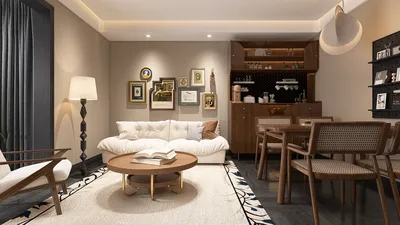


When designing a small living room, the choice of color can transform the space more effectively than any other design decision, especially when combined with intentional lighting and materials. Research in both workplace and residential settings indicates that color affects perceptions of spaciousness, comfort, and behavior. Steelcase highlights that environmental factors like color and light influence our feelings and functionality within a space, enhancing our sense of control and cognitive ease (Steelcase Research). Additionally, WELL v2 suggests that effective balance of illuminance and glare control plays a key role in visual comfort, crucial for how any paint color appears on walls, ceilings, and furnishings, making tools like Homestyler incredibly useful for planning.
Colors that manage contrast, reflect light well, and create a soothing visual rhythm are ideal for small spaces. The IES Lighting Handbook emphasizes that illuminated vertical surfaces are essential for brightness perception—walls that are well-lit often make a room feel larger compared to just bright flooring or ceilings (IES standards). To amplify this effect, combine paints with a high Light Reflectance Value (LRV) with layered lighting. For mental well-being and mood enhancement, color associations are significant; according to Verywell Mind, cool tones can evoke calmness and spaciousness, while warmer shades encourage sociability—important considerations for compact living environments.
Optimal Color Families for Cozy Living Rooms
I prefer gentle, low-contrast color schemes that extend boundaries and soften edges. The secret lies in subtlety—colors must transition smoothly between walls, trim, and ceilings, so the eye doesn’t feel halted at edges.
Opt for warm off-whites with a hint of warmth—consider creamy shades like alabaster, linen, or mushroom-tinted greige. These hues reflect more light without the harshness of stark white, which can create glare during the day and appear cold at night. I usually select a wall color that is 10–20% lighter for the ceiling and 5–10% darker for the baseboards, achieving soft definitions without fragmenting the room.
Shades like blue-grays and pearl grays appear clean and expansive in both natural light and LED. Their cool undertones visually recede, creating an illusion of distance in walls. In smaller spaces, keeping color saturation low ensures that the eye appreciates subtlety rather than competition with furnishings or artwork.
Nature-inspired greens offer soothing tranquility and complement light woods, rattan, and textured linens perfectly. As green is associated with biophilic comfort, it minimizes visual fatigue during extended home evenings. A gentle sage on walls with a lighter ivory ceiling often provides a tranquil and expansive backdrop.
Powder blue acts like soft daylight when applied to walls, while smoke-blue introduces a level of sophistication while maintaining depth. If situated in a north-facing room, choose a blue that incorporates a touch of warm gray to prevent cold undertones.
Techniques to Apply Color for Space Expansion
Choosing the right paint is just one aspect; the application of color plays a critical role in creating a sense of volume. If you're rethinking the layout of your living room, utilizing a room layout tool like Homestyler can help you visualize color along with furniture placement and sightlines before making any actual changes.
Using the same hue for walls, doors, and trim minimizes visual interruptions. This 'wrap' technique promotes a seamless flow across surfaces, increasing the perceived width of the room. I prefer a satin finish on trim and eggshell for walls within the same color family for a gentle sheen gradient.
A mix that is 10–20% lighter than the wall color on the ceiling gives a subtle lift. Pure white often results in harsh contrasting bands; a slight adjustment in lightness maintains a cohesive envelope.
Instead of opting for a high-contrast feature wall that may shorten the room visually, consider adding texture—a limewash, grasscloth, or microtextured paint—in a similar tone for character without compromising volume.
Align larger pieces (sofa, rug) with tones close to wall colors. A low-contrast base minimizes visual complexity; then introduce color through movable elements—pillows, art, and flowers—to keep the room feeling spacious yet personal.
Light as an Enhancer of Color
Color perception is largely influenced by light. Aim to incorporate three layers of lighting: ambient, task, and accent—each dimmable independently. WELL v2 emphasizes managing glare and vertical illuminance for comfort; I generally keep ambient lighting around 200–300 lux in the evenings, boosting task areas to 300–500 lux for reading, while maintaining a low Unified Glare Rating (UGR) with diffused shades and wall washes. Using wall sconces and track lights can make light colors appear more vibrant; indirect floor lamps can enhance the ceiling height at night.
Understanding Undertones, LRV, and Real-world Testing
Undertones can fluctuate dramatically based on flooring color and the direction of natural light. For instance, oak floors will warm up gray hues while polished concrete can cool beige tones. It’s advisable to test at least three different paints with varying LRVs on two walls—one facing a window and the other adjacent. Allow the colors to be viewed in different lighting conditions over 48 hours, taking note of appearances during various times of the day.
Color and Material Combinations for Compact Spaces
- Warm off-white walls paired with light oak and oatmeal linen: creates a soft, sunny ambiance ideal for families.
- Pale greige walls combined with a boucle sofa and brushed nickel elements: offers understated luxury without overwhelming visual noise.
- Sage-colored walls with cane accents and travertine side tables: produces a biophilic, calm space with texture.
- Powder blue walls alongside walnut accents and an ivory wool rug: provides airy contrast while remaining grounded.
Considerations for Behavior and Acoustics
Low-saturation, muted palettes mitigate visual chaos—especially beneficial in versatile living rooms that serve multiple functions such as work, dining, and entertainment. Incorporate soft acoustic elements (curtains, rugs, upholstered panels) to ensure the room sounds as serene as it looks; colors are perceived more favorably in acoustically pleasant environments since they contribute to reduced fatigue.
When to Embrace Dark Colors in a Compact Living Space
Yes, deep hues can be effective. Colors like charcoal, midnight blue, or olive can dissolve boundaries in the evening, creating a cocoon-like effect—perfect for media-centric rooms. Maintain a matte finish to avoid distracting highlights, balancing with ample warm light, and ensure tonal harmony across furniture pieces for a unified visual appearance.
Common Mistakes and Solutions
- High-contrast trim: brings down perceived ceiling height—match it with the wall color instead.
- Overly bright ceiling white: causes glare halos—soften with a 10–20% tint lighter than the wall color.
- Mismatched cool bulbs in warm-toned paint: creates an inelegant look—ensure color temperatures align with the undertones.
- Excessive accent colors: disrupts visual rhythm—stick to one dominant color, a secondary, and one accent for coherence.
Quick and Effective Color Recommendations
- Creamy off-white (warm and LRV ~80–85): promotes maximum light reflection without glare.
- Pale greige (balanced warm-cool, LRV ~65–72): offers harmony across various materials.
- Light sage (soft green, LRV ~60–68): imparts calmness and depth.
- Powder blue (cool with warm-gray hints, LRV ~65–75): effectively avoids a chilly feel.
Frequently Asked Questions
Light, low-contrast hues with higher LRV—such as soft off-whites, pale greige, or misty blue-gray—visually expand boundaries, particularly when wall and trim colors match and vertical surfaces are well-lit according to IES standards.
Not pure white. To elevate the ceiling subtly, opt for the wall color lightened by 10–20% to avoid stark lines. This keeps the visual envelope intact and minimizes glare.
Yes, dark tones can create intimacy. Deep shades like charcoal, navy, or olive can blur edges at night; ensure finishes are matte, lighting is layered, and furniture maintains tonal similarity to prevent visual fragmentation.
2700–3000K is ideal for warm, relaxing evenings, while 3500–4000K suits those who prefer crisp whites. Match color temperature to paint undertones to avoid a flat or cold appearance.
Assess light orientation and materials. North-facing light can be cool—choose warm off-whites or greige; conversely, south-facing light is warm—opt for cooler grays or blue-grays for balance. Test swatches throughout the day before finalizing your choice.
Eggshell is suitable for walls (providing a soft sheen that conceals minor imperfections), satin for trim in the same color to add subtle depth, and flat/matte for ceilings to minimize glare.
High-contrast accent walls could visually shorten or narrow a space. For character, use texture or tone-on-tone accents rather than a stark color jump.
Furniture pieces that closely match wall colors visually recede, maintaining calmness. High-contrast sofas or rugs introduce visual hurdles, making the space feel more cramped.
Paint two-foot swatches on various walls and observe them over a 48-hour period in both day and evening lighting. Strive for consistent vertical illuminance; refer to WELL v2’s glare management and lighting guidelines for assistance.
Plan arrangements and color transitions in conjunction with furniture placement. An interior layout tool like Homestyler can effectively simulate wall colors, rug dimensions, and lighting placements prior to painting to prevent costly errors.

Minimalist Tan Leather L-Shaped Sectional Sofa 3D Model
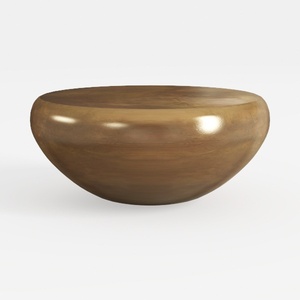
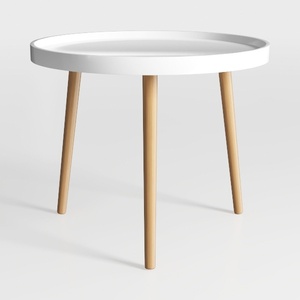
danpinera Round Side Table, Metal Legged Accent
Looking to transform your space? Homestyler is your go-to online home design platform! With an easy-to-use design tool, stunning 3D renderings, a wealth of design projects, and helpful video tutorials, you’ll have everything you need to create your dream home effortlessly.
지금 무료로 디자인하세요
































