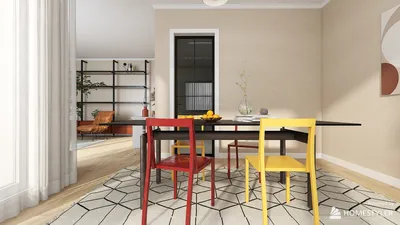


Once, I persuaded a client that positioning the bed in a corner would optimize floor space—only to see them refuse to sleep there after just one night. This minor design blunder taught me valuable lessons about the importance of circulation and sightlines, particularly in a compact 12 x 15 bedroom where every square foot is significant. To avoid costly design errors, consider creating a quick 2D sketch prior to making any final decisions, particularly when using tools like Homestyler for visualization.
1. Bed in the Center with Floating Nightstands
I favor positioning the bed centrally on the long wall as this instantly establishes symmetry and a focal point within the room. Utilizing floating nightstands keeps the floor area visible, thus enhancing the feeling of spaciousness. However, careful planning for electrical outlets and storage is essential—built-in solutions or wall-mounted lamps can address that concern without cluttering the space.
save pin
2. Daybed or Sofa at the Foot of the Bed
Incorporating a slim daybed or a small sofa at the foot of the bed creates a cozy seating nook without disrupting the flow of the room. This design not only serves as a dressing area but can also be budget-friendly when you upcycle a thrifted piece; just be mindful of the walkway width to maintain comfort within the area.
save pin
3. Built-in Wardrobe Wall with Niche for the Bed
When dealing with storage challenges, I've often designed a built-in wardrobe wall that includes a nook for the bed—this creates a cozy and visually appealing aesthetic. The main issues to consider are the initial costs and precise measurements; to better understand the complexity, utilizing a 3D layout tool like Homestyler can provide a clearer picture before investing in cabinetry.
save pin
4. Discreet Corner Workstation
For those working from home, a compact desk nestled in a corner with shelves above offers functionality without overwhelming the bedroom's atmosphere. I suggest using a retractable or fold-down desk to conceal work materials at night—this is economical for small spaces, but ensure you plan for cable management to keep everything tidy.
save pin
5. Dynamic Lighting and Mirrors for Spatial Illusion
Layer various types of lighting—ambient, task, and accent—and place a tall mirror opposite a window to reflect light and add dimension. This is a low-cost yet effective trick; mirrors and smart bulbs are both reasonably priced, but exercise caution to avoid overcrowding the room with reflective surfaces if tranquility is your desired ambiance. For high-quality finishes, I often create custom 3D renders using Homestyler to effectively communicate ideas to hesitant clients.
save pin
FAQ
1. What is the optimal bed placement in a 12 x 15 bedroom?
I typically suggest centering the bed against the long wall to promote balance and facilitate easy circulation. This ensures side access on both ends, contributing to a proportionate feel for the entire room.
2. How much clearance should I maintain around the bed?
Try to keep at least 24–30 inches of space on either side and 30–36 inches at the foot of the bed if possible; tighter spaces can work with 18–24 inches, though this may feel more constricted.
3. Is it possible to include a workspace in a 12 x 15 bedroom?
Absolutely—a compact corner desk or a wall-mounted fold-down desk can fit seamlessly into the layout and be concealed when not in use. Prioritizing vertical storage can help retain necessary floor space.
4. Do built-in furniture options justify the expense?
Built-ins optimize storage while delivering a clean aesthetic, making them particularly advantageous in a 12 x 15 space. Although they may have a higher initial cost, they can add substantial long-term value and reduce the necessity for additional furnishings.
5. How should I select paint and textiles for a small bedroom?
Light, warm neutrals visually expand the space; adding contrasts with textiles and one or two accent colors infuses personality without overwhelming the design.
6. Which mattress size works best for a 12 x 15 bedroom?
A queen mattress fits comfortably with access on both sides, while a king mattress allows for luxurious sleeping space but may limit side clearance. Always measure before purchasing.
7. What options exist for enhancing acoustics and privacy?
Using rugs, heavy curtains, and upholstered headboards can absorb sound, creating a quieter, cozier environment. These upgrades typically have a modest investment but yield significant comfort benefits.
8. Where can I find reliable information about creating an optimal sleep environment?
Yes—the National Sleep Foundation offers scientifically-backed recommendations on bedroom environments and sleep hygiene; check their guidance at https://www.sleepfoundation.org/ for detailed insights.
save pin
Homestyler is your go-to online platform for transforming home design ideas into reality. With its user-friendly design tool, stunning 3D renderings, and a wealth of DIY video tutorials, you can create and visualize your dream spaces effortlessly. Let your creativity soar with Homestyler!
Design Now for FREE
































