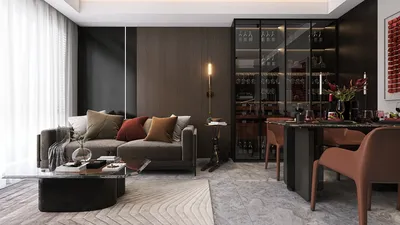


The lifestyle of the future is approaching, yet many current renters rely on memory and tape measures to visualize their spaces. According to Zillow, modern buyers now prioritize layout data over price, marking a significant trend. I assess the search for floor plans as a detailed interface evaluation—consider it the logic map of your apartment—since understanding spatial dynamics is crucial for planning movement within the area.
Locating the right floor plans for my apartment transcends merely reading through documents; it’s about interpreting spatial flows and sightlines. The issue at hand is fragmented information, whereas the future demands clear layout visibility. Research by the NAHB continually emphasizes that adaptable rooms surpass mere square footage. This is why floor plans are essential today rather than at a later time.
Studio Layout: Flexible Core with Peripheral Utilities
Design Concept: A central, open area functions like a processor, facilitating daily activities such as sleeping, working, and dining towards the perimeter, offering flexible adaptability.
Flow: Entry → storage area → kitchenette → flexible core → window space; eliminating backtracking creates a smooth navigation experience.
Sightlines: A direct view from the entrance to the window, enhanced by layered elements: low-profile furniture in the foreground, vertical storage in the middle, and city views at the top.
Storage: A full-height storage solution along one wall, with a depth of 24"–28", organized for daily, weekly, and seasonal items, featuring doors that act as noise buffers.
Furniture Integration: Space allowances restrict a 72" sofa, a 30" drop-leaf table, and a platform bed measuring 54" x 75", designed to ensure nothing obstructs movement.
Conclusion: This design offers versatility; in five years, modular components can be rearranged seamlessly without disrupting the layout’s flow.
save pin
1-Bedroom: Divided Axis with Service Corridor
Design Concept: The private and public areas run parallel, connected by a service corridor (bathroom, laundry, storage), which helps minimize any delays in movement.
Flow: Entry area → service corridor → living space → balcony; the bedroom extends from the corridor to keep routines separate.
Sightlines: The living area prioritizes a view to the outside; the bedroom benefits from a secondary, softer perspective created by framed openings.
Storage: Distributed storage solutions include an 18" deep hallway section and a 24" reach-in closet in the bedroom with double hanging space, plus living area drawer benches for easy access.
Furniture Integration: A queen bed (60" x 80") maintains a 30" clearance; an 84" sofa aligns with a TV wall 9–10 feet away; a 36" round table ensures no collisions.
Conclusion: This layout operates like a stable operating system—upgrades (like a nursery or work-from-home setup) can be incorporated without disrupting the public/private balance.
save pin
2-Bedroom: Corner Design with Central Kernel
Design Concept: The bedrooms are positioned in opposite corners with the living area as the central hub managing light, sound, and daily routines.
Flow: Entry → drop-off zone → living hub → kitchen cycle; bedrooms branch off with equal access to reduce potential conflict.
Sightlines: Cross visibility from the kitchen to windows keeps the living area engaged; bedroom doors are staggered to minimize visual distractions.
Storage: Central pantry plus a linen closet; each bedroom gets 30–36 sq ft of closet space for long-term storage needs.
Furniture Integration: A sectional sofa (95") ensures 36" of clear paths; dining area uses a 60" x 36" rectangular table; desks are positioned near outlets for efficient power access.
Conclusion: This layout supports multiple users; over five years, it can adapt to changes such as new roommates or home office setups without strain.
save pin
Final Thoughts
When searching for floor plans for my apartment, it’s important to transcend traditional documents—focus on the interface: flow, sightlines, storage solutions, and spatial allowances. The most effective layouts will not necessarily be larger; they will be more efficient and intentional. I notice that small spatial choices can significantly enhance how my clients experience their living environments, and tools like Homestyler can help visualize these changes effectively.
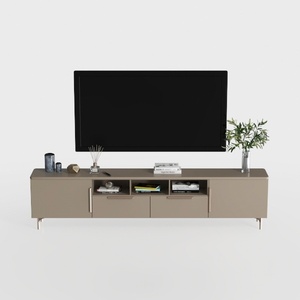
Modern Minimalist Solid Wood TV Stand Cabinet with Storage 3D Model

Modern Rattan Fabric Outdoor Sectional Sofa with Coffee Table 3D Model
Experience the ultimate in home design with Homestyler! This user-friendly platform offers a fantastic online design tool, stunning 3D renderings, and a vast collection of inspiring design projects. Plus, with DIY video tutorials, you'll have all the guidance you need to create your dream space effortlessly.
Desain sekarang Gratis
































