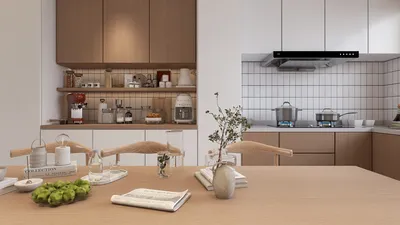


In a 10x12 kitchen featuring an island, optimal cabinet planning can significantly enhance functionality by considering circulation, ergonomics, and a proper storage hierarchy. I aim to establish an efficient work triangle, balanced storage between base and wall cabinets, and ensure the island’s footprint is proportional without obstructing the aisles. Even minor design errors, like making the island too large or fitting excessively deep tall units, can hinder movement and visibility in tight spaces. Utilizing tools like Homestyler can significantly aid in achieving this balance.
Establishing adequate clearances is crucial. Research from Steelcase demonstrates a correlation between unobstructed movement and a decrease in cognitive load, ultimately promoting better task flow. This principle is reflected in my approach to kitchen circulation design. According to the WELL v2 Kitchen & Nourishment guidelines, a human-centric design fosters effective habit formation and safe workflows. I maintain primary aisles of 42-48 inches around the island for two users and aim for a minimum of 36 inches in tighter spaces, ensuring compliance with safety codes. For countertops, a height of 36 inches is standard, while prep zones can benefit from heights between 34-36 inches, and baking tasks may drop to 32-34 inches for easier leverage.
Both lighting and visibility for tasks are as significant as the arrangement of cabinets. The Illuminating Engineering Society recommends a lighting level of approximately 300-500 lux for kitchen work areas. I combine this with a warm-neutral lighting color temperature of 3000-3500K to maintain true finishes and natural food appearance. Under-cabinet lighting, designed to reduce glare, ensures that the depth of base cabinets is usable without harsh contrasts at the backsplash. If seating is part of the island design, I install pendant lights to provide 150-300 lux for dining surfaces, strategically positioned to minimize shadows on prep spaces.
Core Layout Design for a 10x12 Kitchen with an Island
The sink is typically positioned on the perimeter, preferably near a window or central wall, with the dishwasher located within one cabinet bay of the sink. The cooktop can be placed adjacent or opposite to the sink, depending on structural considerations and venting needs. The fridge should be placed at a terminus combined with a tall pantry, creating a vertical element that visually balances the island’s mass. To explore various configurations effectively, a room layout tool such as Homestyler can provide a valuable simulation of clearances, seating overhangs, and cabinet door swings.
Specifications for Island Dimensions and Cabinet Arrangement
In a compact 10x12 kitchen, I target an island that measures 24-30 inches in depth and 60-72 inches in length, provided circulation allows. When including seating, a 12-inch overhang is a minimum requirement (15 inches for added comfort), with countertop reinforcement achieved using concealed brackets. Base cabinets surrounding the island should generally be 24 inches deep, and drawers are more efficient than doors for access. If space is limited, a narrower 18-21 inch deep island or a console-style workstation can keep aisle widths above 36 inches while adding functional storage.
Choosing Cabinet Types: Essentials for Functionality
- Base drawers for storage of prep materials and cookware: ideally 24 inches deep with full-extension slides. I organize contents by tasks—utensils and knives in the top drawer, bowls and wraps in the middle, and heavier pots at the bottom. Placing drawer stacks near the cooktop minimizes unnecessary movements.
- A pull-out trash and recycling system close to the sink: a 15-inch or 18-inch unit with integrated double bins is essential in compact kitchens.
- A tall pantry featuring roll-outs: a singular 24-inch wide tall cabinet (or two 18-inch units) can effectively replace scattered upper cabinets while enhancing visibility of stored items.
- Upper cabinets with lift-up doors are ideal for tight clearance situations, reducing conflicts with island traffic.
- Corner solutions: employing a blind corner with pull-out storage or a compact lazy Susan can maximize hard-to-reach areas without sacrificing aisle space.
Focusing on Ergonomics and Human Factors
Research by Herman Miller highlights the productivity improvements achievable when factors such as reach, visibility, and posture are effectively aligned. I apply this insight to cabinet height plans and storage frequency: high-use items are ideally stored between 24-60 inches off the ground, while rarely accessed items are kept either high or low. Handles should facilitate a natural wrist position; I prefer slim pulls horizontally on drawers and vertically near the edges of doors. It’s best to designate a primary prep zone, ideally between 24-36 inches wide, next to the sink, unobstructed by appliance handles or door swings.
Colors, Finishes, and Visual Harmony
According to color psychology, lighter shades create a perception of increased space and mitigated visual weight. In a 10x12 kitchen layout, I often opt for matte, reflective cabinet finishes to enhance overall brightness. If bold contrast is desired, combining dark base cabinets with lighter upper cabinets can be effective, while balancing the island with mid-tones to prevent visual disarray. Wood grains add warmth; pairing them with low-gloss finishes reduces glare under task lighting. Hardware choices in brushed nickel or matte black can unify the palette without overshadowing the island's visual presence.
Addressing Acoustics and Material Choices
In smaller kitchens, utilizing soft-close hardware, felt bumpers, and acoustic floor coverings can be beneficial. Dense quartz or sintered stone countertops are superior for noise dampening when compared to ultra-thin metal. For cabinet interiors, melamine with high-quality edge banding is moisture-resistant, while plywood offers durability; ensure that low-VOC adhesives are used if indoor air quality is a concern. Select finishes on the island surface with heightened abrasion resistance to withstand the wear from seating and objects.
Mapping Workflows: From Prep to Clean
I outline the ideal workflow from the fridge to the sink and the island. The fridge opens towards the island for an intuitive transfer of produce to the landing area. The door of the dishwasher must not hinder access to the sink; planning its hinge side away from busy aisles is necessary. When the cooktop is located on the island, it’s essential to reserve at least 9-12 inches of landing space on either side and add a shallow spice or utensil drawer beneath the countertop. If venting is an issue, it may be wiser to keep the cooktop along the perimeter, reserving the island for preparation and serving tasks.
Storage Proportions for a Compact Kitchen
In a 10x12 kitchen setup, I typically recommend that around 60-70% of the storage be allocated to base cabinets, 20-30% to upper cabinets, and 10-20% to tall cabinets, based on ceiling height and appliance location. Prioritizing drawer-heavy bases minimizes bending and improves visibility. In an 8-foot ceiling environment, it's advisable to stop upper cabinets 12-18 inches short of the ceiling to maintain an open feel and enhance the ambient light; at 9-10 feet, a two-tier upper arrangement with glass fronts for infrequent use can be very effective.
Designing Lighting Layers for Cabinetry
Mixing ambient (recessed or surface-mounted), task (under-cabinet), and decorative (pendant) lighting is essential. Under-cabinet strips should be placed at the front rail to evenly illuminate the countertops while reducing harsh shadows. For the island, it’s important to select pendants with diffusers or uplighting components, which can help avoid hotspot glare on shiny surfaces and brighten the entire 120 sq ft space.
Seating Arrangements and Social Interaction
For accommodating two to three stools, it’s best to allocate 24 inches per seat centerline and ensure at least 12-15 inches of clearance for knees. Positioning seating away from the cooktop minimizes cross-traffic and enhances comfort. In kitchens that open into living areas, maintaining a visually clean face for the island is ideal—consider using shallow display niches or flush panels rather than exposed cabinet backs.
Common Pitfalls to Avoid
- Oversizing the island can congest aisles, restricting movement.
- Too many tall cabinets in a short space causes a cramped atmosphere.
- Neglecting under-cabinet lighting can lead to underutilized base storage.
- Door swings that interfere in corner spaces or obstruct the dishwasher are problematic.
- Forgetting pull-outs can render deep shelves as wasted space in compact kitchens.
Material Selection and Sustainability Considerations
Opt for durable, repair-friendly hardware and low-VOC cabinet materials to maintain healthy indoor air quality. Choosing quartz with recycled content and plywood that is FSC-certified is an eco-conscious decision. Balance expenditure where performance is critical: prioritize quality in drawer hardware, hinges, and countertop edges while looking for savings in decorative panels that experience less wear.
Utilizing Planning Tools
While experimenting with various island dimensions and cabinet configurations, employing an interior layout planner can effectively visualize door clearances, stool arrangements, and tall cabinet placements. Tools like Homestyler can help predict potential bottlenecks before construction begins, preventing expensive redesigns.
Frequently Asked Questions
Q1: What clearance do I need around the island in a 10x12 kitchen?
A: Aim for 42-48 inches for two people to work comfortably, with 36 inches sufficient for single-user pathways in tighter setups.
Q2: Are drawers more effective than doors for base cabinets in compact kitchens?
A: Absolutely. Full-extension drawers enhance visibility and reduce the need to bend, especially for cookware and prep items.
Q3: What depth should I design for the island if seating is needed?
A: A depth of 24-30 inches along with a 12-15 inch overhang for stools is recommended. Reinforcement for the countertop with brackets may be necessary for extended overhangs.
Q4: What lighting levels should I aim for on task surfaces?
A: Approximately 300-500 lux for countertops is recommended, along with a color temperature of 3000-3500K for accurate color rendering.
Q5: Where is the best location for the pull-out trash?
A: It should ideally be placed next to the sink base for ease of preparation and cleanup, with a 15-18 inch cabinet housing dual bins working effectively.
Q6: Is it permissible to place the cooktop on the island in a 10x12 kitchen?
A: Yes, but make sure to reserve 9-12 inches of landing zone on either side and confirm that venting is adequate. Many opt to keep the cooktop on the perimeter for simpler exhaust management.
Q7: How many seating spots can I accommodate at the island?
A: Generally, two to three stools can fit comfortably, allowing 24 inches per seat while ensuring 36-42 inches of aisle space behind.
Q8: Do tall pantry cabinets contribute to a feeling of confinement in the space?
A: One tall pantry can be beneficial; however, an overabundance of tall cabinetry in shorter runs may create a narrow appearance. It's crucial to balance tall storage with lighter upper cabinets.
Q9: Which hardware finish is the most forgiving in terms of maintenance?
A: Finishes like brushed nickel and matte black resist fingerprints effectively and harmonize well with both light and dark cabinetry.
Q10: How can I prevent conflicts with cabinet doors in corners?
A: Utilizing lift-up doors on upper cabinets near corners or specifying blind-corner pull-outs can be useful; mapping the swing arcs during layout planning is advisable.
Q11: Which countertop materials are best for reducing noise?
A: Denser materials such as quartz or sintered stone are superior for dampening impact noise compared to thinner metal surfaces and work well with soft-close hardware in cabinets.
Q12: Should I extend upper cabinets all the way to the ceiling?
A: In rooms with 8-foot ceilings, leaving a 12-18 inch gap enhances the sense of space. At 9-10 feet, a two-tier upper configuration with glass fronts for occasional-access items may work well.
Looking to transform your living space? Homestyler is your go-to online home design platform! With its user-friendly design tool, stunning 3D renderings, and an abundance of DIY video tutorials, you’ll find all the inspiration and guidance you need to make your dream home a reality.
Concevez maintenant gratuitement
































