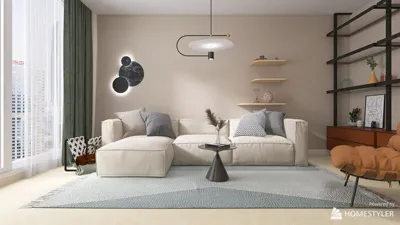


Creating window treatments for a child’s room requires a thoughtful combination of safety and practicality. My method emphasizes the importance of cordless operation, long-lasting materials, and effective light management to support both healthy sleep and vibrant play. In the pediatric spaces I design, addressing issues like glare reduction and maintaining regular circadian rhythms can significantly enhance the environment. The WELL v2 guidelines advocate for light exposure strategies that align with sleep patterns, highlighting how controlling nighttime illumination can safeguard melatonin production; research cited by WELL indicates that intense evening light can diminish melatonin levels by up to 50%, making blackout capabilities crucial for early bedtimes and naps. Additionally, exposure to natural daylight is vital, as WELL v2 suggests that adequate daytime light can enhance children's mood and cognitive function. Thus, window treatments should easily fluctuate between bright, stimulating playtime and serene, dark sleeping conditions, which is where tools like Homestyler can assist in visualizing designs.
Controlling glare is more than a comfort issue; it falls under the category of visual ergonomics. The Illuminating Engineering Society (IES) has detailed how unmanaged window glare can induce visual fatigue, complicating activities like reading and crafting. For workspaces adjacent to windows, I recommend mild filtering fabrics (with about 3-5% openness for screen shades) to soften contrast while still allowing for external views. Color psychology suggests utilizing calming, warm tones in serene spaces while reserving more vibrant colors for play settings; insights from Verywell Mind indicate blues create a soothing atmosphere while yellows provide energy, thus selecting a well-thought palette for your blinds can effectively influence behavior and mood. By blending blackout layers with soft-filter day shades, families gain flexibility to adjust settings from vibrant drawing sessions to cozy nap times—all while keeping safety in mind.
Safety is paramount when selecting window treatments for children's spaces. Opting for cordless or motorized blinds can effectively eliminate strangulation risks; I purposefully steer clear of free-hanging pull cords entirely. At the very least, child-safe breakaway tassels and cord guides should be included, though cordless systems significantly mitigate risk. The mounting hardware must be securely affixed to studs or sturdy masonry using tamper-resistant brackets. Additionally, slat widths, hem bars, and bottom rails need to feature smooth edges to prevent injuries. In shared or communal areas, I encourage parents to consider low-voltage, battery-operated options paired with wall-mounted remotes that are out of children's reach. Material choice is crucial: whenever possible, select OEKO-TEX-certified or Greenguard-tested fabrics to ensure a reduction in VOCs and other odors that might affect sensitive children.
Optimal Blind Choices for Children’s Rooms
• Blackout roller blinds: These are perfect for maintaining sleep hygiene, particularly useful for children who go to bed early or take naps. Using a side-channel or cassette headrail can further enhance light sealing, and pairing them with a light-filtering roller shade provides versatile control.
• Cellular shades (honeycomb): Cordless, energy-efficient, and excellent for stabilizing room temperatures, these are ideal for spaces with intense afternoon sunlight or drafty windows. Their design helps minimize heat transfer, promoting comfort while saving energy.
• Solar screen shades: An excellent choice for desks and play areas located near windows. Fabrics with a 3-5% openness rating effectively reduce glare while maintaining visibility and daylight intake. Opt for neutral, low-gloss weaves to minimize unwanted reflections.
• Faux-wood blinds (with child-safe tilt): These treatments provide durability and are easy to clean, making them an excellent choice for messy play areas. I prefer specifying wand controls instead of traditional corded systems and choose matte finishes to avoid reflections.
• Roman shades (with cordless lift): Offering a soft aesthetic that complements various color schemes, these shades can include blackout linings for improved sleep conditions. Additionally, a top-down/bottom-up cellular underlayer provides flexible light control options.
Designing for Light, Color, and Sleep Comfort
I incorporate lighting strategies to align with daily routines: implementing blackout linings for early bedtimes, choosing low-transmission fabrics for nap times, and utilizing daylight-friendly screen shades for play periods. When it comes to color, soothing blues and gentle greens are ideal for reading areas, accompanied by vibrant yellows or corals to enhance joyfulness near play areas. As highlighted by Verywell Mind’s color psychology references, blues promote calmness and concentration, while yellows boost happiness—both of which are essential when designing kids' rooms. Maintain patterns that are playful yet uncomplicated; larger, straightforward designs help to prevent visual overstimulation. If the room benefits from abundant daylight, consider using a dual-roller system to effortlessly transition from bright to dim without complicated adjustments.
Durability and Easy Maintenance
Kids often put surfaces to the test. I typically select abrasion-resistant and wipe-clean fabrics and finishes: PVC-free screen shades, performance polyester with stain-resistant coatings, and faux wood slats able to withstand markers and fingerprints. Employing removable fabric covers on Roman shades aids in laundering. For hardware, I recommend using metal or high-grade polymer materials featuring concealed screws to minimize curiosity-related accidents. In moist climates, using moisture-resistant materials is essential to prevent warping and mildew.
Cordless and Motorized Solutions
Cordless spring-lift systems are both reliable and user-friendly. For larger window areas or layered treatments, battery-operated motors ease operational strain, keeping controls off the window sill. Timers can be programmed to coordinate opening and closing with daily routines (such as morning sunlight and evening blackout), further supporting the circadian rhythms outlined in WELL v2. I prefer quiet motors equipped with soft-start functions to ensure that adjustments do not disturb sleep.
Glare Management and Task Zones
Spaces designated for reading, crafting, or homework should have precise glare control. Pairing a low-openness screen shade with a desk task lamp emitting around 300-500 lux creates an optimal workspace, ensuring that ambient window brightness doesn’t create stark contrasts with the page. Avoid using glossy slats or shiny fabrics near screens, as reflective surfaces can increase glare. For multi-functional areas, a dual-layer approach (screen plus blackout) facilitates seamless transitions from playtime to naptime.
Considerations for Layout, Safety Clearances, and Furniture Arrangement
Access to windows should be free from obstacles but also not promote climbing. Ensuring beds and furniture that can be climbed are positioned at least 18-24 inches away from sills discourages leaning and helps prevent falls. If you're evaluating furniture layouts and window treatment options concurrently, utilizing a room layout tool can clarify how desks, reading chairs, and blackout panels interact with natural light and flow.
Choosing Materials for Health and Sustainability
Emphasize the selection of low-VOC fabrics and components, such as PVC-free screens, water-based finishes, and OEKO-TEX-certified textiles to mitigate indoor air quality concerns. Cellular shades also offer thermal benefits that can lower energy consumption and help stabilize room temperatures—beneficial for comfort as well as budget. Durable materials that are easy to clean not only prolong the life of products but also minimize the need for replacements, creating a sustainability advantage for busy families.
Color, Patterns, and Personalization in Design
Select color schemes that can grow with children: softer foundational tones (misty blues, fern greens) paired with changeable accent colors or trims. Roman shades adorned with embroidered or appliquéd bands can infuse personality without overwhelming the room’s overall design. Keep patterns large enough to be discernible from across the room; excessively intricate designs can be visually tiring for young eyes. Consider incorporating magnetic or Velcro appliqués that allow families to adjust designs as interests develop.
Recommended Combinations for Optimal Functionality
• Dual-roller setup: A daytime screen shade (3-5% openness) combined with a nighttime blackout shade offers sleek aesthetics and impressive adaptability.
• Cellular shades with drapery: Cordless cellular options provide daily flexibility, while blackout-lined drapery ensures complete darkness and sound absorption.
• Faux-wood blinds paired with blackout Roman shades: Durable slats are perfect for daytime play, while soft Roman shades ensure a snug fit for bedtime and light control.
Installation and Maintenance Insights
Ensure precise measurements, opting for inside mounts that feature side channels for superior blackout performance, and select child-safe anchors. Regular vacuuming or dusting is necessary to prevent allergen accumulation. Spot cleaning with mild soap is advisable while avoiding harsh solvents that might damage finishes. Scheduling routine inspections of brackets and wands is key, particularly following lively play sessions.
Expertise and Design Recommendations
I rely on the WELL v2 guidelines for effective light management that promotes healthy sleep and follow IES principles for glare control, ensuring comfortable environments for visual tasks. For mood-enhancing color choices, the advice compiled by Verywell Mind aids families in selecting palettes that align with their behavioral objectives—calm tones for reading and vibrant hues for play.
Frequently Asked Questions
Q1: Are cordless blinds genuinely safer for children?
A1: Absolutely. Cordless window treatments eliminate the risk associated with hanging cords. I primarily recommend either spring-lift cordless styles or low-voltage motorized systems paired with wall-mounted remotes for added safety.
Q2: What solution best accommodates both nap times and active play?
A2: Implementing a dual-layer approach with a light-filtering screen shade during the day and a blackout roller or lined Roman shade for restful sleep allows for easy adjustment between vibrant play and restful napping.
Q3: What openness percentage should solar screen shades have?
A3: For children’s rooms, a 3-5% openness offers an optimal balance for glare control while preserving views. This design mitigates harsh contrasts near desks and craft zones while keeping the room brightly lit.
Q4: Do cellular shades assist with temperature regulation?
A4: Indeed. Their honeycomb structure is excellent for preventing heat gain during the summer and minimizing heat loss in winter, stabilizing comfort levels and potentially reducing energy expenditures—ideal for spaces with significant sun exposure.
Q5: Which colors are the best for affecting mood and behavior?
A5: Calming blues and soft greens promote focus and tranquility in reading areas, while cheerful yellows thrive in play zones. Always favor larger, simpler patterns to avoid overwhelming young minds.
Q6: Can I eliminate wiring if I want motorized blinds?
A6: Yes, battery-operated motors provide a perfect solution. These systems are quiet, cordless, and can be equipped with timers to synchronize with routines that foster healthy sleep patterns.
Q7: What strategies can enhance blackout performance?
A7: To boost blackout effectiveness, incorporate a cassette or fascia to hide the top gap, add side channels, and select a true blackout fabric. Ensuring precise measurements for inside mounts will further minimize light leaks.
Q8: Which materials are the easiest to maintain?
A8: Faux wood slats and performance polyester roller fabrics are convenient as they are both durable and wipe-clean. PVC-free screens with matte surfaces are fingerprint-resistant and easy to dust.
Q9: Are window treatments acceptable in proximity to cribs?
A9: Ensure that cribs and beds are located at least 18-24 inches from windows, and any dangling cords or pulls should be removed. Choose cordless options and confirm that hardware is securely fastened.
Q10: Do window treatments play a role in acoustics?
A10: Yes, softer layered treatments (like combining cellular shades with drapery) can absorb sound, thus decreasing echo, making storytelling or quiet playtime much more pleasant.
Q11: What is the best routine for optimal daylight exposure?
A11: Bright exposure during the day helps maintain alertness, while gradual dimming in the evening promotes better sleep. Utilizing screen shades allows for the effective harnessing of daylight for play, transitioning to blackout layers at bedtime to thwart late-night melatonin inhibition.
Q12: How frequently should I inspect blind hardware?
A12: Conduct monthly checks on brackets, wands, and safety features, increasing frequency after active play sessions to ensure everything remains secure and well-aligned.


Transform your living space effortlessly with Homestyler! This user-friendly platform offers an intuitive online design tool, stunning 3D renderings, and a plethora of DIY video tutorials. Perfect for both novices and experienced designers, it's your ultimate companion for inspiring home transformations.
Design Now for FREE
































