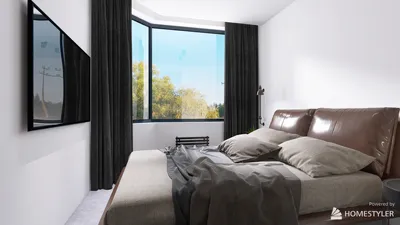


In my designs for TV walls, the goal transcends merely providing a space for a screen; it involves creating a harmonious environment through deliberate management of light, sightlines, acoustics, and storage. This thoughtful design approach ensures a sense of intention as soon as one steps into the room. A cleverly designed panel serves as the focal point, organizing cables and speakers, while the strategic use of finishes and lighting enhances the ambiance, benefiting both people and pixels. Utilizing tools like Homestyler can be instrumental in visualizing these designs.
Two critical factors inform my design philosophy. First, glare management and ambient brightness are essential for visual comfort. The IES recommends maintaining approximately 50–100 lux on TV backgrounds for pleasant viewing experiences, while minimizing glare on screens. Second, the warmth of color tones is significant; environments bathed in warmer light (2700–3000K) foster relaxation after work, aligning with WELL v2 guidelines that encourage tunable lighting for circadian wellbeing. These principles guide my decisions on lighting placement, finish selections, and overall reflectance around the screen.
My approach also draws from behavioral insights regarding color. Research indicates that deep blues and muted greens can alleviate stress and visual fatigue, whereas vibrant reds may increase restlessness. In spaces like drawing rooms, where social gatherings and quiet viewings coalesce, I recommend adjusting color intensity around the TV to diminish visual distractions, ensuring a comfortable viewing experience during longer sessions or movie nights. Tools like Homestyler can be leveraged to fine-tune these color choices.
Sleek Minimalism: Slim Battens and Concealed Storage
For compact drawing rooms, I propose a streamlined panel adorned with 30–40 mm slatted battens against a matte backdrop. This design enhances the visual framing of the TV while keeping it light. The finish is kept at 5–10% sheen to limit reflections. A continuous floating media shelf measuring 300–350 mm effectively conceals streaming devices while ensuring ventilation. Soft, backlighting from linear LEDs at 2700–3000K creates a gentle halo effect that maintains visual focus on the screen. As a tip for optimal sightlines, position the TV center at approximately 100–110 cm from the floor—ideal for most sofas—to avoid neck strain.
Natural Textures: Stone and Wood for Day-to-Night Comfort
In spaces filled with natural light, I prefer utilizing honed stone laminate or porcelain behind the TV to manage glare, complemented by warm oak or walnut finishes. The honed texture ensures the recognition of the screen during daylight. I recommend a 20–30 mm overhang to recess an LED perimeter to gently illuminate the area; dimmable lighting alleviates contrast during darker settings. If you're adapting your layout, employing a room layout tool can help visualize furniture arrangements and viewing angles effectively.
Acoustic Innovations: Slat Walls Hosted with Discreet Speakers
For families who enjoy binge-watching or hosting viewing parties, acoustic quality is paramount. I install 20–25 mm wooden slats over black acoustic felt to enhance sound absorption (the NRC rating varies with the backing thickness; effective absorption occurs with a 25–50 mm air gap). I integrate discreet L/C/R speakers behind the slats and apply sound-absorbing materials at the first reflection points. The darker felt enhances the screen's visibility while the slats contribute warmth to the environment. Ensure accessibility for cables with removable magnetized panels.
Floating Design: Monolithic Panels with Cantilevered Benches
A single panel appears to 'float' from the wall with 25–30 mm standoffs and houses an integrated AV chase. Below, a 420–450 mm high cantilevered bench serves as both display and storage, maintaining a light aesthetic. I soften the overall look with rounded edges (R10–R15) for a more inviting appearance. For visual balance, ensure the panel width is 1.2–1.5 times the screen width to avoid overpowering the space.
Dark Matte Surrounds for Optimal Glare Management
For passionate movie watchers, a low-gloss charcoal or deep olive panel helps maintain black levels by reducing reflective brightness. Incorporate indirect cove lighting above at 1–2% of the screen's brightness to aid visual adjustment, preventing eye fatigue from shifting between bright menus and dark scenes. Keep the room aesthetic balanced with warm accents and textured fabrics, steering clear of a stark 'black hole' appearance.
Gallery-Style Integration: Art Rails and Media Niches
Often, I integrate a sleek art rail system directly into the TV installation. Placing the screen between asymmetrical niches for books or artworks can enrich the space. Employ microprismatic downlights (with UGR controls) to eliminate glare on reflective surfaces. When the TV is not in use, the wall transforms into a curated gallery rather than appearing empty.
Integrated Credenza: Stone and TV Panel Fusion
In larger rooms, I suggest a seamless stone or engineered surface paired with a low credenza, allowing the TV to sit in a flush reveal above. Maintaining a consistent 10–15 mm reveal provides shadow detail. It’s essential to ventilate the credenza internally and create concealed service pathways for devices. I prefer push-latch doors to maintain a sleek look.
Warm Metal Elements: Brass Accents and Linear Harmony
Incorporating 6–10 mm brass inlays across wooden panels introduces rhythm without overwhelming the design. Utilize a repeating 300–350 mm module aligned with shelf sections and speaker grilles. Since metals reflect light, it's crucial to position brass accents away from direct beams to prevent screen flare; opt for wall washers that provide good cutoff instead of exposing spotlights.
Lighting Strategy: Layered, Dimmable, and Screen-Friendly
Creating a cozy TV environment hinges on layered lighting: perimeter cove lighting at 2700–3000K for ambiance, wall grazing over textured surfaces, and task lighting at seating level. Avoid direct beams hitting the screen; angle track heads 30° towards the wall, and use dim-to-warm LEDs for evening viewing. Following visual ergonomics principles, maintaining lower ambient contrast and eliminating point-source glare can reduce eye strain during prolonged viewing sessions.
Color Psychology in TV Surroundings
The colors surrounding the TV should soothe rather than create distractions. Soft blues, greens, and warm taupe tones work well as backgrounds; brighter, more saturated colors make more suitable accents farther from the focal point. Insights from color psychology suggest that vibrant reds can heighten tension and arousal. Thus, I reserve such colors for artwork or accessories positioned away from the primary viewing area to maintain a comfortable atmosphere.
Effective Cable Management for a Neat Appearance
To maintain a clean look, I incorporate a vertical service spine behind the panel, allowing snap-on access, with 30–40% capacity allotted for future devices. Labeling and 300 mm service loops simplify device exchange. Ensure ventilation openings at both the top and bottom of enclosed cabinets facilitate passive heat exhaust for receivers and consoles. For wall-mounted televisions, a recessed power/data box should be centrally positioned behind the bracket.
Ergonomic Considerations: Viewing Distance and Height
For a 55–65 inch television, I suggest maintaining a viewing distance of 2.0–2.5 times the screen height for mixed content, shortening this for 4K content with intricate details. The ideal center height for the screen typically falls around 100–110 cm from the floor, particularly for seating arrangements that include chaise lounges or recliners, where I may lower the height slightly. Employing tilting mounts can adjust for fixed wall heights.
Sustainable Materials and Maintenance Considerations
I prioritize using FSC-certified veneers, low-VOC finishes, and durable laminates in areas subject to high traffic. Matte porcelain surfaces resist scratching better than natural stone, particularly in environments with children or gaming. Removable fabric panels covering acoustic structures can be cleaned or changed as needed. It's essential to design for durability—TV technology evolves rapidly, so consider adaptability in cabinetry.
Space-Saving Tips for Small Rooms: Airiness and Storage
Employ floating design elements and maintain continuous floor lines to create an open feeling in compact spaces. I recommend integrating shallow drawers for remote controls and keeping side depths within 300–350 mm to avoid a cramped aesthetic. Utilizing light-colored finishes like oak or ash in combination with soft gray panels can enhance airiness; introducing one deeper hue behind the TV can add dimension without constraining the space.
Design Layout and Flow Considerations
It's crucial to coordinate the conversation area with the screen. In multi-sided rooms, angling a corner panel to align with the primary seating direction can prevent awkward furniture placements. When planning, leverage interior layout planning software to evaluate sectional depths, clear pathways (aiming for 800–900 mm), and sightlines, which allows for rapid adjustments.
Step-by-Step Guide: From Conceptualization to Installation
- Outline stud locations and cable pathways prior to finalizing panel designs.
- Assess ventilation requirements for all equipment, designing necessary openings.
- Use painter's tape to visualize the screen height; evaluate sightlines from all seating areas at various times.
- Install lighting with dimming capabilities from the outset; conduct glare assessments prior to project handover.
- Document all wiring systems and provision for extra conduits for future enhancements.
References on Lighting, Wellness, and Behavioral Insights
I emphasize established standards and research-oriented frameworks that address glare, circadian comfort, and the overall experience of occupants. For enhancing your TV wall's palette and lighting choices, investigate WELL v2 Light guidelines at wellcertified.com and delve into color psychology materials available at Verywell Mind.
Common Inquiries
Q1: What height should I mount my TV in a drawing room?
A1: Aim for the center of the screen at about 100–110 cm above the floor for sofa seating, with potential adjustments of 20–30 mm based on seating height and inclination.
Q2: How can I minimize screen glare without darkening the room?
A2: Implement matte finishes for your panel, use indirect lighting (such as coves or backlighting), and avoid placing downlights within the glare zone of the screen. Keeping background illumination at around 50–100 lux eases the strain on the eyes.
Q3: What color should I use behind my TV?
A3: Opt for muted, low-chroma colors—such as charcoal, slate blue, or olive gray. These shades help reduce stark contrast and visual distractions, promoting relaxation through color psychology.
Q4: What is the recommended viewing distance for a 65-inch TV?
A4: Ideally, the viewing distance should be about 2.0–2.5 times the screen height for general content, with closer distances acceptable for 4K cinematic viewing to appreciate finer details without pixelation.
Q5: Is it possible to conceal speakers within the TV panel?
A5: Absolutely. You can cover left, center, and right speakers using acoustic slats or perforated materials while ensuring easy access for maintenance.
Q6: What is the best lighting temperature to use around a TV?
A6: Warm white lighting, around 2700–3000K, promotes a relaxed atmosphere, particularly in the evening. Pair this with dimming options to match the surrounding light levels and minimize harsh contrasts with the screen.
Q7: How do I keep cables tidy and organized?
A7: You can create a vertical service channel with removable access panels, install recessed power outlets, and label your service loops to make future device additions straightforward, allowing for 30–40% extra capacity.
Q8: Which finishes are most suitable for high-traffic family rooms?
A8: I recommend low-sheen laminates, porcelain surfaces, and engineered woods with protective topcoats. It's best to avoid natural stone in busy areas unless properly treated for durability.
Q9: Is a dark wall the best option for watching movies?
A9: While darker matte walls can enhance perceived contrast, it's important to keep the overall room warm and textured. Balance this with adjustable ambient lighting to reduce eye strain.
Q10: What should be the depth of my media cabinet?
A10: Typically, a depth of 300–350 mm accommodates most devices while ensuring unhindered movement. Always account for receiver depth and ventilation clearance during your planning.
Q11: Is acoustic treatment necessary in a living room?
A11: Not always, but using strategies like slat panels, rugs, and soft furnishings can mitigate echo. For dedicated viewing areas, consider acoustic absorption at initial reflection points and effective bass management via placement.
Q12: What's the best method for planning a layout before construction?
A12: Use layout simulation software to evaluate seating distances, pathways (targeting 800–900 mm), and sightlines, allowing for iterative improvements before finalizing designs.

Daycare Shelves for Kids, Bookcase with 2 Shelves

Rustic Rectangular Coffee Table, 44.8 Inch
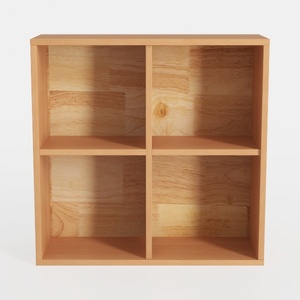
Minimalist Solid Oak Open Storage Bookshelf 3D Model
Homestyler is your go-to online home design platform! It offers an easy-to-use design tool, stunning 3D renderings, a wealth of design projects, and helpful DIY video tutorials. Transform your space effortlessly and unleash your creativity without any prior experience!
Дизайн сейчас бесплатно
































