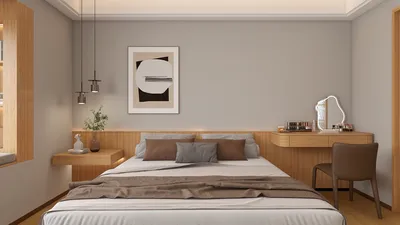


Having reimagined numerous compact kitchens in various apartments, studios, and urban residences, I have found that tiles serve as a pivotal surface to enhance scale, light, and durability. In smaller kitchens, every decision significantly influences perceived space and the efficiency of daily tasks. Here’s a practical guide to selecting tile materials, sizes, colors, and layouts that can visually enlarge the room, simplify cleaning routines, and elevate your cooking experience using tools like Homestyler.
Start with Scale, Light, and Color
The dimensions and reflectiveness of tiles greatly influence how open a small kitchen appears. According to the Illuminating Engineering Society, bright task surfaces in kitchens should achieve 300–500 lux for safe preparation, a standard that is more feasible with tile finishes that reflect ambient light rather than absorb it. Research from Gensler demonstrates a connection between visual clarity and enhanced productivity; in kitchens, this translates to brighter, low-glare surfaces that improve task visibility. Selecting high Light Reflectance Value (LRV) porcelain or ceramic tiles with satin or semi-polished finishes will bounce natural and artificial light, making compact spaces feel more expansive and secure.
Color significantly affects the perception of space. Studies on color psychology show that lighter shades can increase a room’s spaciousness and lessen visual clutter. Soft whites, warm greys, pale greens, and cool blues are strong options—providing a calming, clean look that pairs well with wood or metal decor. Use vibrant accents like navy or terracotta sparingly, saving them for specific areas such as small backsplashes to prevent the room from feeling constricted.
Utilizing design standards and empirical research can support your tile choice: the WELL Building Standard emphasizes the importance of controlling glare while ensuring balanced brightness for visual comfort, and IES lighting guidelines reinforce the need for adequate task lighting to guarantee safety and precision. By choosing a tile palette that allows for smooth light distribution and minimizes glare, you can optimize both standards effectively.
Material Selection: Porcelain, Ceramic, and Beyond
In high-traffic small kitchens, porcelain outshines due to its durability; it possesses greater density than ceramic, making it highly resistant to stains and slip hazards. Opt for through-body or color-body varieties if you expect significant wear. Ceramic is ideal for walls and backsplashes, given its diverse glazing options and affordable pricing. Glass tiles can introduce a refreshing brightness—especially in small mosaics—but may require more upkeep as they are prone to water spots. While natural stone like marble and limestone is aesthetically pleasing, it necessitates regular sealing and gentle cleaning methods; in tighter spaces demanding low maintenance, it’s best to choose honed finishes and non-acidic cleaning routines.
Tile Size Strategy for Small Kitchens
Opting for large-format tiles can minimize grout lines and the sense of visual fragmentation, ultimately making cramped spaces appear more open. For flooring, consider 24×24 in or 24×48 in porcelain tiles; when laid with narrow, color-matching grout, they can visually extend the area. On walls, elongated 3×12 in subway tiles or 4×16 in planks installed horizontally can widen narrow corridors; when placed vertically, they can create an illusion of height in lower ceilings. In checkerboard or linear patterns, keep grout contrasts subtle to maintain seamless sightlines.
For kitchens with complicated corners or multiple outlets, smaller tiles such as 2×8 in, 3×6 in, or slim mosaics offer easier installation and less wastage. A balanced approach involves using large-format floor tiles alongside mid-sized wall tiles to create a continuous, coherent room aesthetic rather than a sterile atmosphere.
Layout Patterns that Expand the Room
The orientation of tile patterns is a powerful yet discreet tool. Arranging planks or rectangular tiles along the longest dimension of the kitchen can visually elongate circulation space. Herringbone and chevron designs can inject vibrancy; however, use them strategically on a feature wall to prevent overcrowding the visual scheme. For flooring, patterns laid straight or in a stacked format promote tranquility—ideal for limited spaces.
While planning for cabinet clearances and tile transitions, using a room layout tool can help visualize proportions and cuts before installation. Tools like Homestyler allow you to simulate the grout density, pattern layouts, and reflections in harmony with fixtures to ensure that everything works cohesively.
Finish and Grout: The Cleanability Equation
In compact kitchens, accumulation of grease and steam is common. Therefore, select low-porosity tiles and fine-sanded grout with stain-resistant properties. Aim for grout that matches the tile color for a seamless look while opting for slightly darker grout on floors to mask daily wear. A satin finish strikes a balance between reflectiveness and control of glare, meeting the visual comfort standards highlighted by WELL v2. If you prefer glossy backsplashes, position them away from direct task illumination to reduce reflections at eye level.
Slip Resistance and Safety
It's essential that floor tiles provide traction while remaining comfortable underfoot. Seek products with R10–R11 slip resistance ratings as per European standards or equivalent certifications from manufacturers, ensuring they’re suitable for wet areas. Textured porcelain can mimic natural stone or concrete while enhancing grip. Combining slip-resistant floors with layered lighting fulfills the IES recommended task lux levels; adequate lighting not only minimizes slips but also increases safety while using sharp kitchen tools.
Color Psychology for Small Kitchens
Opting for soft, low-saturation colors helps to alleviate visual chaos, promoting a calm environment for meal preparation. Very light neutrals work to prevent claustrophobic feelings in narrow galley kitchens. If adding contrast, restrict it to designated areas—such as a framed splash behind the stovetop—to ensure that the eye can settle on a focal point without overwhelming the space.
Acoustic and Thermal Comfort
Tile surfaces contribute to sound reflection. If your small kitchen has an echo, balance this with soft materials nearby—such as area rugs, upholstered seating, or acoustic panels—to manage noise. In terms of temperature, both porcelain and ceramic tiles remain cool, making them ideal near ovens; pairing with radiant floor heating in colder regions helps mitigate thermal shock without compromising durability.
Sustainability and Maintenance
Both porcelain and ceramic have long lifespans and frequently contain recycled materials; verify this with the manufacturer. Choose low-VOC adhesives and grout. A simple weekly cleaning routine involving a pH-neutral cleaner and microfiber mop, along with periodic grout resealing, will keep surfaces looking fresh. For stone, regular sealing and prompt cleaning protect against acidic foods like lemon or tomatoes that could damage the surface.
Small Kitchen Tile Playbook
- Flooring: Large-format, matte or satin porcelain (24×24 or 24×48), with subtle grout contrast.
- Backsplash: Elongated subway tiles (3×12 or 4×16) in soft, high-LRV colors; glossy finishes only if glare is controlled.
- Accent: Limited herringbone or mosaic niches add personality without overcrowding.
- Grout: Use stain-resistant, color-matched grout; darker options for floors to enhance resilience.
- Lighting: Implement a mix of ambient and task lighting to achieve 300–500 lux in prep areas, as recommended by IES.
- Ergonomics: Run patterns to align with movement paths; avoid visually-fragmenting high-contrast grids.
FAQ
Using large-format tiles on the floor (24×24, 24×48) with small joints visually expands the area. Horizontally installed elongated subway tiles increase width in wall layouts.
Satin or semi-matte finishes offer a balance of reflectivity and control over glare. Reserve gloss for limited backsplash spaces positioned away from direct task lighting to minimize glare.
To diminish visible grids, color-match the grout with the tile. In high-traffic areas, choosing slightly darker grout for the floors can conceal everyday wear without compressing the space visually.
Yes, as accents—in small areas (nooks, shorter backsplashes) to inject texture without cluttering the overall design with excess grout lines.
Porcelain tiles are the most durable and stain-resistant choice for flooring. Ceramic is superb for walls. While natural stone is stunning, it requires higher maintenance, particularly in small, busy areas.
According to IES, aim for between 300–500 lux in food prep zones. Utilizing high-LRV tiles paired with satin finishes can assist in even light distribution, supporting visibility and safety.
Longitudinal patterns such as planks along the longest kitchen wall create an illusion of elongation. Utilize herringbone or chevron styles sparingly to avoid overwhelming visual complexity.
Look for tiles approved for wet areas with moderate traction, typically rated R10–R11 in Europe, or through data from manufacturers.
To absorb sound, balancing with soft materials such as area rugs, softer seating options, or nearby acoustic panels can lessen echoes and reduce utensil noises.
Both porcelain and ceramic usually consist of recycled materials; ensure you validate this with the manufacturer’s documentation. Combine with low-VOC adhesives and grouts.
Using stacked or simple running bond patterns simplifies the cutting process and maintains calm visual lines. Employ a layout planner to experiment with your pattern and grout density before making a purchase.
Adjust under-cabinet lighting with diffusers and select lower-gloss tiles at eye level. Properly position task lights to eliminate direct reflection issues.


Looking to transform your space? Homestyler offers a user-friendly online design tool that lets you create stunning layouts and visualize your ideas in 3D. Explore numerous design projects and video tutorials to inspire your creativity—perfect for both beginners and seasoned designers!
Zaprojektuj teraz za darmo
































