


Over the years, I have designed numerous storage rooms, ranging from efficient spaces in compact urban apartments to extensive back-of-house areas for bustling studios. It's essential to understand that determining the correct room size is not a one-size-fits-all dilemma; instead, it requires finding a harmonious balance between circulation paths, shelf depth, ceiling height, and the items you intend to store. A practical approach is to begin by assessing your inventory and how often you access these items, which will guide you in calculating the necessary linear shelf feet and safe aisle widths. To adhere to the WELL v2 movement guideline (M02), maintaining clear walking zones of at least 36 inches (915 mm) is vital to promote safe circulation. For active storage aisles, I prefer to allow 42 to 48 inches (1065–1220 mm) for comfortable two-way passage. Research from Steelcase indicates that tidy circulation routes and orderly visuals significantly lessen cognitive load within workspaces, enabling quicker item retrieval—this principle is equally applicable to storage environments, including those designed with tools like Homestyler.
Visibility and lighting are just as crucial as the dimensions of your storage space. The Illuminating Engineering Society (IES) advises a task illuminance level of approximately 300 to 500 lux in areas where frequent item retrieval occurs, making glare mitigation essential to prevent label and texture distortion. Personally, I find that maintaining a range of 350 to 400 lux along with a 4000 K neutral-white tone provides a well-defined contrast that reduces eye strain. When it comes to color cues for bins or labels, insights from Verywell Mind suggest that calming blue and green tones can enhance focus, while vibrant reds attract immediate attention—ideal for safety equipment or urgent supplies. Such informed design choices can make a storage room feel significantly more spacious since every item is easily identifiable at a glance, a feature that can be effectively visualized through tools like Homestyler.
How to Identify the Optimal Size for Your Storage Room
To begin, outline the different storage categories you anticipate needing (such as archives, tools, pantry items, seasonal decorations, and cleaning supplies). Make sure to assign a suitable bin or shelf depth for each category. Generally, most consumer-grade bins fit well on shelves that are 14 to 18 inches deep, while bulkier items require deeper shelves, typically between 20 to 24 inches. Vertical space is equally important; when working with an 8-foot ceiling, I generally advise planning for shelving heights of 72 to 84 inches, ensuring a clearance of 12 to 16 inches for ventilation and sprinkler systems if needed. A good rule of thumb is that many homes designate about 1 to 1.5% of their total floor area for a general storage room; for households heavily reliant on equipment or avid hobbyists, allocating 2 to 3% of the space is more practical. If you’re experimenting with various layouts before making a decision, utilizing a room layout simulator, such as Homestyler, can be incredibly beneficial.
Typical Size Guidelines I Follow
- For small home storage rooms (apartments), dimensions generally range from 4 ft × 6 ft to 5 ft × 7 ft, featuring one-sided shelving and an aisle width of 36 to 42 inches. This works effectively for pantry overflow, cleaning supplies, and storing 6 to 8 large bins.
- A standard family storage room should ideally measure 6 ft × 8–10 ft, incorporating two-sided shelving (16 to 20 inches deep) with a central aisle ranging from 42 to 48 inches. This setup accommodates seasonal items, tools, bulk household supplies, and a space for ladders.
- For hobbyists or those with a lot of gear, a room size of 8 ft × 10–12 ft is recommended. This space can combine full-height shelving, pegboard tool walls, and a work counter measuring 24 to 30 inches at one end, ensuring a 48-inch aisle for maneuvering rolling carts.
- If adjacent to a garage, a dedicated storage zone of 8 ft × 8–14 ft with shelves that are 20 to 24 inches deep will work for bins and sports equipment; consider overhead racks if the ceiling height is over 9 ft.
Aisles, Doors, and Reach: Ergonomic Clearances That Count
- The minimum aisle width should be 36 inches; however, I prefer 42–48 inches for comfort and to accommodate two people passing one another. The WELL v2 guidelines advocate for ample movement pathways to minimize collisions and strain.
- Regarding door swings, a standard door size of 32–36 inches is common, but ensure it doesn’t obstruct primary shelving areas. Pocket or sliding doors help retain aisle depth in smaller rooms.
- When it comes to shelf height, keep frequently used items between 24 and 60 inches off the ground—this is considered your optimal power zone. Additionally, ensure that heavy items are stored below 36 inches for safety.
- For step ladder storage, reserve a 16–18 inch niche so it does not encroach on aisle space.
- If bins will be rolled, allow for a 60-inch turning circle at the end of aisles to facilitate easy movement.
Shelf Depths and Layout Configurations
- For light-duty household bins, set shelves to a depth of 14–16 inches, with a vertical spacing of 12–14 inches per level.
- When storing bulk household goods and tools, use shelves that are 18–20 inches deep, incorporating adjustable supports to accommodate various sizes.
- For archiving purposes, 16–18 inches of shelf depth should work well, aiming for 15–16 inches of clear height per shelf to fit standard banker boxes seamlessly.
- For tall items, such as brooms or skis, design a vertical opening of 12–18 inches wide with full floor-to-ceiling clearance.
- A mixed-use layout can feature a long wall fitted with deep shelves (20–24 inches) for larger items, while the opposite wall supports 12–16 inch shallow shelves for smaller goods, with a central aisle measuring 42–48 inches.
Lighting Solutions to Maximize Small Room Functionality
Aim for a lighting level of 350–500 lux throughout storage areas, ensuring uniformity to avoid hotspots. I typically recommend using linear LED lights with diffusers installed along the aisle and task strips beneath the shelves of deeper storage bays. Opt for a 4000 K color temperature for neutral hue evaluation and aim for a low Unified Glare Rating (UGR) to minimize glare on labels. Employing an occupancy sensor can enhance energy efficiency and provide immediate illumination upon entry, switching off when you exit. If implementing a color-coded system in your storage area, ensure a Color Rendering Index (CRI) of 90 or higher to maintain true-to-color label visibility.
Acoustic and Thermal Comfort Considerations for Utility Spaces
Even small storerooms benefit from a serene, cooler ambiance. Installing door sweeps and perimeter seals can help prevent appliance noise from penetrating into living areas. Proper ventilation is crucial in controlling temperature fluctuations and humidity, particularly for papers, fabrics, and power tools. When walls adjoin living spaces, utilizing mineral wool insulation paired with 5/8 inch gypsum board helps to reduce sound transmission effectively.
Material Selection and Longevity
- For shelving, I recommend powder-coated steel for high weight capacity, while for aesthetic appeal in residential settings, Baltic birch or MDF with edge banding is a great choice. Be sure to check load ratings (e.g., 150–300 pounds per shelf for heavy-duty applications).
- Choose vinyl tile or sealed concrete for flooring for easy maintenance; consider anti-fatigue mats in areas where you spend significant time standing.
- Apply semi-gloss paint on walls for easy cleaning; and add a 12–16 inch high plywood bumper for longevity in areas where ladders or bins make contact.
- For sustainability, select low-VOC finishes and LED lighting solutions. Modular steel shelves often last longer than particleboard and can be adjusted as your needs evolve.
Harnessing Color Psychology for Effective Wayfinding
Using neutral tones (light gray, warm white) will help keep the room bright and reflective, while accent-label stripes can streamline item identification. Based on principles of color psychology, cooler colors aid focused searching, while bold pops of color help highlight essential categories. Limit the palette to three families of colors to minimize visual clutter.
Inventory Management: Design with User Behavior in Mind
Design should mirror behavior patterns. Place frequently accessed items at mid-height near the entrance, store seasonal items at varying heights, and position hazardous or fragile items at eye level within latches or transparent bins. Clearly number shelves and maintain consistent bin sizes for each aisle to streamline item retrieval. Using a barcode or QR system will only be effective if bins are visible and adequately lit; it’s important to establish a robust physical organization before layering in technology.
Recommended Workflow for Effective Planning
1) Start with an audit: List items, their sizes, and how often they are accessed. 2) Allocate: Convert your inventory into the required linear feet of shelving categorized by type. 3) Test fit: Draw shelves and aisles to scale. Utilizing an interior layout planner, like the one offered by Homestyler, can be instrumental in trialing shelf depths and door swings. 4) Choose: Decide on materials, lighting, and hardware components. 5) Finalize and label: Install your storage system, labeling it as soon as possible to prevent it from becoming a haphazard accumulation area.
Space-Optimization Techniques for Compact Areas
- Consider using shallow shelves (12–14 inches) on one side in conjunction with pegboard for vertically storing tools.
- Install ceiling racks at heights above 80 inches for light, infrequently used items.
- Utilize back-of-door storage rails for items such as wraps, small tools, or extension cords.
- Implement a folding work shelf that can flip down from the end wall, measuring 16–18 inches in depth.
- Use clear bins with front-facing labels—fewer openings mean faster access to items.
Preparing Your Storage Room for the Future
Always aim to leave 10-15% spare capacity in your storage areas. Opt for adjustable uprights that offer 1-inch increments. It’s also wise to install at least one extra electrical outlet for future use (think hand-held vacuums or tool charging stations). Keeping at least one 24-inch wide vertical bay free provides flexibility for unexpectedly bulky items.
Frequently Asked Questions
Q1: What is the smallest practical size for a storage room?
A: For household use, a room of 4 ft × 6 ft with one-sided shelving and a 36–42 inch aisle is feasible. Going narrower diminishes safe reach and may conflict with comfort guidelines as per WELL v2.
Q2: What is the recommended width for aisles?
A: I recommend a width of 42–48 inches for two-sided shelving. A minimum of 36 inches is acceptable for single-file access; wider aisles improve movement and expedite item pickup.
Q3: What depth is ideal for standard bins?
A: Most 12–15 gallon bins fit best on shelves that are 14–18 inches deep. For tools or bulk items, 18–24 inches is preferable. Avoid excessively deep shelves as they lead to double stacking and misplaced items.
Q4: How much lighting should I aim for?
A: Aim for a lighting level of 350–500 lux and use 4000 K LEDs with a CRI of 90 or above to ensure accurate labeling. Apply IES task lighting recommendations and consider adding occupancy sensors for ease of use.
Q5: Are sliding doors or traditional hinged doors better?
A: For tight spaces, sliding or pocket doors optimize aisle space. If opting for hinged doors, confirm their swing does not obstruct the most frequently accessed shelving.
Q6: How can I avoid visual clutter?
A: Standardize bin sizes, limit the palette for labels to three color families, and reserve mid-height shelves for commonly used items. Research by Steelcase associates organized environments with lower cognitive strain, enhancing wayfinding capabilities.
Q7: How should I ensure ventilation and humidity control?
A: Provide basic supply/return airflow or install a louvered door in smaller areas. Keep humidity levels stable to protect materials like paper, textiles, and tools; adding a small dehumidifier in basements is often beneficial.
Q8: What safety precautions should I take regarding heavy items?
A: Store heavy goods at heights below 36 inches, specify shelves with established load ratings (150–300 pounds per shelf for heavy-duty models), and ensure there is an unobstructed lift zone in front of them.
Q9: Can I incorporate a workbench within my storage room?
A: Absolutely—allocate a counter space of 24–30 inches deep at the end wall while maintaining a 42–48 inch aisle. Equip the area with task lighting and a magnetic strip for tools.
Q10: What finishes work best for walls and floors?
A: Choose semi-gloss paint for walls to enhance wipeability and consider vinyl or sealed concrete for floors due to their durability. Anti-fatigue mats can be beneficial in areas where prolonged standing occurs, helping to reduce fatigue.
Q11: How much additional storage capacity should I account for?
A: Retaining 10–15% of your shelf space unassigned is prudent, as needs often fluctuate with changing seasons, hobbies, and household dynamics. Adjustable uprights can be particularly helpful for these adjustments.
Q12: How can I maintain the clarity of my labels?
A: Ensure your lighting is 4000 K with a CRI of 90 or higher, use high-contrast fonts for legibility, and position labels at a height of 40–60 inches. Steer clear of glossy label materials that may reflect glare from LED lights.
What began as an Autodesk innovation has evolved into a design platform used by more than 20+ million registered users (platform data, 2026) around the globe. Homestyler combines powerful rendering, an intuitive editor, and a vast furniture library to help you turn inspiration into photorealistic designs — whether you're redesigning a single room or planning an entire home.

Modern Industrial Oak Metal Open Bookshelf Display Storage 3D Model

Modern Dark Solid Wood Gold Hardware Dresser 3D Model
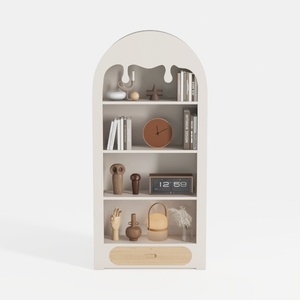
Minimalist Japandi Arched Solid Wood Bookshelf 3D Model
Homestyler is your go-to online platform for effortless home design. With its easy-to-use design tool, stunning 3D renderings, extensive design projects, and helpful DIY video tutorials, you’ll have everything you need to create the perfect space—no experience necessary!
Design Now for FREE





















![[For dear Adelina madee 🤎]](https://hs-designs.homestyler.com/production/design/images/8a07e535-9cbc-4132-a42a-5932dac3a112/1706972286037.jpg?x-oss-process=image/resize,w_502,m_mfit/format,webp)