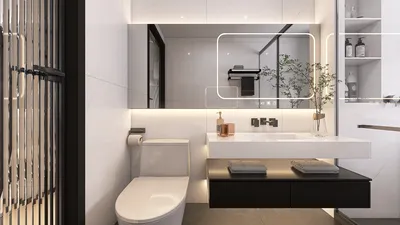


In designing interiors for small spaces, my goal is to create serene, airy environments free from unnecessary clutter. Incorporating the right plants can transform micro-living into a more spacious experience by softening angular edges, introducing vertical elements, and enhancing the overall ambiance, including air quality and acoustics. When it comes to compact settings, the plant’s ease of maintenance, light requirements, and size become more significant than just its name.
Light plays a crucial role in interior design. As per the IES lighting guidelines, general living areas should aim for an ambient light level of 100–300 lux, while work zones often require more. Numerous low-light plants thrive in conditions below 100–150 lux, provided there’s no glare and light exposure remains consistent. The WELL v2 standard emphasizes that adequate daylight and visual comfort can lessen stress while supporting our natural circadian rhythms, thereby enhancing focus and recovery. Plants effectively contribute to this ambiance with their natural fractals and softer contrasts.
The next consideration involves human factors. Research from Steelcase reveals that the presence of biophilic elements can lower physiological stress and boost cognitive functioning in work environments, an insight that translates well to home settings. Garnishing areas around seating or workstations with strategically placed plants can help minimize perceived noise and enhance concentration. The scale, reach, and time needed for plant care are vital; choosing compact plants that grow upright or trail can maintain clear traffic flow and functional surfaces.
Compact Plant Champions: The Most Suitable Plants for Limited Spaces
• Snake Plant (Sansevieria trifasciata): With its tall and architectural foliage, this plant requires just 10-12 inches of floor space while thriving in low to medium light. It’s particularly well-suited for busy hall corners that receive modest illumination.
• ZZ Plant (Zamioculcas zamiifolia): This plant boasts glossy, pinnate leaves that thrive in low light and can store water, making it almost maintenance-free. I often place it beneath bookshelves where light is indirect and space is limited.
• Pothos (Epipremnum aureum): With its trailing growth habit, Pothos is ideal for shelves. In compact living areas, it adds dynamic movement and cleverly conceals cable runs when positioned along walls. It flourishes best in medium, indirect light.
• Philodendron Brasil or Heartleaf (Philodendron hederaceum): Very similar to Pothos in habit but with a softer texture, this variety looks stunning on credenzas and can be pruned for a denser appearance.
• Peperomia (Peperomia obtusifolia and its variations): Known for their compact rosettes and sculptural beauty, these plants thrive in low to medium light with minimal watering needs. Perfect for desks, their leaves add a satisfying tactile element.
• Chinese Evergreen (Aglaonema): Featuring beautiful variegation, this plant enhances the visual depth of neutral spaces. It thrives in medium, indirect light and fits nicely in a 6-8 inch pot, offering color without overwhelming the visual landscape.
• Air Plants (Tillandsia): These unique plants require no soil and occupy minimal space. They can be suspended near a window or integrated into wall niches, making them ideal for limited horizontal surfaces.
• Mini Monstera (Rhaphidophora tetrasperma): For those looking to add a touch of the tropics in compact spaces, this plant offers split-leaf drama at a smaller scale. Encourage vertical growth to preserve floor space.
Optimal Plant Placement in Small Rooms
I prioritize mapping out circulation paths before integrating greenery along vertical surfaces: in corners, on wall shelves, and near window frames. Floating shelves above seating can accommodate trailing plants, while narrow pedestals provide a perfect spot for a tall snake plant that reflects the light from nearby floor lamps. If you’re experimenting with plant arrangements, utilizing a room layout tool such as Homestyler can simulate sightlines and reach before committing to installations or purchases:
interactive room layout tools like Homestyler
Illumination, Color, and Comfort Considerations
• Light levels: For north-facing rooms, place shade-loving plants within 3–5 feet of windows; in east/west-facing spaces, using sheer curtains to diffuse sunlight can help prevent leaf scorch.
• Color psychology: According to Verywell Mind, green is linked to tranquility; I prefer rich green shades in work areas to reduce visual stress and use variegated plants social zones to introduce subtle vibrancy.
• Glare management: Tall plants can serve as natural buffers; positioning one near a bright window can break glare on shiny surfaces and screens without obstructing precious daylight.
Planters, Materials, and Care Strategies
Opt for planters with a compact design and stable bases—such as tapered cylinders or slender rectangles. Elevated stands can lift foliage up, enhancing the overall composition while conserving floor space. Terracotta is breathable and helps to prevent overwatering, while glazed ceramic is perfect for humid environments. Adding felt pads under planters protects floors and aids in making micro-adjustments easily. Keeping a weekly care routine of checking soil moisture, rotating plants, and wiping down leaves helps maintain healthy growth and minimizes dust build-up.
Vertical and Hanging Techniques
Hanging plants like Pothos or Philodendron above window frames keeps counters clutter-free, while wall-mounted planters can group smaller Peperomia or air plants into a visually appealing ‘green stripe’ that draws the eye upwards. In narrow hallways, a slender ladder shelf can add a biophilic touch without compromising movement. Ensure 24–30 inches of clear space for circulation and at least 12 inches of reach for switches and handles.
Creating a Microclimate: Managing Humidity, Temperature, and Sound
Most small-space plants are tolerant of common home conditions (40–60% RH, 18–24°C). Grouping plants with similar requirements together is beneficial; placing a tray of pebbles and water beneath can gently elevate humidity without overwatering. Lush foliage can also help minimize high-frequency noise; positioning a leafy plant close to hard edges can dampen echoes. Avoid placing plants directly over radiators or near air conditioning to prevent stress.
Styling: Composition, Rhythm, and Equilibrium
I approach plant styling as a form of art: alternating between upright and trailing forms, repeating leaf shapes, and restricting color palettes to two shades of green plus one variegation. In compact spaces, creating three-touch points—an upright focal point, a trailing shelf plant, and a desktop accent—suffices. Employing odd-number groupings fosters rhythm, and aligning heights with surrounding furniture ensures clean sightlines.
Low-Maintenance Plant List for Busy Lifestyles
For clients who are often away, I typically recommend ZZ plants, snake plants, and Peperomia. These options maintain their shape, resist pests, and tolerate occasional neglect. Using self-watering inserts in streamlined pots minimizes disruption while providing stability without unsightly residues.
Safety Considerations for Pets and Allergies
Many common houseplants can be mildly toxic if ingested, hence it’s prudent to keep trailing species out of pets’ reach. There are non-toxic alternatives available, such as select Calatheas and some Peperomia, which are ideal for homes with pets. Always rinse new plants to eliminate soil dust, thus minimizing allergens in compact environments.
Simple Care Routine Made Easy
• Water: Always check the top layer of soil; thoroughly water, ensuring it drains properly. Most plants on this list prefer slightly drying out between watering.
• Light: Rotate plants weekly for balanced growth and lift blinds midway through the day to avoid hotspots.
• Pruning: Pinch the tips of trailing plants to promote density and promptly remove any yellowing leaves.
• Nutrition: A lightweight, balanced fertilizer given monthly during growing season suffices for compact pots.
Understanding When to Repot
In small living areas, I typically advice repotting only when roots become pot-bound or water pools at the surface. Transition to a pot one size larger, maintaining a similar shape, and opt for lightweight soil mixes to protect shelves. Repotting every 18-24 months is standard for the shortlisted plants.
Frequently Asked Questions
Q1: Which plants thrive in low light conditions within small apartments?
A1: Snake plants, ZZ plants, and some varieties of Aglaonema perform well in low, indirect light settings. Keeping them close to brightly lit walls while avoiding deep, dark corners enhances their growth.
Q2: What level of light is necessary for most indoor plants?
A2: Many compact species flourish in the range of 100–300 lux ambient light, with brief peaks being acceptable. If leaves appear pale or elongated, consider relocating them closer to a window or adding diffused lighting.
Q3: How can plants be arranged to avoid clutter?
A3: Focus on placing greenery along vertical surfaces—corners, shelves, and window edges. Using one upright focal point, one trailing plant on a shelf, and one tabletop feature maintains a balanced visual appearance and facilitates movement.
Q4: Which plants are considered safe for homes with pets?
A4: Safe choices include certain varieties of Peperomia and many Calatheas. Keeping trailing plants out of reach and confirming species safety prior to purchase is crucial.
Q5: Do plants assist with sound control in compact rooms?
A5: Leafy plants can help absorb high-frequency sounds, particularly when positioned near hard surfaces. While they are not replacements for acoustic panels, they can add a comfortable element to the environment.
Q6: How can watering be managed efficiently within a tight schedule?
A6: Incorporating self-watering inserts within your compact planters and organizing plants based on irrigation needs can enhance watering efficiency. Most plants in the list prefer slight drying between waterings.
Q7: What materials are best for planters?
A7: Terracotta aids moisture regulation in drought-tolerant plants, while glazed ceramic is ideal for species that require moisture retention. Prioritize stable bases and use felt pads beneath pots to protect flooring.
Q8: What are the best methods to integrate greenery into a studio without compromising workspace?
A8: Utilize hanging plants, wall-mounted planters, and place upright varieties in tight corners. Simulation with tools like Homestyler before installation can help visualize placements effectively.
Q9: Can artificial lighting sustain plant growth in windowless areas?
A9: Absolutely. A full-spectrum LED light set to operate for 12-14 hours daily can support compact species; ensure position it 12-24 inches above the plants while preventing glare.
Q10: When is it appropriate to repot plants in small spaces?
A10: Repotting should occur when roots are circling the pot or drainage is impaired, usually every 18–24 months. Upgrade to one size larger while keeping the plant’s slim profile intact.



Discover the joy of home design with Homestyler! This user-friendly platform offers an intuitive online design tool, stunning 3D renderings, and a wealth of design projects. Plus, with engaging DIY video tutorials, you'll find inspiration and confidence to transform your space effortlessly.
Design Now for FREE
































