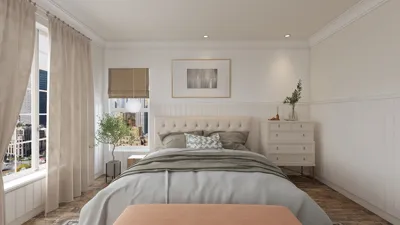


Viewing the pantry door as a high-traffic interface is crucial, influencing not only the kitchen's flow but also storage hygiene, acoustics, and overall visual appeal. An effective design prioritizes durability, light management, and ergonomic features while complementing your kitchen's unique aesthetic. Utilizing tools like Homestyler can be beneficial for visualizing these elements effectively.
Studies consistently demonstrate that well-considered access points significantly enhance daily efficiency. The WELL v2 framework emphasizes the importance of visual connections and quality lighting, indicating that the ideal ambient lighting levels should be between 300–500 lux in task areas to foster clarity and minimize fatigue. Moreover, managing glare is vital (WELL v2). Research by Steelcase illustrates that intuitive access and streamlined workflows correlate with reduced cognitive load—precisely what a thoughtfully placed, user-friendly pantry door offers (Steelcase Research).
Design Objectives for Pantry Doors
My foundational goals include ensuring safe movement, facilitating efficient access to storage, maintaining cleanliness, and presenting a cohesive visual aspect. Doors should allow for swift entry without obstructing vital kitchen appliances or circulation routes. The finish must be conducive to withstanding fingerprints, steam, and occasional knocks. Additionally, hardware should prioritize ergonomics and resilience. If the pantry also serves as a secondary prep space, acoustic dampening and controlled light transmission should be considered.
Optimal Door Types for Pantry Spaces
• Flush swing doors (hinged): These are dependable and easy to seal against odors. Opt for soft-close hinges to minimize noise.
• Pocket doors: Ideal for situations where space is limited; they provide a sense of tranquility when retracted, though they require precise framing.
• Sliding barn doors: They make a bold design statement and are well-suited for lengthy walls. Utilize floor guides for stability and brush seals to control odors and sound.
• Bifold doors: Perfect for wider openings with constrained swing space; select high-quality pivots to prevent rattling.
• Glass panel doors (frosted/reeded): These allow light in while concealing pantry contents. Pair with dimmable task lighting to alleviate glare in compliance with IES luminance guidelines.
• Louvered doors: Promote ventilation, making them ideal for storing produce or dry goods that benefit from airflow; incorporate fine mesh behind louvers to reduce dust accumulation.
Human Factors and Ergonomics
The door width should accommodate typical load behavior: 30–36 inches is sufficient for basket and tote passage without causing hip rotation strain. Handle heights should fall between 34–42 inches to promote neutral wrist posture; employing a D-pull with 5–6 inches clearance is easier for larger hands and lessens pinch force. For high-traffic pantries, consider soft-close mechanisms and low-operating-force latches to minimize noise and potential repetitive strain injuries. Ensure unobstructed pathways—at least 36 inches for accessible movement—and avoid door swings that interfere with refrigerators or ovens.
Light Control, Glare, and Visibility
Inside the pantry, I aim for an ambient light level of 300–500 lux, with task lighting of 700–1000 lux for labels or shelves when necessary, consistent with IES recommendations for task clarity. Opt for a color temperature between 3000–3500K to maintain the natural appearance of food colors. For glazed doors, choose diffused glass (frosted or reeded) to soften brightness contrasts and reduce glare spikes from downlights. If you select a solid door, consider incorporating a slim vision panel at eye level to lessen the likelihood of collisions.
Acoustic Comfort
Pantries positioned near dishwashers or busy prep areas can greatly benefit from acoustic insulation. Solid-core doors are better at minimizing sound transmission compared to hollow-core options. For sliding configurations, adding felt gaskets and brush seals at the jambs can help reduce rattling and odor seepage. Additionally, consider rubber bumper stops to quiet the closing process and protect adjacent cabinetry.
Material Choices and Durability
I recommend high-pressure laminate or painted MDF with catalyzed finishes for ease of cleaning. If wood is preferred, opt for closed-grain species with protective topcoats against moisture. For hardware, stainless steel or anodized aluminum is ideal for frequent cleaning. Ensure hinges and tracks are rated for high cycle use, as kitchens tend to exceed daily operational demands.
Color Psychology and Visual Harmony
Pantry doors offer an opportunity to either blend in or make a statement. Neutral, low-chroma shades allow the door to recede visually, directing focus towards the cooking area. For a striking effect, deeper hues that anchor the overall design can be utilized. Studies in color psychology indicate that warm, muted tones can amplify comfort and perceived coziness—an essential aspect for family kitchens (Color Psychology). Coordinate the door color with countertop veining or backsplash details to retain a sense of continuity.
Layout Planning: Door Placement
Position the pantry close to the refrigerator and the prep triangle, ensuring it is not wedged between hot appliances. The door should swing or slide away from primary passage routes. For compact kitchens, simulate circulation paths and clearances with an indoor layout planner—using tools like Homestyler aids in visualizing swing arcs, pocket configurations, and shelf access before finalizing construction.
Safety, Ventilation, and Odor Management
For pantries filled with spices or small appliances, incorporate low-noise ventilation or a passive grille. Louvered doors paired with internal mesh can facilitate airflow while controlling dust. When storing cleaning supplies, utilize a solid-core door with a reliable seal, ensuring that the area is well-ventilated to prevent odor from mingling with food.
Smart Access: Hardware and Technology Advancements
Reliable and quiet hardware is essential. Magnetic latches ensure a smooth closure without slamming. Soft-close systems on sliding doors prevent bounce-back effects. Where hands are often occupied, a touch-latch or lever handle can offer ease of use. Installing motion-activated LED tape inside the pantry simplifies retrieval; ensure that the Color Rendering Index (CRI) is 90 or above for accurate food identification and compliance with bright glare near the threshold.
Solutions for Small Spaces
• Pocket doors reclaim valuable space in slender kitchens.
• Bifold doors minimize obstruction while revealing expansive shelves.
• Mirror-clad doors both open up the space visually and serve as quick outfit checks in open-plan settings.
• Tall, narrow doors create a vertical rhythm that can enhance the perception of ceiling height; combine them with slim stiles and rails for effect.
Style Combinations
• Contemporary: Flush, full-height doors with minimalistic hardware and matte finishes.
• Transitional: Shaker-style frames with sleek stiles and frosted glass inserts for illumination.
• Rustic/Industrial: Wooden barn doors complemented by black steel tracks, with functional brush seals included.
• Classic: Paneled solid-core doors paired with polished nickel hardware and soft-close features.
Installation Considerations
Ensure frames are plumb and square; pocket doors require straight cavities with reinforced headers. Add blocking for heavier hardware components. For sliding systems, utilize floor guides to prevent swaying and protect finishes. Seal edges to guard against humidity damage. Finally, test door functionality with loaded shelves to understand real-world weight implications on circulation paths.
Frequently Asked Questions
30–36 inches supports smooth passage of baskets and totes without uncomfortable twisting. Wider openings benefit from bifold or sliding systems to minimize obstruction.
Yes, as long as privacy is maintained. Frosted or reeded glass allows light while keeping clutter out of view. Pair with controlled interior lighting (aiming for 300–500 lux ambient) to minimize glare.
Select solid-core doors, soft-close hinges or tracks, and add felt gaskets or brush seals to ensure quiet, consistent closure.
For serene kitchens, utilize neutral tones to help the door blend in. For a statement piece, opt for deeper shades that complement your backsplash or countertop accents.
They can be effective with high-quality tracks, floor guides, and seals to manage swaying and odors. Ensure there is enough wall space for complete slide-open functionality.
Aim for 300–500 lux ambient light levels combined with focused task lighting for labels. Keep color temperature around 3000–3500K and aim for CRI ≥90 for accurate food identification.
Maintain a clearance of 36 inches for movement and steer clear of door swings overlapping with fridge or oven doors. Consider using a layout simulation tool to visualize arcs and pathways.
Options include painted MDF with catalyzed finishes or high-pressure laminate, both of which withstand frequent cleaning. For hardware, stainless steel or anodized aluminum is recommended.
Louvered doors with internal mesh allow for passive airflow while limiting dust ingress. Ensure that odor-heavy items are sealed and consider placing a discreet grille near the floor.
In smaller kitchens, yes. This option eliminates the need for swing space, creates more streamlined sightlines, and enhances circulation—provided the cavity is constructed straight and sturdy.
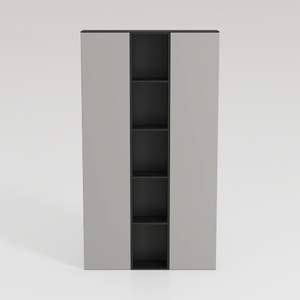


If you're looking to elevate your home design experience, try Homestyler! This exceptional platform offers an easy-to-use online design tool, stunning 3D renderings, and a wealth of DIY video tutorials. Create, visualize, and execute your dream home design effortlessly.
Design Now for FREE
































