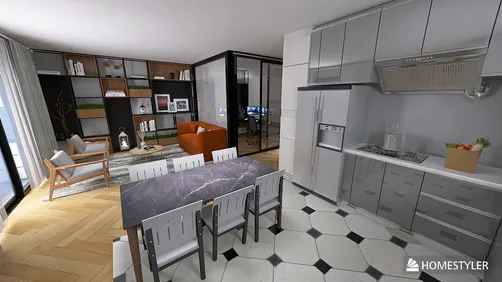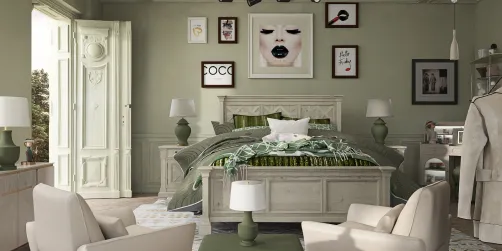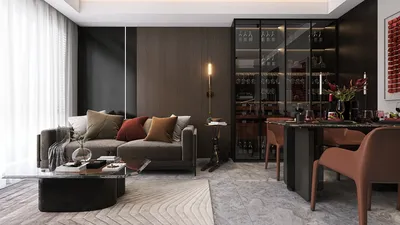



In January, I once agreed to help a client with their compact sunroom, believing it was a “mild” 40°F day. However, the paint took two days to dry, leaving tracks reminiscent of a snowplow. Working in small spaces quickly instills both humility and creativity. I've since learned to incorporate temperature as a crucial design factor rather than an afterthought. For room planning inspiration, I often refer to layout cases to understand how color and light play together before I even pick up a brush.
1. Target the ideal temperature range of 50–85°F (10–29°C)
Most latex and acrylic paints perform optimally when both air and surface temperatures stay within the range of approximately 50–85°F (10–29°C). This temperature window strikes a balance between drying time and film formation—too cold may hinder proper curing, while excessive heat can lead to rapid solvent evaporation, resulting in visible brush strokes.
It's straightforward: if temperatures fall outside of this range, be prepared for a delayed process or opt for products designed for extreme conditions. I've painted during early spring and learned through experience that being patient or using the right product is far better than rushing the drying process.
save pin
2. Pay attention to humidity and dew point
Temperature isn't the sole factor; humidity and dew point are also crucial components. High humidity (above approximately 70%) can slow drying and create a tacky surface, while painting when surfaces are close to the dew point can lead to condensation and poor adhesion.
For small, poorly ventilated rooms, I often bring a dehumidifier or refrain from painting during the cooler dawn or evening hours. Although it requires an extra step, it avoids the headaches of peeling paint and additional work later on.
save pin
3. Opt for fast-drying formulas for quicker projects
If a quick turnaround is essential—say, a weekend refresh in a rental—select a fast-drying water-based enamel or acrylic that provides good leveling. These products allow for sooner application of a second coat while minimizing disruption, which clients often prioritize.
However, speed doesn’t always equal smoothness: some quick-dry products may exhibit more brush marks, so conducting a test first is advisable. In busy areas like kitchens where downtime is a concern, I often fuse product selection with thoughtful layout planning, analyzing kitchen layout examples to optimize timing around appliance movements.
save pin
4. Utilize temperature strategies for compact spaces
In smaller rooms, controlling the environment is more manageable: using a safe space heater to raise the ambient temperature slightly, ceiling fans to improve air circulation, or heat lamps placed at a safe distance (be cautious not to aim them at wet paint). These methods can expedite the curing process, although excessive dust and rapid evaporation can be drawbacks if taken too far.
I once heated a condominium to 70°F overnight to fast-track paint curing before a photoshoot—it worked beautifully. Still, I make it a priority to double-check safety and ventilation measures now. A small electric heater along with a fan can often be more economical than renting specialized climate control equipment.
save pin
5. Conduct a test patch and visualize before fully committing
Both temperature and light can influence color appearance. I always create a test patch in the same temperature and humidity conditions as the intended paint application, then observe it for 24 to 48 hours. This helps reveal how sheen, depth, and drying behavior manifest in real-world conditions.
If you're torn between colors or finishes, consider utilizing a quick digital mock-up or a 3D floor visualization with tools like Homestyler to preview how the room will look in various lighting environments before fully committing to a coat of paint. This small investment of time can save you hours of repainting later.
save pin
FAQ
Q1: What temperature is optimal for painting house exteriors?
A: Most exterior latex paints should be applied at temperatures ranging from 50–90°F (10–32°C) with low wind conditions and limited humidity. It's best to avoid painting if rain is forecasted within the next 24 hours to ensure proper curing.
Q2: Is it possible to paint when the temperature is below 50°F (10°C)?
A: Certain specialized low-temperature paints enable application down to about 35–40°F (2–4°C), but these require careful selection of both surface preparation and product; otherwise, you may run into adhesion and film formation issues.
Q3: How does humidity influence drying time?
A: Elevated humidity can slow down water evaporation, extending tacky phases; typically, ideal indoor humidity for painting is below 60–70%. Implementing fans or dehumidifiers is beneficial in smaller spaces.
Q4: Is it acceptable to hasten drying using heaters?
A: Yes, when done moderately and safely alongside proper ventilation, it can assist the drying process. However, excessive heat can result in poor leveling and more noticeable brush marks. Always keep heaters at a safe distance from wet paint and any surrounding materials.
Q5: When is the most favorable time of day to paint?
A: Mid-morning to mid-afternoon typically offers the best conditions—temperatures tend to stabilize above the dew point, and there's ample time before evening cooling and condensation set in. It's wise to avoid early morning and late evening painting during unpredictable weather patterns.
Q6: Do oil-based paints have different temperature requirements?
A: Oil-based finishes generally tolerate a slightly broader range of temperatures and often perform better than some waterborne alternatives in cooler conditions. However, they still need sufficient time to oxidize and cure; always refer to the manufacturer's instructions closely.
Q7: How long should the wait be between coats?
A: The necessary waiting period varies based on the product and environmental conditions: for fast-drying acrylics in warm, dry settings, waiting 2–4 hours may be sufficient, while cooler or humid environments may necessitate waiting of up to 24 hours. When in doubt, adhere to the recoat guidelines provided on the paint label.
Q8: Where can I locate manufacturer recommendations for ideal temperatures?
A: Consult the technical data sheet from paint manufacturers; for instance, Sherwin-Williams stipulates that many latex paints be applied within the temperature range of 50°F to 90°F (10°C–32°C), depending on the specific product in question (refer to Sherwin-Williams technical documentation).
save pin
Homestyler's roots trace back to Autodesk, the global leader in design and engineering software. That heritage lives on in every feature we build. Today, with a community of more than 20+ million registered users (platform data, 2026) worldwide, Homestyler continues to make professional-quality interior design accessible to everyone — from first-time decorators to seasoned architects.
Homestyler is your go-to online home design platform that makes creating your dream space easy and enjoyable. With its user-friendly design tools, stunning 3D renderings, and a wealth of DIY video tutorials, you’ll find inspiration and guidance to transform your home effortlessly.
Projete agora para LIVRE






















![[For dear Adelina madee 🤎]](https://hs-designs.homestyler.com/production/design/images/8a07e535-9cbc-4132-a42a-5932dac3a112/1706972286037.jpg?x-oss-process=image/resize,w_502,m_mfit/format,webp)