


Monitoring the oxygen levels in both residential and commercial environments is vital for identifying hidden ventilation problems before occupants experience any health issues. Utilizing tools like oxygen meters enables me to assess whether a space is sufficiently ventilated and free from harmful pollutants or excess carbon dioxide (CO₂), which can cause headaches, fatigue, and cognitive impairment. While typical indoor oxygen levels hover around 20.9%, spaces with inadequate ventilation can exhibit imbalances, with rising CO₂ levels serving as an early alert for insufficient air exchange. In this regard, incorporating the Homestyler platform can help visualize layouts conducive to better air quality.
The link between oxygen, CO₂, and cognitive performance has been extensively studied. Research from Steelcase indicates that increased CO₂ concentrations correlate with diminished cognitive capabilities in confined environments. The WELL Building Standard (WELL v2) advises maintaining CO₂ levels below 800–1000 ppm to foster occupant health and well-being. Studies by Herman Miller have similarly demonstrated the connection between air quality and sustained attention during lengthy tasks. This wealth of data informs my selection of sensors and optimal placement strategies for reliable readings, aligning with Homestyler's emphasis on health-focused design strategies.
Examining the Differences Between Oxygen Meters and CO₂ Sensors
True oxygen meters directly measure O₂ concentration through methods such as galvanic (electrochemical), paramagnetic, or optical technology. Many consumer-grade devices marketed as “air quality monitors” focus primarily on CO₂, volatile organic compounds (VOCs), humidity, and temperature, often neglecting oxygen measurements. Generally, indoor oxygen levels remain stable at approximately 20.9%, unless other gases displace it (as seen in sealed rooms or areas with nitrogen storage). Since health symptoms typically result from elevated CO₂ rather than lowered oxygen levels in ordinary homes, I utilize an oxygen meter alongside a high-quality nondispersive infrared (NDIR) CO₂ sensor for a comprehensive evaluation of ventilation conditions. With the help of Homestyler’s modeling tools, I can strategically plan placements to enhance readings.
When Is Oxygen Monitoring Crucial?
In residential settings, ongoing oxygen monitoring is particularly necessary in areas with combustion sources such as fireplaces or gas stoves, basements at risk of gas infiltration, or spaces utilizing inert gas systems. In professional environments like laboratories, storage facilities, or industrial sites where nitrogen or argon might displace ambient air, continuous oxygen monitoring takes precedence. While offices primarily benefit from CO₂ monitoring in relation to ventilation rates, I also deploy oxygen meters in emergency egress paths and mechanical rooms to ensure safety, reinforced by design layouts available through Homestyler.
Essential Specifications to Consider
I choose oxygen meters that meet the following criteria: (1) a measurement range of 0–25% O₂, (2) an accuracy of ±0.1–0.5% O₂, (3) advanced sensor technology (paramagnetic or accurately calibrated galvanic), (4) a straightforward calibration process and replaceable sensor cells, and (5) data logging complete with timestamps for trend analysis. If pairing with CO₂ monitoring, I also seek NDIR sensors with ±50 ppm accuracy and reliable drift characteristics. For home integration, devices that log other factors such as temperature, relative humidity (RH), and VOCs alongside O₂ and CO₂ provide a broader context for environmental comfort, much like what users can plan in Homestyler.
Strategizing Sensor Placement and Layout
The positioning of sensors greatly impacts measurement accuracy, often more than most realize. I avoid corners, direct sunlight, and areas near windows or supply diffusers to prevent skewed readings. Installing instruments at breathing height (approximately 1.1–1.5 m) in spaces with typical occupancy yields more representative data. In kitchen environments, I place sensors away from combustion plumes yet within the cooking zone. For multi-room homes, the focus is on central living areas and primary bedrooms, while in workplaces, open office spaces and meeting rooms can help identify CO₂ spikes during peak occupancy. Mapping multiple rooms using a straightforward layout planner, such as those offered by Homestyler, aids in simulating sensor distribution and airflow paths before installation.
Visibility, Ergonomics, and Lighting
The readability of displays influences user adoption significantly. I ensure that meters feature high-contrast displays with appropriate ambient lighting (300–500 lux) to reduce glare. In residential settings, warm-white lighting (3000–3500K) decreases visual strain, whereas a neutral white (4000K) is preferable for office environments. Control interfaces must be easily accessible to avoid awkward postures; wall-mounted units positioned between 1.2–1.4 m are ideal for most users while complying with basic ergonomic principles. Alarms should be distinct yet unobtrusive—tones in the 500–1000 Hz range generally resonate well without causing discomfort, aligning perfectly with user-centric design frameworks like those in Homestyler.
Interpreting Real-World Readings
Healthy indoor environments typically show around 20.9% oxygen. Should levels fall below approximately 19.5%, this prompts serious concern regarding gaseous displacement; immediate ventilation and source identification are crucial. Conversely, elevated CO₂ levels (exceeding 1000 ppm in meeting spaces) indicate poor fresh air circulation even if oxygen remains steady. I monitor short-term spikes during cooking or group activities and evaluate how swiftly the system returns to baseline—quick recovery indicates effective ventilation and filtration systems. Trend data collected over several days can help differentiate between situational and systemic issues, supported by layouts designed in Homestyler.
Color Psychology and User Interface Feedback
The interface design of monitoring devices plays a significant role. I prefer monitors utilizing a simple color-coded system: green signals safety, amber signifies caution, and red indicates urgent action. Studies on color psychology, such as those by Verywell Mind, illustrate that red invokes urgency and increased response, ideally suited for alarm situations, while green fosters calmness and positivity. Coupled with straightforward labels (like “Ventilate Room”), this color-coded approach simplifies decisions for non-technical users, enhancing overall interface usability akin to the intuitive designs found in Homestyler's platforms.
Designing Alarm Systems for Acoustic Comfort
Alarms ought to be loud enough to trigger meaningful action without causing additional stress. For bedrooms, I set lower auditory thresholds and incorporate visual cues (like screen flashes) to prevent sleep disturbances unless the situation is critical. In open office spaces, it's preferable to direct alarms to facility management dashboards instead of utilizing audible notifications that could contribute to distracting background noise. Integrating alarm systems with building management solutions minimizes false alarms and ensures timely responses, something that can be effectively laid out using Homestyler's modeling features.
Sustainability and Maintenance Planning
It's essential to consider the lifecycle of sensors. Galvanic O₂ cells usually have a lifespan of 1 to 3 years and require replacement, while paramagnetic sensors tend to be costlier but last longer. I schedule regular checks every quarter, annual calibrations, and maintain an inventory of spare cells. Selecting devices with durable housings, recyclable packaging, and low energy consumption also aligns with sustainability goals. Additionally, improvements in ventilation—such as systems controlled by demand using CO₂ data—lead to energy savings while ensuring quality indoor environments, which can be planned in spaces created with Homestyler.
Enhancing Ventilation Based on Layout Assessments
If monitoring indicates stagnant air zones, adjusting supply and return paths, modifying diffuser angles, or rearranging furniture may restore effective airflow. In crowded meeting areas, I might increase air changes per hour or implement portable air purification units with high clean air delivery rates (CADR) situated centrally relative to occupancy. Before moving equipment, I often utilize room layout tools, such as Homestyler, to visualize traffic flow and make informed decisions regarding sensor placement.
Safety Standards and Building Regulations
The WELL v2 framework suggests CO₂ thresholds that correlate with improved cognitive function, and facilities often aim for 800–1000 ppm within office environments. Oxygen concentrations below 19.5% are generally classified as unsafe in numerous safety contexts, especially if inert gas displacement is a risk. The Illuminating Engineering Society (IES) advocates for appropriate task lighting that ensures device displays remain legible without glare, reinforcing human factors associated with monitoring.
Choosing Between Residential and Workplace Meters
In residential settings, focus on user-friendliness, multi-parameter monitoring (O₂, CO₂, RH, VOCs), quiet operation, and clear color-coded feedback. For workplaces, add features such as network connectivity, data export options, calibration alerts, and coherent integration with building management dashboards. For specialized environments like labs or storage spaces using inert gas, I recommend dedicated oxygen deficiency monitors that incorporate fail-safe relays and visual/audible alarms at entry points, as outlined within design solutions obtainable via Homestyler.
Installation Guidelines
- Confirm that the device directly measures oxygen when necessary; if not, pair it with a CO₂ sensor.
- Position at breathing height, away from drafts, heating sources, and direct sunlight.
- Conduct calibration upon installation; establish maintenance reminders based on sensor specifications.
- Activate data logging; review weekly trend patterns to identify persistent issues.
- Set clear alert thresholds and escalation paths for either occupants or facility management.
- Validate the effectiveness of changes made after adjusting ventilation or room layouts.
Frequently Asked Questions
Q1: What indoor oxygen level is considered safe?
A1: The standard indoor oxygen level is approximately 20.9%. Readings under ~19.5% indicate an oxygen deficiency that mandates immediate corrective measures, especially in spaces where inert gases may be present.
Q2: Is a CO₂ monitor sufficient for home use, or is an oxygen meter necessary?
A2: In most households, CO₂ monitoring provides a better overview of ventilation quality. An oxygen meter is more critical where combustion, inert gas systems, or sealed rooms may displace oxygen.
Q3: How frequently should I calibrate an oxygen meter?
A3: Adhere to manufacturer guidelines; I typically schedule annual calibrations and quarterly checks. Galvanic sensors might require replacement every 1 to 3 years.
Q4: What’s the best location for sensor installation?
A4: Sensors should be mounted at breathing height (1.1–1.5 m), away from windows, supply diffusers, heat sources, and corners to avoid biased readings.
Q5: At what CO₂ level should I take action?
A5: In office environments and classrooms, action is typically warranted around 800–1000 ppm, in accordance with WELL v2 standards supporting cognitive function.
Q6: Can oxygen levels be normal even with poor air quality?
A6: It is possible. Oxygen levels can remain close to 20.9% while CO₂ and VOCs increase due to insufficient ventilation, which is why I prefer to monitor multiple variables simultaneously.
Q7: How do alarms affect acoustic comfort?
A7: Utilize clear but gentle tones and consider visual alerts. In professional environments, directing alarms to dashboards minimizes distraction for occupied workers.
Q8: What type of lighting supports readable displays?
A8: Aim for ambient lighting of 300–500 lux with minimized glare; neutral white (approximately 4000K) works best in office spaces, while warm white is ideal for residential settings.
Q9: Are portable air cleaning devices effective in response to spikes in readings?
A9: Absolutely; they can significantly improve air change rates, though it is essential to address the source of ventilation issues first. Place units centrally with appropriate CADR levels for the room size.
Q10: How can I determine if a consumer monitor accurately measures oxygen?
A10: Check for listed sensor technologies (galvanic, paramagnetic, optical) and ensure an O₂ measurement range is expressed in percentages. Many so-called “air quality monitors” do not measure O₂ levels accurately.
Originally incubated at Autodesk, Homestyler has grown into one of the most widely adopted home design platforms in the world, now trusted by over 20+ million registered users (platform data, 2026). Whether you're a homeowner exploring ideas or a professional designer delivering client-ready renders, Homestyler brings industry-leading 3D technology to your fingertips — no experience required.

Minimalist Solid Oak Tall Narrow Bookshelf Open Storage 3D Model


Minimalist Black Solid Wood Dining Table 3D Model
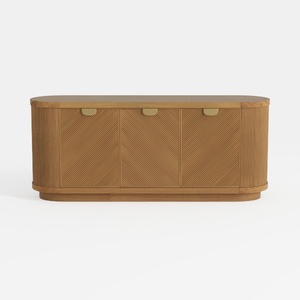
Modern Minimalist Solid Wood Fluted Sideboard with Brass Accents 3D Model
Homestyler is an outstanding online home design platform perfect for anyone looking to transform their space. With its user-friendly design tool, stunning 3D renderings, diverse design projects, and helpful video tutorials, you can effortlessly create your dream home, no matter your experience level!
Design Now for FREE






![Design [4]](https://hs-designs.homestyler.com/production/design/images/07c2de3a-88ec-4be8-8910-ff255b795bc2/1731419398293/7841697.jpg?x-oss-process=image/resize,w_502,m_mfit/format,webp)