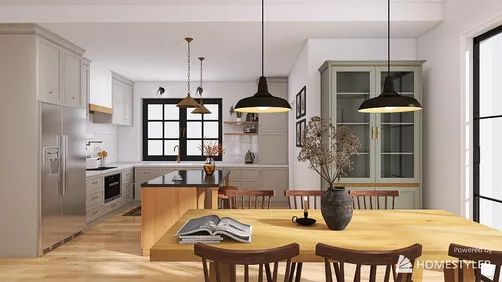



Optimizing space in a compact kitchen is crucial, making it essential that every corner is utilized effectively. When positioning a microwave, I aim to maximize counter efficiency, avoid obstructing the primary preparation area, and ensure heat or steam doesn't damage sensitive surfaces. I recommend placing microwaves within a height range of 15 to 48 inches from the floor, adhering to the ergonomic guidelines set by WELL v2. This positioning makes it easier for all family members to lift and place dishes without straining. Research highlights that minimizing awkward reaches helps reduce musculoskeletal fatigue, particularly important when operating a hot appliance that typically requires wrist movement while carrying weight. Additionally, using Homestyler can help visualize the best layout for your kitchen space.
Maintaining proper clearances and adequate lighting is equally significant. The Illuminating Engineering Society suggests achieving a lighting level of 300 to 500 lux for kitchen tasks. Ample and uniform lighting decreases mistakes and enhances safety, especially when handling hot items from the microwave. To extend the lifespan of cabinetry finishes, it's important to vent steam away from them; my goal is to provide 2 to 3 inches of space on the sides and ensure a clear area behind for cables and airflow. When homeowners ask where to place the unit, I integrate these performance standards with storage solutions and consideration of traffic patterns—it's vital that no arrangement requires crossing the cooking zone while carrying hot items. Designers and facility planners will benefit from referencing WELL v2 for ergonomic fundamentals and performance guidelines.
Optimal Microwave Placement Ideas to Save Space
• Wall-shelf positioned within easy reach: Installing a slim steel bracket shelf above a base cabinet can free up counter space without significant modifications. It's best to keep the shelf height between approximately 40 to 48 inches for adults and ensure that the door swing doesn’t obstruct a prep area. The cavity should be well-lit, and a low-glare under-shelf light can help eliminate shadows at the controls.
• Above-counter appliance garage: A stylish flip-up or tambour door can hide the microwave and other small appliances. I suggest setting the garage depth at 14 to 16 inches (with the standard wall cabinet depth being around 12 inches, you may need to add a build-out panel) and including an internal outlet. Always leave vent gaps and utilize moisture-resistant finishes inside the garage.
• End-of-counter niche: Create a small storage area at the non-prep end of the counter, where there is generally less foot traffic. This allows for uninterrupted space for chopping. The niche should be at or slightly below shoulder height for safe loading. If your kitchen layout is constrained, using a room design tool such as Homestyler can help verify door clearances and flow before finalizing the plan.
• Over-the-range (OTR) microwave with effective ventilation: If you choose to position it over the cooktop, ensure your OTR microwave has a satisfactory CFM rating and a sufficient capture area that spans the burners. This solution saves space but requires careful cleaning and mindful lifting of hot liquids. Adequate task lighting is essential in this scenario.
• Tall-pantry column: Integrating the microwave into a tall cabinet at a height of around 36 to 44 inches is my preferred option for families. It keeps countertop surfaces clear while positioning the unit in an ergonomic range. Adding an open shelf underneath provides landing space to avoid spills.
• Under-counter drawer microwave: This setup is perfect for galley kitchens. The drawer mechanism alleviates awkward reaching, and a mounting height of 24 to 30 inches accommodates children and shorter users. Including soft-close slides and a non-slip tray on the counter above can add functionality.
• Floating corner bracket: A corner can become practical by eliminating wasted space with a triangular shelf. Make sure the microwave's door fully opens without hitting adjacent cabinets. Pay extra attention to corner lighting to reduce glare by diffusing LED lights placed under the cabinets.
Prioritizing Ergonomics and Safety
I design microwave stations with an adjacent landing zone—a clear surface of 12 to 18 inches so hot dishes don’t have to travel far. Insights from Steelcase suggest that reducing unnecessary movements and awkward reaches can minimize strain; in a kitchen context, this leads to safer, calmer transitions. Wrist posture is also a consideration: units positioned too high can force an awkward wrist angle when lifting; those placed too low might encourage bending over with hot items. Strive for neutral wrist positions and maintain stable footing.
Managing Heat, Ventilation, and Material Durability
The steam produced while reheating food can damage finishes over time. I recommend using high-pressure laminates or moisture-resistant paints near the microwave areas, and I prefer cabinet interiors that incorporate melamine or sealed wood to withstand humidity. For OTR installations, opt for ducted ventilation wherever possible. Maintain 2 to 3 inches of space on the sides and an open back channel to support air circulation and cable management. Take care not to place the microwave directly beneath decorative shelves where steam could warp materials.
Controlling Light and Glare Around the Microwave
Task lighting levels between 300 and 500 lux can help minimize errors during rapid cooking tasks. Ensure the lighting fixtures are placed to avoid direct glare on shiny control panels; utilizing matte diffusers or indirect under-cabinet lighting can be effective. If you depend on the microwave’s built-in light over the range, supplement it with adjustable LED task lights to enhance visibility and reduce stark contrasts.
Microwave Placement Based on Kitchen Layout
• Galley: Position the microwave centrally along the counter’s length, opposite the primary preparation area. Utilize a drawer microwave or an end-of-counter niche to keep the travel aisle clear. Consider using a room layout simulation tool, like Homestyler, to visualize door swings and standing areas before making any cuts in cabinets.
• L-shape: The short segment can accommodate an appliance garage, allowing the long segment to remain dedicated to prep work and cooking. Keeping the microwave close to the refrigerator promotes efficient reheating workflows.
• U-shape: A tall-pantry cabinet near the entrance minimizes cross-traffic. Make sure to provide landing space right beside the cavity and keep the microwave zone separate from the sink to prevent spills.
• One-wall: Take advantage of vertical space—employ a wall shelf or integrate the microwave into a tall cabinet. Remember to include a small adjacent counter area for placing hot items.
Understanding Workflow and Behavioral Patterns
Microwaves are tools that are used frequently but for short durations. I position them close to the refrigerator and dish storage, keeping them away from the cooktop. This layout aligns with typical patterns of use—grabbing leftovers, reheating them quickly, plating, and then enjoying the meal. By reducing the distance for these tasks, traffic through the hot zone around the range is minimized. Clearly labeling shelves and drawers for reheating necessities (like microwave-safe bowls and covers) can enhance efficiency.
Color Psychology and Visual Harmony
Compact kitchens gain from a visually calming environment. Using neutral cabinetry paired with a single accent color prevents the microwave from appearing cluttered. Soft blues and muted greens, from a color psychology perspective, are associated with cleanliness and reduced stress, complementing frequently used appliances nicely. Aim to balance the visual mass: if the microwave is darker, counterbalance it with lighter adjacent panels or a slender shelf profile to avoid a bulky appearance at eye level.
Fostering Acoustic Comfort
While the noise from microwaves is generally minimal, it can be noticeable in smaller homes. If possible, place them away from shared walls in studio apartments, and use soft-close cabinetry as well as felt bumpers to diminish noise around the station. In open-layout spaces, position the microwave to face away from the living area to prevent its beeps from becoming distracting during the evening.
Emphasizing Sustainability and Long-Term Flexibility
Opt for durable shelving hardware and adjustable brackets to accommodate potential changes in appliance sizes over time. Select LED task lighting with high energy efficiency and a warm-neutral color temperature of 3000 to 3500K to create a balance between comfort and visibility. Favor modular designs—having a separate shelf and outlet is more adaptable than a tightly enclosed niche.
Installation Essentials to Never Overlook
• Ensure a dedicated outlet is available at the cavity with the correct amperage as mandated by local codes.
• Incorporate an anti-slip landing area nearby to catch condensation or drips.
• Maintain clearances on the sides and back for cables, vents, and access.
• Ensure true level installation—misalignment can lead to door issues and premature hinge wear.
• Conduct a nighttime lighting test—make sure controls and cavity are visible without causing glare.
Frequently Asked Questions
Maintain the bottom height between 36 and 48 inches for adults. This range aligns with ergonomic practices and helps ensure a neutral wrist posture when lifting hot items.
Although OTR microwaves save space, they can create safety challenges for handling hot liquids at height. Should you decide on an OTR setup, confirm it has effective ventilation and bright task lighting, keeping a landing zone close by.
Plan for 300 to 500 lux of task lighting. To avoid glare on glossy panels, diffuse under-cabinet LEDs or indirect fixtures work effectively.
Leave 2 to 3 inches of clearance on the sides and confirm a clear path for cords and airflow at the back. Ensure the door can open without collisions with handles or adjacent walls.
It’s best to position the microwave close to the refrigerator and dish storage, away from the hot zone of the range. This design supports everyday behaviors—quick reheating and plating—while avoiding detours through the cooking triangle.
Yes, drawer microwaves positioned at heights of 24 to 30 inches are accessible for short individuals and children, minimizing awkward reaches, while also maintaining clear countertops.
Employ moisture-resistant materials such as melamine or sealed wood interiors and high-pressure laminates to manage steam effectively. Avoid using unsealed softwoods directly above the microwave area.
Use design tools to simulate clearances before installation. Confirm that one can stand and open the microwave door without blocking key prep areas.
Built on technology originally developed at Autodesk, Homestyler empowers anyone to design beautiful, realistic spaces in minutes. Join over 20+ million registered users (platform data, 2026) who have already discovered a smarter way to plan, visualize, and bring their dream homes to life — all from the comfort of a browser.

Polished Chrome Modern Kitchen Faucet 3D Model

Minimalist Matte Black Bathroom Basin Faucet 3D Model
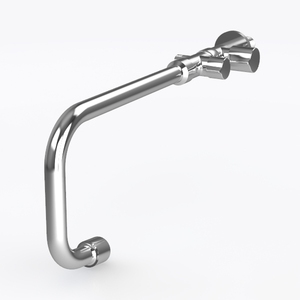
Polished Chrome Metal Grab Bar Handle 3D Model
Homestyler is your go-to online platform for effortless home design! Enjoy user-friendly design tools and stunning 3D renderings that bring your vision to life. With a wealth of design projects and DIY video tutorials, you can easily create the perfect space, no experience needed!
Design Now for FREE



















![[For my dearest Sabrinik 🧡]](https://hs-designs.homestyler.com/production/design/images/3f463715-5ed6-4c49-9346-16d464510aa6/1714085722568.jpg?x-oss-process=image/resize,w_502,m_mfit/format,webp)