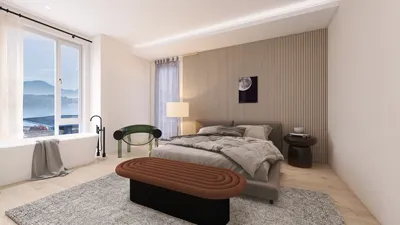


Having specified, installed, and personally used a variety of LPG room heaters in different settings like apartments, cabins, and auxiliary spaces, I understand the key aspects to consider when selecting the right unit. It's essential to find a heater that harmonizes safety, heat output, and air quality while seamlessly matching the dimensions and usage patterns of the room. Achieving this balance goes beyond just choosing a model; factors such as ventilation, placement, materials, and human movement within the space all play a vital role. One effective approach to visualize and design these spaces is utilizing a tool like Homestyler, which can help in planning layouts for optimal heater configuration.
To ensure effective heating performance, it's crucial to align the heater's capabilities with the room's volume and insulation, factoring in comfort standards. According to WELL v2’s Thermal Comfort guidelines, our perception of comfort is influenced by temperature, humidity, air movement, and radiant conditions—all of which can be dramatically shaped by the choice and positioning of your heater (source: WELL v2 Thermal Comfort concept at wellcertified.com). Further research by Steelcase indicates a direct link between thermal comfort and cognitive focus in workplaces, suggesting that enhanced comfort leads to improved work quality and productivity (source: steelcase.com/research). These principles translate to home environments too, demonstrating that a stable, warm atmosphere can minimize distractions and improve routines during the evening hours.
In my experience, the most successful setups utilize sealed-combustion, flue-vented LPG units for bedrooms and living spaces, complemented by CO detection and smart airflow management. Open-flame portable heaters can be beneficial for garages and expansive areas with sufficient fresh air; however, I generally avoid using them in confined sleeping quarters. Below, you will find my top heater recommendations along with strategies for layout and comfort that can enhance the effectiveness and safety of any heating solution.
Top Picks: LPG Heaters for Diverse Room Types
1) Sealed-Combustion Wall-Mounted LPG Heater (Direct-Vent)
Ideal for bedrooms and living areas, these units source air externally for combustion and expel exhaust outside, thus maintaining cleaner indoor air and more stable humidity levels. Look for features such as adjustable thermostats, oxygen depletion sensors, and low NOx ratings. For typical bedrooms or lounges, selecting units with output ranging between 8,000 and 20,000 BTU is recommended, varying by insulation and climate conditions.
2) LPG Radiant Panel Heater (Vent-free, in well-ventilated living areas)
Radiant panels offer gentle, consistent warmth with minimal air turbulence—perfect for relaxing seating areas. Ensure these are only used in spaces maintaining reliable ventilation and equipped with CO monitoring. They are particularly effective during transitional weather, allowing for quick heating.
3) Portable LPG Infrared Heater (Workshop, garage, semi-outdoor)
Delivering high output and rapid heating, these heaters excel in spaces where doors frequently open. They are not designed for small, closed-off areas and are ideal for brief periods where focused heating is required, such as at a hobby bench or in an entryway.
4) LPG Convection Heater with Fan Assist
This type balances broader heat distribution with quicker warm-up times, making it suitable for living rooms with mixed seating. However, be mindful of the fan noise and the need for regular filter maintenance.
5) LPG Fireplace-Style Heater (Direct-vent)
Combining aesthetic appeal with effective radiant comfort and strong zoning control, these heaters work well in reading nooks and lounge areas; just remember to maintain adequate wall clearances and proper flue guidance.
How to Size the Heater: BTU and Room Volume
Begin by assessing the room's dimensions and insulation quality. Generally, a moderately insulated room measuring 200–300 sq ft may need about 8,000–12,000 BTU in temperate climates, while colder regions or poorly insulated spaces might require 14,000–18,000 BTU. For bedrooms, it's beneficial to use lower-output units that operate over longer cycles to minimize temperature fluctuations. Additionally, integrating thermal curtains and door sweeps can help reduce drafts, thus lowering heating demand by 10–20%.
Placement and Layout: Achieving Comfort Without Hot Spots
Position radiant heaters to be directly visible to occupants (ensuring a clear line of sight to seating), while convection heaters should be positioned for optimal air circulation. It’s vital to maintain at least 36 inches of clearance from combustible materials and avoid settings where glossy finishes could cause glare. For more complicated layouts, I frequently use a room layout tool like Homestyler to simulate seating arrangements, circulation paths, and furniture spacing.
Ventilation, Air Quality, and Safety
For bedrooms and compact living spaces, prioritize using direct-vent models. If you opt for vent-free heaters, ensure you have adequate cross-ventilation; a cracked window coupled with an open interior door can help maintain safe oxygen levels. Install CO detectors at head height (not at ceiling height, as with smoke detectors), perform monthly tests, and replace sensors according to manufacturer instructions. Keep dust filters cleaned to minimize particulate matter and odors. Always remember, LPG cylinders should not be stored indoors; they should be placed upright outside or within a ventilated enclosure.
Thermal Comfort and Human Factors
Thermal comfort involves multiple sensory elements. Setting a heater to 70–72°F can feel warmer if radiant asymmetry is minimized—avoiding cold drafts from single hot walls and reducing the impact of cold windows. Layering materials such as wool blankets, thick rugs, and upholstered furnishings with low thermal diffusivity helps diminish the 'cold touch' sensation. I recommend positioning seating 4–6 feet away from radiant sources, steering clear of direct back exposure that can lead to localized overheating.
Lighting, Acoustics, and Visual Balance
Warm LED illumination ranging from 2700–3000K can enhance the sensation of warmth that LPG heating provides, ensuring a more consistent perception of comfort. It’s crucial to abide by IES-recommended task illuminance levels for reading areas, which typically range between 300-500 lux, depending on age and activity (reference: IES standards). Select heaters that operate quietly; if they are fan-assisted, try to position them away from conversation areas to sustain acoustic comfort. Aesthetically, balance the heater’s size with surrounding elements—such as bookshelves, plants, or textured wall panels—to prevent a stark ‘hot focal cliff’ appearance.
Material Selection and Sustainability
Choose low-VOC finishes near the heater to avoid off-gassing when heated. Materials like metal guards and stone or ceramic surrounds resist heat while adding thermal mass to even out temperature fluctuations. Focus on insulation, air sealing, and window treatments as sustainability practices; they effectively reduce the required BTU and running time, consequently diminishing LPG usage and emissions.
Control Strategies and Daily Use
Incorporate programmable thermostats or smart plugs (if the heater supports them) to pre-heat spaces 20–30 minutes before use. For sleeping areas, it's beneficial to program a gentle ramp-down of heat following the onset of sleep to maintain comfort without excessive warmth. In homes with multiple heating zones, consider using the LPG heater as a supplementary source rather than relying on it solely, especially during intense cold spells.
Room Examples I’ve Found Reliable
Small Bedroom (120–160 sq ft): Direct-vent wall unit, approximately 8,000–10,000 BTU, CO detector, thermal curtains, and a quiet fan when applicable.
Living Room (200–300 sq ft): Convection or fireplace-style direct-vent heater, 12,000–18,000 BTU, seating positioned 5–7 ft away, layered rugs, and 2700K ambient lighting.
Studio or Open Plan: Combine a radiant panel with cross-ventilation and a ceiling fan on low reverse to evenly distribute heat without creating drafts.
Installation and Maintenance Essentials
Always hire licensed professionals for flue installations and gas connections. Ensure that pressure testing is conducted, along with verifying the appropriate regulator sizes and clearances. Annual maintenance should encompass burner cleaning, sensor calibration, and leak inspections. Monthly cleanings of grills and panels are recommended, as dust can be both a fire hazard and an odor enhancer when the heater is in use.
FAQ
Select a sealed-combustion, direct-vent unit as it takes combustion air from outside while expelling exhaust outside, thus safeguarding indoor air quality and minimizing moisture accumulation.
In locations with average insulation within a temperate climate, 10,000–14,000 BTU is typically suitable. Heaters may need to be rated between 14,000–18,000 BTU in poorly insulated spaces or colder climates.
I generally avoid vent-free models in compact enclosed rooms. If they must be used, ensure that cross-ventilation is facilitated and that a CO detector is installed. Direct-vent options are typically a more reliable choice.
Vent-free units may increase humidity levels in indoor air, while direct-vent models are more likely to maintain stable humidity. Utilizing a hygrometer and considering a dehumidifier in tight areas is advisable.
Warm LEDs with a color temperature of 2700–3000K greatly enhance the perceived warmth of a space. It's important to maintain IES task lighting standards (around 300–500 lux for reading areas) to minimize eye strain.
A low-speed ceiling fan set to reverse can help distribute heat evenly without creating drafts. For convection heaters, having built-in fans can speed up warm-up times, but consider the noise level in your positioning.
Always store LPG cylinders outdoors, in an upright position, and in well-ventilated areas. Avoid storing them inside living or sleeping areas. Use soapy water, rather than flames, to check for leaks.
Aim radiant heaters toward seating areas from a distance of 5–8 ft, ensuring at least 36 inches of clearance from combustible materials. Avoid placing the heater opposite glossy surfaces that can cause glare and exaggerated heat perceptions.
Establishing thermal comfort can significantly enhance focus levels. Steelcase's findings correlate better thermal conditions with improved task performance, a concept that definitely applies to home office settings too.
Schedule yearly servicing for your heating units to include burner cleanings and safety evaluations. Monthly cleaning of grills is advised, along with timely CO detector sensor replacements based on manufacturer recommendations.
The energy performance will also depend on your local energy resources and the quality of insulation. Improving the building envelope can reduce operational times for any heating system, leading to decreases in emissions and overall costs.
Incorporating earth tones, muted reds, and warm neutrals can further enhance the sense of warmth, adhering to insights gleaned from color psychology relating to comfort and tranquility.
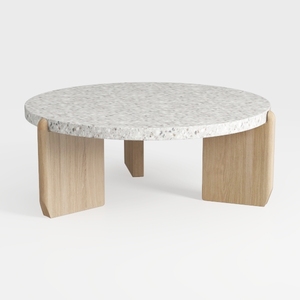
Minimalist Terrazzo Solid Oak Round Coffee Table 3D Model

Fluted 9 Drawers Dresser, 59.1" Wide Modern Chest
Discover the ease of home design with Homestyler! This user-friendly platform offers an online design tool, stunning 3D renderings, and a wealth of DIY video tutorials. Perfect for bringing your creative visions to life, Homestyler makes interior design accessible and fun for everyone!
立即免费设计
































