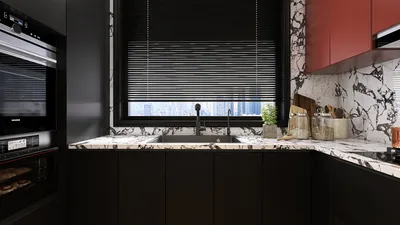


Illuminating a lamp in a pooja room serves as both a sacred ritual and a crucial spatial choice that influences the atmosphere, attention, and comfort. When utilizing Homestyler, I consider the lamp’s positioning, height, and quality of light to ensure that devotion remains serene and undistracted. Beyond cultural customs, the direction of light plays a vital role in shaping visual hierarchy and behavioral outcomes: the orientation of the flame or LED diya, the shadows it produces, and the management of glare around the idol or altar are all critical components.
Research underscores the importance of intentional lighting in spiritual spaces. According to the Illuminating Engineering Society, a balance of low ambient light combined with focused illumination enhances attention on key elements while effectively controlling contrast and glare. Similarly, the WELL Building Standard v2 highlights the significance of glare reduction and visual comfort, advocating for optimal luminance ratios that prevent visual fatigue along with suggestions for shielding and dimming, thus fostering restorative experiences. You can delve deeper into glare management and visual comfort by visiting v2.wellcertified.com.
The behavior and posture during prayer are equally significant. Studies in ergonomics consistently indicate that visual tasks function best with controlled brightness, diminished direct glare, and stable color rendering. For pooja rooms, this involves positioning the lamp to gently illuminate the deity or central symbol, while minimizing direct eye exposure to the flame when one is seated or kneeling.
Guidelines for Lamp Orientation
I direct the lamp towards the deity or altar from a lower angle or at the same height as the altar itself, steering clear of direct glare in the line of sight. The aim is to create a soft, forward wash of light that accentuates form and detail while avoiding any glaring hot spots. It's important to maintain a slight offset—generally between 10–20 degrees off the main viewing axis—so that the flame does not position itself directly in front of the worshipper’s vision when facing the idol. For wall-mounted figures, place the lamp low and forward to gently illuminate surfaces, enhancing depth and shadow detail while ensuring brightness remains subdued.
Considerations for East and North Orientations
Traditionally, it is common to orient lamps toward the east, which symbolizes the sunrise, or north, which is linked with prosperity. When natural light enters from the east, a lamp facing this direction aligns with circadian rhythms. Ideally, I align the primary visual axis—reflecting the typical kneeling or seated stance—with the idol and arrange the lamp so that its illumination enriches the idol's features without causing a glaring bright spot in the eyes. If your altar is oriented towards the east, consider placing the lamp in the southeast or northeast corners of the altar top to create a gentle cross-light that highlights texture and depth.
Managing Glare and Ensuring Visual Comfort
Glare disrupts contemplation rapidly. Shielding the flame with small brass or glass encasements, or utilizing frosted covers for LED diyas, can be beneficial. Maintain the lamp’s height approximately 900–1100 mm above the finished floor when seated on a mat, or at the height of the altar when standing. Strive for a luminance balance where the idol becomes the brightest point of focus, yet only slightly so, allowing the eyes to adjust comfortably. The glare management principles from WELL v2—such as shielding, managing contrast, and dimming—work elegantly in this context; dimming ambient light allows the altar’s glow to guide the view without causing strain on the eyes.
Implementing Layered Lighting in a Pooja Room
I adopt a three-layered lighting approach: ambient, task, and accent. Ambient light is kept low and warm to create a soothing enveloping effect. Accent lighting comes from the lamp itself and a discreet secondary source, like a hidden LED strip placed atop the altar shelf, providing a gentle backlight. Task lighting is minimal and adjustable for reading purposes or preparing offerings. This layered strategy allows the rituals to be flexible while ensuring the flame remains the central emotional focus.
Color Temperature and Material Compatibility
Employ warm color temperatures within the range of 2200K to 2700K to mirror the natural warmth of a flame. Very warm LEDs complement materials such as brass, wood, and stone, enhancing the visual rhythm of the altar design. It’s advisable to avoid bluish light, as it can appear sterile and detract from the sacred atmosphere. For pooja rooms featuring glossy marble, opt for diffused lighting sources and matte finishes nearby to minimize reflective glare.
Height, Distance, and Shadow Projection
Position the lamp close enough to sufficiently model the idol's features while maintaining a distance to prevent harsh edges, generally about 200–400 mm from the primary icon, with adjustments based on size and finish. Shadows should be soft and directional to facilitate visual form clarity. If the lamp is positioned too low, it may induce upward glare; if too high, the intimate glow is lost. Altering the angle to skim surfaces allows inscriptions and textures on metalwork to be revealed without producing sharp reflective highlights.
Safety, Airflow, and Ritual Dynamics
For oil or ghee lamps, it's essential to maintain distance from fabrics and floral arrangements, provide a stable, non-combustible base, and allow for adequate airflow to preserve a steady flame. Modest wick lengths can prevent flickering and soot buildup. Design pathways of movement to avoid crossing directly in front of the lamp during rituals like aarti, thus maintaining focus and flow.
Planning the Altar Arrangement
While setting up the idol, lamp, and offerings, I check sightlines from both seated and standing positions, simulating light angles before finalizing the design. A layout simulation tool can assist in visualizing glare and focal emphasis, making adjustments swift and accurate. If testing placements, consider utilizing a design tool like Homestyler for interior layouts.
Optimal Setups for Various Types of Rooms
• For compact niches: Position a small brass lamp front-left of the idol, angled slightly inward to cast light on the face; add a subtle warm LED strip above the shelf for gentle backlighting.
• For shelf altars: Center the idol, with the lamp located to the right at altar height and tilted away from direct eye level; using frosted glass can help soften the illumination.
• In dedicated pooja rooms: Consider a floor-standing lamp situated to the east side of the altar, coupled with dimmable ambient wall sconces set at 2200–2400K to ensure unobstructed circulation during rituals.
Balancing Acoustics and Sensory Experience
Sound quality is essential in creating a holistic experience. Utilize soft materials such as rugs, timber panels, or fabric screens to mitigate reverberation, ensuring that chants resonate clearly without echo. Gentle lighting enhances the effect of low background noise, fostering lasting focus. The overall sensory field should feel unified, incorporating warm tones, gentle shadows, natural scents, and a stable flame.
Maintenance for Longevity
Regularly clean soot from lamp housings, trim wicks to maintain steady light, and inspect for oil spills. When using LED diyas, select those with a high CRI (90+) in warm tones to faithfully represent the colors of flowers and metals. Keep dimming options accessible to allow for light adjustments according to the time of day and the type of rituals being performed.
Frequently Asked Questions
Q1. Should the lamp directly face the idol?
A1. Yes, it should point toward the idol or altar, but slightly offset (10–20 degrees) to prevent direct glare in the worshipper’s line of sight and to create softer feature modeling.
Q2. Which orientation—east or north—is more favorable?
A2. East is generally preferred for symbolic reasons and for utilizing natural morning light. North is respected as well. Choose based on your altar’s orientation and sightlines to ensure the flame highlights the focus without undue strain.
Q3. What color temperature is ideal for a pooja room?
A3. Warm lighting within the range of 2200–2700K complements traditional materials and the flame's natural hues. Cooler lights can feel clinical and may lessen the emotional warmth of the space.
Q4. How can I prevent glare from an oil lamp?
A4. Utilize small shades or coverings, position the flame slightly below eye level, and place the lamp off the main line of sight. Maintaining a moderate luminance contrast allows the eyes to adjust comfortably.
Q5. Is an LED diya acceptable for rituals?
A5. Yes, as long as the ritual allows it. Select warm 2200–2400K LEDs with a high CRI (90+) and frosted diffusers, positioning the LED similarly to a traditional lamp to respect the visual hierarchy.
Q6. What is the recommended distance for the lamp from the idol?
A6. Generally, the distance should be 200–400 mm, adjusted according to the idol’s size and material reflectiveness, focusing on creating soft shadows while avoiding harsh reflections on polished surfaces.
Q7. Is layered lighting necessary?
A7. A foundational ambient layer alongside the lamp’s accent lighting is ideal. Incorporating a subtle, dimmable backlight enhances form visibility without overshadowing the flame itself.
Q8. How does acoustics influence the experience?
A8. Softer surfaces can decrease echo, ensuring that chants remain clear and intimate. Quality acoustics synergize with calm lighting to sustain a deeper focus.
Q9. Are there standards that guide visual comfort?
A9. Indeed, guidelines from the IES and WELL v2 suggest glare control, balanced contrast, and dimming to enhance visual comfort. Appropriate shielding and soft focal lighting are crucial in pooja rooms.
Q10. What safety precautions should I take with oil or ghee lamps?
A10. Ensure non-combustible bases are used, maintain significant distances from fabrics and flowers, provide adequate ventilation, and keep wicks trimmed. It's essential to keep movement pathways clear during rituals.


Looking to transform your home design dreams into reality? Homestyler is your go-to online platform! Featuring an intuitive design tool, stunning 3D renderings, a wealth of design projects, and helpful video tutorials, it's perfect for every DIY enthusiast. Start creating today!
Zaprojektuj teraz za darmo
































