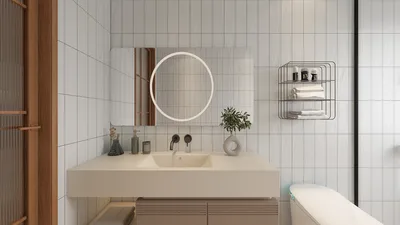


When measuring the height of your kitchen tap, it’s essential to consider the user, the sink, and the lighting. The aim is straightforward: position the faucet's spout and handle so that water flows smoothly into the bowl, keeping your elbows relaxed and making tasks like washing fruits or pots effortless. In typical residential kitchens, the ideal setup generally combines a counter height of 34–36 inches, a sink depth between 7–10 inches, and a faucet spout that stands approximately 8–12 inches above the countertop. This arrangement typically places the spout 42–48 inches from the finished floor, depending on the specific sink model and faucet style, while effectively reducing splashing.
Considering ergonomic factors supports these height choices. For many adults, a neutral elbow height measures around 39–43 inches from the floor; keeping the spout at or below this range alleviates shoulder lifting and wrist strain during repetitive tasks. Studies on ergonomics indicate that work surfaces nearing elbow height lessen musculoskeletal stress in your shoulders and forearms. Research by Steelcase has shown that correct task geometry contributes to reduced fatigue when it promotes neutral joint positions—refer to their findings on workplace ergonomics. From a health standpoint, the WELL v2 standard emphasizes minimizing strain through ergonomic designs and user-friendly controls (Feature C04 Ergonomics) as outlined in WELL v2 Comfort guidelines.
Lighting plays a crucial role in how height is perceived and in kitchen safety. According to the Illuminating Engineering Society, a light level of 300–500 lux is recommended for kitchen work areas; effective illumination helps minimize misalignment and splashing while enhancing accuracy. My target is to use glare-free lighting at 3500–4000K, specifically positioning under-cabinet fixtures to eliminate shadows over the sink and faucet. Proper lighting enables users to naturally adjust their posture towards ergonomic ideals.
Core Dimensions: Optimizing Height
For standard installations: a counter height of 34–36 inches above finished floor (AFF), a sink bowl depth of 7–10 inches, and a faucet spout outlet positioned 8–12 inches above the counter work well for most adults. High-arc pull-down faucets typically sit at greater heights; if the peak of the arc reaches 20–24 inches above the countertop, the spout outlet should still remain in that 8–12 inch range for effective water delivery. Measure from the ground to the spout outlet: 42–48 inches is the recommended height for typical home kitchens.
The Impact of Sink Depth on Faucet Height
Using deeper sinks reduces splash but necessitates slightly more reach. For instance, if your sink has a depth of 10 inches, a spout positioned at the higher end of the range (10–12 inches above the counter) can prevent stooping during extended tasks. Conversely, shallower sinks (6–7 inches) benefit from a lower spout to minimize spray and ensure water lands closer to the bowl's center. I often check the fit with a pitcher and a large pot; if water splashes too close to the drain, lower the spout accordingly, and if the pot hits the faucet, elevate it.
User Profiles and Ergonomics
User height is a significant factor. For primary users under 5'4" (162 cm), a countertop around 34 inches and a spout height of 8–9 inches above the counter is ideal. For users between 5'10" and 6'2" (178–188 cm), a 36-inch counter and a spout height within 10–12 inches feels more comfortable. Incorporating wrist-friendly controls is crucial: single-lever faucets reduce ulnar deviation compared to traditional dual valves. These design principles adhere to ergonomics recommendations, favoring neutral angles in both wrists and elbows to minimize cumulative strain; more comprehensive ergonomics guidance can be found at ergonomics.org.
Controlling Water Flow and Splash
Elevated spout heights with high flow rates can exacerbate splashing. Using aerators within the range of 1.5–2.2 gpm, paired with a spout outlet that is centrally aligned over the bowl's midpoint, helps to control turbulence. In undermount sinks, position the faucet so that the stream strikes the bowl's center or just ahead of it. For those regularly washing large sheet pans, be sure to check the clearance under the spout using a 12x18 tray, allowing enough space to tilt and rinse without hitting the faucet head.
Choosing Materials, Finishes, and Maintenance
Options like stainless steel and PVD finishes withstand frequent use and resist spotting near the spout where splashes occur often. The texture of the finish also impacts maintenance; lightly brushed finishes can diffuse light and conceal micro-splatters more effectively than polished surfaces under bright task lighting. For clients who cook often, I recommend a pull-down spray head equipped with magnetic docking and an easy-to-clean silicone nozzle for better performance.
Effective Lighting Strategies Around the Faucet
Aim for 300–500 lux illumination on the sink area. Avoid positioning a single downlight directly over a tall-arc faucet to reduce glare from its curvature and shadows in the bowl. Instead, consider using two small-aperture downlights flanking the faucet or a continuous line of under-cabinet LEDs that direct light towards the work zone. Keeping the color temperature between 3500–4000K ensures color fidelity for fruits and dishes, complemented by a high-CRI light source (90+) nearby during prep; this arrangement adheres to task-illumination recommendations provided by the IES standards.
Creating Visual Harmony and Proportions
A tall-arc faucet can easily dominate the aesthetics of smaller kitchens. To achieve balance, consider the height of the backsplash and wall cabinets to create a cohesive vertical rhythm: a standard 18 inches between the countertop and upper cabinets works well. If the faucet's arc exceeds 24 inches above the counter, it pairs nicely with a backsplash height of 20–24 inches or a visually prominent vertical tile pattern. Keeping the visual mass centered around the sink wall is crucial; strive to align the faucet's centerline with the sink drain and window mullions whenever feasible.
Considerations for Layout
Faucet height is closely tied to the overall layout. For sinks located on islands with seating, ensure a clear sightline past the faucet’s arc so seated guests can view the cook comfortably. In corner sink setups, maintain the spout at a height of 8–10 inches above the counter to minimize splashes in the corner area. When designing zones for preparation, dishwashing, and cleanup, establishing a clear ergonomic flow will help reduce awkward reaches toward the tap. For efficient planning and visualization, utilizing a reliable interior planning tool like Homestyler can assist in simulating sink placements, faucet arcs, and sightlines before any purchasing decisions are made.
Installation Considerations That Matter
Ensure that the mounting holes are correctly aligned with the faucet's base plate to prevent any rotational instability. Also, verify the thickness of the deck; many pull-down models require additional support if the countertop is thin, such as quartz or laminate. If the countertop is significantly thick, ensure that the handle has enough clearance from the backsplash; some single-lever designs typically need 2–2.5 inches of clearance at the back. Confirm the reach by measuring from the spout outlet to the bowl's center, with 8–10 inches generally offering a comfortable distance for most sinks.
Designing for Accessibility and Aging-in-Place
For seated use or planning for aging-in-place, it's advisable to select a counter height of 32–34 inches with a shallower bowl (6–7 inches) and to position the spout 7–9 inches above the counter to minimize reach. Opt for lever handles that require low torque and pull-out sprays that easily dock, making them more user-friendly for individuals with limited grip strength. Furthermore, ensure that your task lighting is dimmable to help reduce glare sensitivity.
Trends for Kitchen Faucets in 2024–2025
Touchless faucets and those with hybrid manual/touch sensors are becoming more mainstream, but the responsiveness of these features is often more critical than their mere presence. Incorporating magnetic docking, durable matte PVD finishes, high-arc pull-down designs with dual spray options, and subtle industrial aesthetics blend seamlessly with contemporary cabinetry. Additionally, features like integrated filtration and laminar-flow modes work to minimize splash and noise while maintaining clear water flow.
Final Checks Before Making a Purchase
I always conduct three tests: a clearance check with the tallest pot, a splash test using a mid-flow rate and a white bowl, and a light test to ensure the proper color temperature and dimming capability. If any of these tests do not pass, consider adjusting the spout height or opting for a different arc profile. The best faucet height ensures a neutral posture while keeping tasks easy and fluid.
Frequently Asked Questions
Q1: What is a standard kitchen tap height from the floor?
A: Generally, with a counter height of 34–36 inches and a standard sink, the spout outlet typically measures 42–48 inches above the finished floor. The precise height may vary depending on the sink depth and faucet style.
Q2: How does my height influence faucet settings?
A: Try to position the spout near your natural elbow height. Shorter individuals often benefit from slightly lower counters or spout outlets (8–9 inches above the counter), while taller users prefer higher counters or spout heights of 10–12 inches.
Q3: Which flow rate is best to minimize splash when using higher spouts?
A: Aerators with flow rates of 1.5–2.2 gpm provide a good balance between rinsing capability and splash suppression. Pair this with a spout that aligns centrally over the bowl.
Q4: Does lighting genuinely affect how height is perceived?
A: Absolutely. Lighting at 300–500 lux in task areas simplifies visibility of the stream and bowl, enhancing hand-eye coordination and reducing messes. Consulting task recommendations via IES standards can further clarify this.
Q5: Are tall-arc faucets a preferable option?
A: They provide additional clearance for pots, but if the spout is positioned too high, they can increase splashing risk. Aim to keep the outlet within 8–12 inches above the counter, regardless of the arc height.
Q6: What considerations apply to corner sinks?
A: For corner sinks, it's advisable to use a lower spout height (8–10 inches above the counter) to control spray effectively. Additionally, check for handle clearance against nearby walls or backsplashes.
Q7: How should I integrate faucet height within my design layout?
A: Utilize visualization tools to evaluate sightlines and clearances. Quick tests with room layout tools can identify conflicts prior to installation.
Q8: Which finishes best resist spotting near the spout?
A: Brushed stainless steel and robust PVD finishes are preferable as they obscure micro-splatters and withstand regular cleaning better than glossy chrome finishes under bright task lighting.
Q9: Is investing in touchless technology worthwhile?
A: Touchless features enhance hygiene, but select sensors that function quickly and do not trigger falsely in reflective lighting. A manual override option is crucial for flexibility.
Q10: How should I adapt designs for aging-in-place scenarios?
A: Opt for lower counter heights, shallower sinks, easy-to-operate handles, and dimmable 3500–4000K lighting to lessen reach and glare, enhancing comfort for seated users.
Q11: What clearance should be available behind the faucet?
A: Most single-lever faucets require 2–2.5 inches clearance behind the centerline to avoid interacting with the backsplash while fully opening the handle.
Q12: Is there a simple test to verify height before installation?
A: Using cardboard templates and a tape measure, confirm pot clearance, stream landing preferences, and handle movement before checking under your specific task lighting situations.
Discover your home's potential with Homestyler! This user-friendly online design platform offers an intuitive design tool, stunning 3D renderings, and a wealth of inspiring design projects and DIY video tutorials. Bring your creative ideas to life effortlessly and transform your space today!
Progetta ora GRATIS
































