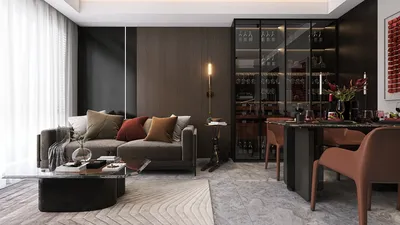


A well-designed counter can elevate a kitchen from functional to seamless. I tailor counter widths and depths based on the way people cook, clean, and congregate—striking a balance between space, reach, lighting, and storage to create a pleasing visual flow. The objective is clear: a surface that accommodates hands, tools, and movement without feeling restricted or excessive.
Data plays a crucial role in informing these design decisions. Recommendations from the WELL v2 standard suggest maintaining around 300 lux of ambient lighting in kitchens, with a need for even greater illumination levels when preparing food (refer to WELL v2 Lighting). This helps determine the appropriate counter depth and positioning of task lighting. In terms of workflow and usability, insights from Steelcase on wellness emphasize how minimizing reach and strain enhances comfort and efficiency—vital considerations when determining how wide a counter should be to ensure everything is easily accessible.
Both color and psychology influence the perception of space. Warm, mid-tone colors create a sense of comfort, whereas lighter, cooler shades can visually enhance cramped galley kitchens; insights from Verywell Mind on color psychology can assist in selecting color schemes for counters and backsplashes. In practice, I integrate these insights with on-site observations regarding how often a home engages in baking, hosting, or cleaning to refine dimensions.
Essential Measurements for Counter Width and Depth
- Typical counter depth is 24 inches (61 cm) from the finished front edge for base cabinets, with an overhang of 1–1.5 inches. This depth ensures comfortable access to upper cabinets and aligns well with most appliances.
- Ideal practical counter widths range from 36–48 inches (91–122 cm) for prep areas adjacent to the sink or range. For shared use like baking, widths of 48–60 inches (122–152 cm) provide ample space without unnecessary steps.
- For continuous runs: In medium-sized kitchens, a length of 72–96 inches (183–244 cm) facilitates meal prepping, accommodating small appliances and plating needs. Include landing spaces near cooking and washing zones.
- Island depth should be 36 inches (91 cm) for cabinet storage on both sides, or 30 inches (76 cm) for single-sided storage. If seating is part of the plan, aim for about 15 inches (38 cm) of knee space.
Clearances That Enhance Width Functionality
- For aisle widths: Allow 42 inches (107 cm) for a single cook; increase to 48 inches (122 cm) if two cooks are often working together.
- In terms of seating clearance: Reserve 44–48 inches (112–122 cm) behind stools to ensure smooth traffic flow.
- For sink and range expedience: Target 18 inches (46 cm) of counter space on at least one side of the sink and 12–15 inches (30–38 cm) on either side of the cooktop. These measurements reduce risky reaches and the need to juggle hot pans.
- For corner designs: In L-shaped kitchen layouts, ensure a minimum of 12–15 inches (30–38 cm) of counter space adjacent to corner appliances to provide sufficient room for handles and elbows.
Considering Ergonomics and Human Factors
I align counter dimensions with the typical reach of users. Most individuals work comfortably within a 20–22 inch (51–56 cm) reach from their body; going beyond that can lead to awkward shoulder and wrist positions. Therefore, a depth of 24 inches is optimal for food prep and appliance accessibility. Alternating task zones—prep, cook, clean, serve—allows for improved standing postures. Maintaining 36–48 inches of clear counter near the sink facilitates an efficient workflow for chopping, rinsing, and waste disposal, reducing both steps and the likelihood of spills.
Integrating Lighting with Counter Dimensions
- For the beam spread of task lights: With 24-inch deep counters, under-cabinet lighting should uniformly illuminate the entire depth; place the light source towards the cabinet's front to reduce glare on the backsplash.
- Regarding illuminance: Aim for 500–750 lux on work surfaces for precise preparation, while ambient lighting should remain around 300 lux, as per WELL v2 recommendations. Effective task lighting allows the use of narrower widths without compromising safety or accuracy.
- The ideal color temperature: A range of 3000–3500K provides a warm yet accurate appearance for food. A Color Rendering Index (CRI) of 90+ helps with distinguishing between food textures and freshness, especially on deeper counters that might accumulate shadows.
Material Selections That Enhance Your Counter Width
- Lightweight but sturdy surfaces (such as sintered stone or engineered quartz) allow for broader spans and fewer seams, promoting a cohesive design for 48–96-inch sections.
- When it comes to edge profiles: A subtle eased or pencil edge is user-friendly on regular touch points and minimizes chipping on slender overhangs.
- With regards to surface reflectance: Semi-matte finishes effectively manage glare from bright task lighting on deeper counters.
Behavioral Patterns in Cooking, Baking, and Entertaining
- For everyday cooking: Prioritize a 36–48-inch prep space near the sink and a 24–30-inch area next to the cooktop. Ensure that knife storage, cutting boards, and waste disposal are conveniently within this width.
- In baking scenarios: Design a continuous 48–60-inch space for rolling dough and placing cooling racks. Consider lowering this segment to 33–34 inches for those who frequently bake.
- When entertaining: Increase serving widths on islands to 60–72 inches to showcase dishes, beverages, and small appliances without creating clutter. Set aside separate space for cleaning to keep traffic away from cooking areas.
Layout Strategies Tailored to Kitchen Types
- For galley kitchens: Feature two parallel 24-inch counters with a 42–48-inch aisle. Ensure at least one 36–48-inch prep area is adjacent to the sink. When designing, consider running a quick mock-up with an interior layout planner to test flow and appliance access.
- For L-shaped kitchens: Prioritize a 48-inch clear prep space along the longer side. Avoid overcrowding the interior corner with small appliances to maintain usability.
- In U-shaped designs: Strive for a 48–60-inch main prep area positioned between the sink and cooktop. Use base corners for storage while keeping the linear sections free from clutter.
- For island kitchens: If the island serves as the primary prep zone, ensure a clear width of 48 inches on one side, with 15 inches of knee space if seating is included.
Acoustics, Hygiene, and Maintenance Considerations
Wider counters facilitate gatherings, which may increase noise. Soften hard surfaces by incorporating fabric seating, textured rugs (when appropriate), and acoustic wall features near dining areas. For hygiene purposes, select non-porous surfaces for frequently used widths, and confine small appliances to a designated 24–30-inch area to simplify cleaning efforts.
Visual Balance and Spatial Proportions
Long counters require visual rhythm: break up 72–96-inch runs with vertical elements like open shelving or a tall pantry to avoid a monotonous appearance. Ensure that the alignment of upper and base cabinetry is precise, so that the 24-inch depth appears intentional. Where islands extend to widths of 60–72 inches for serving, taper the seating side with a smoother curve or waterfall edge to lessen the visual weight.
Color Psychology in Creating Perceived Width
Lighter countertops can create an illusion of spaciousness in smaller areas, while slightly darker bases ground longer stretches. If a galley layout appears cramped, keep the counter light and incorporate a subtly darker backsplash to add depth. A balanced contrast enhances task visibility without causing glare; it is advisable to refer to color psychology research and test paint samples under intended lighting conditions.
Design Trends for 2024-2025 That Are Worth Considering
- Slim forms combined with durable cores allow for wider spans and tighter radii.
- Integrating task features: Power outlets, knife slots, and drainage grooves should be confined to a 6–8-inch band to maintain the remaining 36–48 inches clear for usability.
- Mixed-height counters: A lowered section for baking or seated prep promotes inclusivity without necessitating a complete redesign of the counter run.
Step-by-Step Planning Checklist
1) Determine the primary prep area width: 36–48 inches adjacent to the sink.
2) Allocate landing widths near appliances: 12–15 inches on each side of the cooktop; at least 15 inches near wall ovens or microwaves.
3) Confirm aisle widths: 42–48 inches based on the size of the household.
4) Ensure task lighting is matched to every functional width; confirm lux levels with manufacturer specifications.
5) Designate a 24–30-inch appliance area; refrain from placing small appliances on the primary prep space.
6) Validate the design with a quick digital model using an interior layout tool to check door swings and flow.
7) Finalize the selection of materials and edge styles suitable for planned spans and levels of use.
Frequently Asked Questions
Ensure a 36–48 inch uninterrupted counter segment is positioned next to the sink, allowing for efficient rinsing, chopping, and waste disposal in one streamlined area.
A standard depth of 24 inches is recommended for finished edges, combined with a 1–1.5-inch overhang. This design ensures comfortable access and accommodates typical appliance dimensions.
Make sure to have 12–15 inches on each side for safe utensil handling and staging. More space is beneficial if the kitchen layout allows.
Provide 42 inches of clearance for individual cooks and 48 inches for collaborative cooking, ensuring that doors and drawers function effectively without interference.
For dedicated prep zones, a depth of 30–36 inches is sufficient. For seating areas, allocate about 15 inches of knee clearance along with a 48-inch clear prep width on the working side.
Good task lighting at a level of 500–750 lux enhances precision across all widths, following WELL v2 standards for ambient lighting. Utilize high-CRI under-cabinet lights to minimize shadows on deeper counters.
Materials like engineered quartz and sintered stone allow for runs of 48–96 inches with fewer seams while offering enhanced durability. Use eased edges for comfort and prevent chipping.
Visually break up long 72–96-inch spans by introducing vertical elements or variations in materials/shelf placement, and contemplate a waterfall or radius edge at island ends to soften its appearance.
Definitely—a continuous counter width of 48–60 inches works exceptionally well for rolling and cooling baked goods. A slightly lower height (33–34 inches) can facilitate ease of use.
Maintain a standard counter depth of 24 inches on both sides, a minimum aisle width of 42 inches, and ensure at least one 36–48-inch prep area is adjacent to the sink. Keep small appliances confined within a designated 24–30-inch zone.
Use upholstery with fabric seats, textured finishes, or nearby acoustic elements to help manage reflections when kitchen islands double as gathering spots.
Lighter counters can enhance the perception of space, while darker bases offer stability. Aim for a balanced contrast to maintain visibility at work without creating glare.
Homestyler is your go-to online home design platform! With its user-friendly design tool, stunning 3D renderings, a wealth of design projects, and helpful video tutorials, you can effortlessly create and visualize your dream spaces. Start transforming your home today!
Design Now for FREE
































