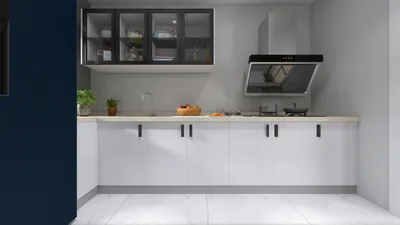


To begin, I take precise measurements of kitchen counters in millimeters, which I then relate to practical lifestyle needs. The conventional standard that most clients encounter—approximately 900 mm—is simply a reference point. The ideal height varies based on the user’s stature, the type of tasks performed, the clearance of appliances, and the lighting conditions. Recent research in workplace ergonomics highlights that the correct work surface height can alleviate musculoskeletal issues and enhance task accuracy; similar principles are applicable in residential kitchens. For instance, ergonomic guidelines from Herman Miller recommend that work heights align closely with elbow level to reduce shoulder strain. Furthermore, the WELL v2 framework emphasizes optimal joint angles for repetitive activities (WELL v2 Ergonomics).
In practical terms, I position primary preparation counters at the user's elbow height minus 25–50 mm to facilitate better leverage while using knives, and I keep areas designated for baking or rolling at a lower height. The use of kitchen surfaces varies according to different tasks: whether it’s preparation, cooking, baking, plating, or cleaning—each aspect benefits from a tailored surface height. Studies in human factors and workflow indicate that appropriately elevated surfaces can decrease fatigue and enhance productivity. Steelcase’s research on workspace posture, while more office-focused, reinforces the importance of minor adjustments to cater to diverse tasks and users (Steelcase ergonomics and posture). Regarding lighting, I aim for task illuminance that aligns with IES recommendations; the Illuminating Engineering Society suggests higher levels (approximately 300–500 lux for intricate kitchen tasks) along with glare management near glossy countertops (IES standards).
Standard Counter Heights in Millimeters
- General-purpose counter: 880–920 mm (often set around ~900 mm). This range accommodates the average adult height for a variety of tasks.
- Dedicated prep area: elbow height minus 25–50 mm. For someone with a 1650 mm eye level and an elbow height of around 1020–1080 mm standing, a prep height of 970–1050 mm generally feels optimal for precise chopping (always double-check with a real elbow-to-counter mock-up).
- Baking or rolling surface: 760–840 mm aids in leveraging for tasks like kneading and rolling, thus minimizing shoulder strain.
- Cleanup/sink areas: 890–940 mm; ensure adjustments for under-mount sink depth to prevent excessive forward bending.
- Taller users (≥1850 mm): consider counter heights of 930–980 mm for general preparation tasks.
- Shorter users (≤1600 mm): opt for 840–890 mm for general preparation.
When a kitchen is used by individuals of varying heights, incorporating tiered surfaces or a split-height island resolves more issues than settling on a single height.
Determining the Optimal Height
1) Measure your standing elbow height while wearing the shoes you normally use at home. Deduct 25–50 mm for general prep and 60–80 mm for more intensive tasks like heavy rolling or kneading.
2) Experiment using a stack of cutting boards to illustrate height changes in 10–15 mm increments. A brief five-minute chopping session can reveal more than any specification sheet.
3) Establish appliance clearances early: consider cooktop thickness, ventilation space, dishwasher door movement, and oven ergonomics. It’s essential to maintain a 200–300 mm safe knuckle clearance from wall cabinets during active chopping.
4) Account for material thickness: stone, adhesive, and substrate can add up to 20–40 mm; however, sleek porcelain slabs may reduce this to approximately 12 mm plus substrate.
5) Coordinate lighting to minimize shadowing: Task lights under cabinets should be placed 50–100 mm from the wall to limit shadows on counters in line with IES task plane advice (IES standards).
Lighting, Color, and Visual Comfort at the Counter
- Illuminance: Aim for 300–500 lux on surfaces, increasing to 750 lux for detailed tasks such as intricate pastry making. Utilize dimmable under-cabinet lighting to adjust levels in the evening.
- Correlated Color Temperature: Opt for a range of 3000–3500K to maintain warm and natural food tones; pairing this with a high CRI (≥90) guarantees accurate color representation.
- Glare reduction: Matte or honed finishes help reduce reflective glare; positioning light fixtures to avoid reflections off polished surfaces is crucial.
- Contrast management: A moderate contrast between counters and cutting boards enhances visual definition and alleviates eye strain—this is particularly beneficial for older individuals whose contrast sensitivity may diminish.
Impact of Material Thickness and Edge Profiles on Height
The thickness of the countertop can influence the perceived height. A 20 mm porcelain surface can feel more accessible, while a 40 mm mitered stone edge increases the point of contact, potentially altering wrist angles. Softer edge profiles offer more comfort to the forearms during extensive prep work. If overall height is a constraint, consider using thinner slabs or designing negative reveals at sinks to maintain ergonomics while enhancing visual interest.
Coordinating Sink, Cooktops, and Appliances
- Sinks: Undermount basins typically sit 10–20 mm below the surface; deeper bowls (≥200 mm) can cause users to hunch over. Elevating the counter by 10–20 mm near sink areas can assist taller individuals in keeping comfortable, neutral shoulders.
- Dishwashers: Adjust the counter so that the open door rests just below wrist level when loading plates. If possible, elevate the dishwasher 50–150 mm in a taller cabinet to minimize bending while ensuring a consistent counter height throughout the kitchen.
- Cooktops: Gas grates elevate 20–30 mm above the counter height. With induction cooktops, the glass surface is flush with counter height, which many users find more comfortable for managing heavy pots.
Single-Level vs. Split-Level Islands
For shared kitchen spaces, I recommend split-level islands featuring a baking shelf at 760–820 mm and a higher prep/serve surface of 900–950 mm. This design honors varied postures and task flows. Additionally, in spaces where entertaining is a focus, it’s beneficial to maintain a section designed at 1050–1100 mm for bar seating and to conceal prep clutter visually.
Understanding Layout, Workflow, and Clearance
Counter height is just one aspect of the overall kitchen experience. Adjacent clearances and circulation patterns are vital for comfort. Aim for 1000–1100 mm between parallel runs to allow two individuals to comfortably pass while another works at the counter. Ensure 400–500 mm landing zones are available on either side of the cooktop when feasible. If you're experimenting with various counter heights and appliance positions, a quick digital mockup utilizing an interior layout tool can help confirm reach and flow in precise measurements.
Color Psychology at Work Surfaces
Warm neutral tones can enhance appetite and promote sociability, whereas vibrant colors might distract during precision-focused tasks. Research highlights that softer, lower-saturation colors help maintain concentration; you can explore the principles of color psychology for deeper insights. For surfaces, I prefer gentle color transitions: cooler grays around cooking areas to visually 'cool down' those hot zones, and warmer taupes in gathering areas where meals are plated.
Acoustics in Hard-Surface Kitchens
Hard materials like stone and tile create echoes in kitchens. If counter height promotes frequent chopping, consider adding acoustic elements: upholstered seating, micro-perforated ceiling panels, or soft rugs in areas away from spills. Quieter environments lower cognitive strain and can indirectly encourage better posture by alleviating tension.
Special Considerations for Kids, Aging-in-Place, and Accessibility
- Kids’ participation: Creating a 700–760 mm auxiliary surface allows children to join in safely without needing footstools. Consider mobile butcher blocks with locking wheels for flexibility.
- Aging-in-place: Implement slightly lower prep heights (840–890 mm) for those with shoulder mobility challenges; maintain toe kicks at 125–150 mm high and 75–100 mm deep for safer use.
- Accessibility for seated users / individuals in wheelchairs: Designate a section 760–865 mm high with 685–750 mm knee clearance below and smooth edges underneath to ensure ease of access.
Emerging Trends for Counter Heights in 2024-2025
- Micro-zoning: Incorporating multiple counter heights within a single island to accommodate various prep, baking, and serving activities.
- Ultra-thin materials: Using 6–12 mm porcelain and sintered stone affixed to lightweight substrates to reach precise heights without excessive bulk.
- Integrated lighting: Implementing linear task lights concealed in upper cabinets, alongside matte surfaces to minimize glare at higher illuminance.
- Health-first features: Focus on edge softness, using anti-fatigue mats that blend seamlessly with the flooring, and installing foot rails at islands to diversify standing posture.
On-Site Testing Using the 15-Minute Rule
Before finalizing any dimensions, I conduct an on-site simulation. I stack sample boards to the proposed height, chop vegetables for five minutes, knead dough for another five, and then wash dishes for five. Observing shoulder elevation, wrist angles, and shadow placement during this process helps me hone in on the critical millimeters that truly matter.
Frequently Asked Questions
A default counter height of about 900 mm is widely adopted for general-purpose surfaces. I make adjustments based on user height, appliance requirements, and the variety of tasks at play.
For general prep areas, starting in the 930–980 mm range is advisable. Verify by measuring the user's elbow height and subtracting 25–50 mm, followed by a mock-up with stacks of cutting boards.
Generally, lower heights of 760–840 mm offer improved leverage, leading to more relaxed shoulder positions during activities like rolling or kneading.
Deep sink bowls can increase forward reach and bending. For bowls deeper than 200 mm, you might consider raising the counter by 10–20 mm at that area or opting for a shallower sink.
Aim for 300–500 lux of lighting on the counter surface. Utilizing high CRI (≥90) with color temperatures around 3000–3500K, and minimizing glare with matte finishes and well-positioned under-cabinet lights in line with IES task lighting guidelines is essential.
Absolutely. Split-level islands or dedicated zones (like lower baking areas, standard prep spaces, and elevated bar sections) cater to different users and tasks more effectively.
Rounded or eased edge profiles alleviate pressure on the forearms. Hefty mitered edges add visual weight but may slightly modify wrist angles at the edge.
Choose two distinct zones, such as a lower baking/prep section and either a standard or slightly elevated main prep area. Validate the workflow with a quick digital model using an interior layout planner.
Yes, thicker build-ups effectively raise the touchpoint. For precision, consider utilizing thinner slabs or adjusting cabinet plinths accordingly.
For an informal bar area, a height of 1050–1100 mm pairs well with stool seat heights of 750–800 mm to provide comfortable knee space.
Colors that are softer and neutral enhance visual clarity. Keeping adequate contrast between the counter and cutting boards aids in edge recognition.
To strike a balance for prep and storage access, aim for counter heights around 880–900 mm. Also, preserving a width of 1000–1100 mm for aisles and maintaining 400–500 mm landing areas next to cooktops is crucial.
Select matte or honed finishes, reposition under-cabinet lights 50–100 mm away from walls, and choose diffused optics to soften harsh highlights.
Start by measuring elbow height, then conduct trials in 10–15 mm adjustments, testing with practical tasks for 15 minutes. You will learn the ideal dimension far quicker than from any plans.
What began as an Autodesk innovation has evolved into a design platform used by more than 18 million people around the globe. Homestyler combines powerful rendering, an intuitive editor, and a vast furniture library to help you turn inspiration into photorealistic designs — whether you're redesigning a single room or planning an entire home.
Looking to transform your home? Homestyler is the ideal online design platform for you! With its user-friendly design tool, stunning 3D renderings, and a wealth of DIY video tutorials, you can effortlessly create and visualize your dream spaces. Start your design journey today!
Design Now for FREE
































