

For years, I've focused on optimizing compact areas such as small studios, micro-bedrooms, and cozy offices, where the right heating solution can significantly impact comfort. The Gopi Room Heater stands out when perfectly matched to a room's size, layout, and usage patterns. This guide simplifies the essentials: the heating efficiency for smaller spaces, strategic placement, safety considerations, energy conservation, and factors that affect human comfort including noise, light glare, and thermal zoning. Utilizing tools such as Homestyler can further enhance your room's heating setup by visualizing these elements effectively.
In the realm of heating small rooms, ensuring the correct size and location is just as vital as understanding the wattage. For instance, research by Steelcase reveals that thermal comfort correlates with productivity metrics, indicating that discomfort can hinder performance and the ability to stick with tasks. The WELL Building Standard (WELL v2) emphasizes the importance of controllability and temperature gradients, focusing on how varied conditions should be considered when incorporating portable heaters in shared or compact areas. I always refer to these benchmarks when selecting heating options for tight spaces.
Both noise and lighting have a profound effect on our perception of warmth. Studies in color psychology indicate that warmer tones can enhance feelings of thermal comfort without actually increasing the temperature, which is particularly beneficial when designing small spaces to feel more inviting. Additionally, guidelines from the IES highlight the necessity of managing glare and ensuring optimal vertical illumination; thus, reflective surfaces on heaters or indicator lights should be kept to a minimum in confined areas, especially close to workspaces.
Assessing Heating Capacity for Compact Spaces
Typically, small rooms range from 70 to 200 square feet. A general guideline for moderate climates is to utilize 10 watts per square foot for supplementary heating. For a room measuring 120 square feet, a heater around 1,200 watts generally suffices, provided the insulation is decent and air leakage is minimal. If the ceilings exceed 9 feet or the room has significant drafts, consider increasing the heater's capacity or choosing oscillating or convection models for more even warmth distribution.
- Convection heaters are optimal for maintaining consistent room warmth; they may take longer to heat up but offer more uniform coverage.
- Ceramic (PTC) heaters provide quick heating and efficient self-regulation; they're well-suited for small bedrooms and home offices.
- Infrared heaters offer direct radiant warmth, making them ideal for spot heating (like a reading nook or desk area), though they may create uneven temperature gradients in larger rooms.
Strategy for Placement and Layout
Heat distribution can be compromised if the heater is hidden behind furniture or placed on thick rugs. Maintain an appropriate distance around the unit (usually 3 feet in front and 1-2 feet on the sides; always refer to the product manual), avoid positioning it near curtains, and direct airflow towards the area where people will be present (around 3-6 feet off the ground). For optimal results, position the heater to maximize its throw across the room's length and steer clear of cold drafts from windows.
When reorganization is necessary in a compact room, a quick layout plan can be beneficial. Employing a room design tool like Homestyler allows you to visualize heater placement in relation to seating, sleeping areas, and electrical outlets, thereby minimizing cord stretch, reducing trip hazards, and optimizing heat distribution.
Comfort, Control, and Safety Considerations
Comfort depends on maintaining stable temperatures, minimizing noise, and offering controllable heat options. Seek models with adjustable thermostats, settings for various heat levels, and a fan-only mode for transitional seasons. The safety features should include tip-over protection, automatic shutoff if overheating occurs, cool-touch surfaces, and cords that meet the necessary current ratings.
Position the heater on a stable, hard surface. Avoid using extension cords wherever possible; if necessary, utilize a heavy-duty, appropriately rated cord. Keep the heater away from water sources. In bedrooms, aim to maintain a steady heat overnight at lower settings to minimize noise from cycling and fluctuations in temperature.
Maximizing Energy Efficiency in Small Areas
In compact spaces, reducing thermal loss proves to be more critical than simply investing in a high-wattage heater. Seal drafty windows, install door sweeps, and consider using insulating curtains. For everyday comfort, combine a smart outlet or programmable plug with the heater's mechanical thermostat to schedule warm-ups effectively and prevent extended running times. If your heater features an eco mode, engage it to limit temperature variations while conserving energy.
Fans or cycling relays can disrupt work or sleep quality. Ceramic heaters typically produce less noise. Position the heater away from hard reflective surfaces to minimize perceived sound levels. Incorporating soft furnishings such as rugs and upholstered chairs can help absorb noise and enhance the overall warmth of the environment.
Material Choices, Finish, and Color Considerations
Compact rooms thrive on materials that ensure safety while optimizing thermal behavior: metal grates with adequate shielding, heat-resistant plastics in cooler zones, and solid bases. To enhance visual comfort, opt for matte finishes to diminish glare from lighting. Adding warm color accents (like ochres, terracotta, or soft reds) subtly reinforces the sensation of warmth without requiring extra energy consumption.
Cozy Bedroom Configuration
- Capacity: Between 800 and 1,200 watts for spaces ranging 100 to 140 square feet, depending on insulation.
- Placement: At the foot of the bed or beside seating; avoid directing airflow directly at your face during sleep periods.
- Controls: Utilize lower settings overnight; a thermostat and timer can help prevent overheating.
- Safety: Ensure textiles are a safe distance from the heater and verify that tip-over sensors work appropriately.
Compact Home Office Setup
- Capacity: Between 1,000 and 1,500 watts for areas sized 120 to 180 square feet, while managing drafts effectively.
- Placement: Near the desk but not directly in the main leg zone to prevent hot spots.
- Noise: Opt for ceramic models with steady fans; situate the unit on sturdy surfaces for optimal operation.
- Workflow: Preheat the space 15 minutes before work; keep settings moderate to avoid fluctuations that may disrupt concentration.
Routine Maintenance for Longevity
Regular dust accumulation can impact performance. Clean air inlets with a vacuum every few weeks during peak usage. Ensure grills remain clean and check cords for any signs of wear or damage. Store heaters in a dry area with loosely coiled cords during the off-season. Annually test safety shutoffs to ensure functionality.
Practical Planning Insights
In micro living setups, I often integrate a convection heater with insulating curtains and door sweeps; once drafts are managed, the perceived warmth significantly improves. In studios with many windows, an infrared heater can cozy up a reading nook while the rest of the space relies on a central heating system—adopting a zonal approach can prevent overreliance on a single device.
Expert References
The strategies for thermal comfort align with the features espoused by WELL v2. Research addressing workplace comfort impacts is discussed in Steelcase’s studies focusing on environment and performance. Insights into color psychology regarding warmth perception are thoroughly detailed by Verywell Mind. These resources guide practical decisions without complicating the setup in small spaces.
FAQ
Q1: Which type of heater is suitable for a bedroom between 100 and 140 square feet?
A: A ceramic (PTC) heater with an adjustable thermostat serves as a well-rounded option; it provides quick heating, strong efficiency, and finer control compared to basic coil heaters. Consider a compact convection model if you desire overall consistent warmth.
Q2: How do I determine the right size heater for my small office?
A: Aim for approximately 10 watts per square foot for supplemental heating. Typically, a 1,500-watt unit would be appropriate for a 150-square-foot office. Adjust calculations for insulation quality, ceiling heights, and airflow.
Q3: Is it safe to use the Gopi Room Heater while sleeping?
A: It can be safe to use overnight on lower settings if it possesses crucial safety features—such as tip-over shutoff and overheat protection—and it has a stable base. Ensure fabrics remain clear and avoid using extension cords.
Q4: Where should I position the heater to prevent cold spots?
A: Direct airflow along the room's longer dimension and maintain clear space in front of the heater. Refrain from placing it behind furniture, near drapery, or directly below windows. Using a layout visualization tool can assist in planning placement around other furnishings and outlets.
Q5: How can I reduce heater noise?
A: Opt for heaters with low-noise technology, place them on hard, flat surfaces, and avoid corners that might amplify sounds. Soft furnishings contribute to noise reduction by absorbing ambient sounds.
Q6: What truly effective energy-saving strategies are there for small rooms?
A: Address drafts, utilize insulating curtains, run heaters on moderate settings with timers, and avoid unnecessary heating of rooms if only small zones need warming.
Q7: Are infrared heaters safe to use near a desk?
A: Yes, provided you respect the clearance requirements and the unit is equipped with modern safety features. Angle the heater to warm the occupant without directing heat at electronics or wires.
Q8: Do colors and lighting influence the sensation of heat in a room?
A: Warmer color schemes can enhance the feeling of coziness, and layered, glare-free lighting contributes to overall comfort. Control glare from indicator lights and favor matte finishes near heaters.
Q9: Can I operate a heater alongside a humidifier?
A: Yes, maintaining moderate humidity levels (approximately 30-50%) can enhance thermal comfort during winter, allowing you to keep heater settings lower.
Q10: What maintenance ensures my heater remains efficient?
A: Consistently vacuum intake vents, clean the grills, inspect electrical cords, and test safety shutoff features. Store in a dry, dust-free area during off-seasons to maintain its condition.
Q11: How do I address rooms featuring large windows?
A: Employ insulating curtains, seal gaps effectively, and consider utilizing an infrared heater for the seating area while allowing the remaining space to rely on central heating—this zonal warming approach helps mitigate uneven heating.
Q12: Does oscillation provide benefits in small spaces?
A: Using oscillation can enhance warmth distribution in rectangular rooms, particularly when individuals are frequently shifting between work and relaxation areas.
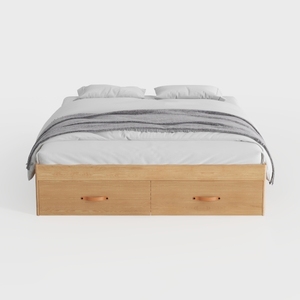
Merax Platform Bed, Full Size Wooden Bed Frame wit


Giantex Twin Over Twin Bunk Bed, Solid Wood Bunk B
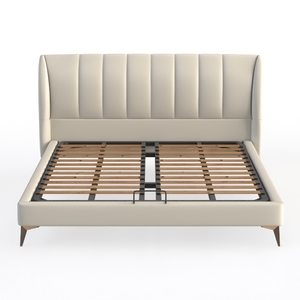
Modern Minimalist Leather Upholstered Platform Bed 3D Model
Homestyler is your go-to online home design platform! With an easy-to-use design tool, stunning 3D renderings, a variety of inspiring design projects, and helpful DIY video tutorials, you can effortlessly transform your home vision into reality. Start designing with Homestyler today!
Design jetzt kostenlos
































