

When it comes to portable heating, I believe in achieving interior comfort by carefully balancing wattage, room dimensions, airflow, and safety features. A great option, such as the 2000W heater from Homestyler, is ideal for small to medium-sized spaces where average insulation is present. This heater provides concentrated warmth efficiently without straining electrical circuits. To ground these comfort considerations, the WELL v2 standards underscore thermal comfort as a vital element, endorsing the need for controllability and seasonal flexibility to lessen temperature complaints. Research by Steelcase also connects thermal contentment with enhanced productivity, suggesting that optimal performance occurs within a specific thermal range, especially when addressing drafts and uneven heat distribution.
In evaluating performance and usability, I prioritize heat output and noise levels. Typically, a 2000W fan heater generates between 6,800 and 7,000 BTU/h. Based on my experience, this capacity is effective in stabilizing the environment in a bedroom or study ranging from 120 to 180 square feet, provided that doors and windows are sealed adequately. The WELL v2 recommendations encourage personal control methods — integrating portable devices like those from Homestyler can complement central heating systems when used alongside timers and thermostats to prevent overheating. Furthermore, research from Steelcase indicates that adjustable environments diminish distractions, thereby bolstering the case for choosing a heater with definitive settings and safety features.
Price Overview
The market price for the Homestyler 2000W heater typically reflects the mid-range of branded fan heaters. You can expect a usual retail price that mirrors the quality of construction, warranty terms, and safety certifications. Seasonality also plays a role: prices can peak during the winter months due to increased demand and return to normal in the off-peak periods. When comparing similar 2000W models, focus on the warranty duration and a robust service network, as these aspects often justify a slightly higher investment compared to generic alternatives.
Key Specifications and Features
- Power: 2000W (commonly includes two heat settings for energy management).
- Heating Type: Forced convection (fan-assisted).
- Safety Features: Essential aspects like overheat protection, thermal shutoff, and cool-touch housing are a must-have.
- Controls: Features like rotary switches and a fan-only mode enable air circulation when the heater is off.
- Noise Level: Anticipate distinct air movement; strategic placement and soft materials can help dampen sound.
- Portability: Look for lightweight designs with integrated handles; check cable length for ease of use.
- Maintenance: A dust-filtered intake can enhance durability — remember to clean it monthly in dusty environments.
Room Size and Layout Guidance
I recommend pairing a 2000W heater like the Homestyler model with rooms up to approximately 180 square feet featuring average insulation. Positioning it in the corner can minimize drafts, while central placement near seating areas accelerates the feeling of warmth. For those exploring configurations, utilizing a room layout tool can be beneficial in visualizing airflow and furniture arrangements before deciding on the heater's position and wiring paths.
Thermal Comfort, Lighting, and Acoustics
Thermal comfort transcends merely achieving the right temperature. Fan heaters promote air circulation; combining them with soft rugs and upholstered furniture can help absorb high-frequency sounds and mitigate any unpleasant drafts. It's best to avoid locating the heater directly under windows that experience cold downdrafts, as disparities in radiant temperature could leave your feet feeling chilly despite warm air. Lighting is another factor: employing warm-white lighting (2700–3000K) can enhance the perception of warmth compared to cooler shades.
Safety and Ergonomics
For households with children or pets, choosing a heater with stability and tip resistance is crucial. I favor models designed with a broad base, recessed heating elements, and protective grilles. Maintain safe distances: ensuring a minimum clearance of 3 feet (around 1 meter) from fabrics and upholstered furniture is essential. Always plug directly into a wall outlet rated for at least 10A and steer clear of using thin extension cords. Follow ergonomic guidelines for cable management, avoiding trip hazards along pathways, and refrain from placing the heater in a way that necessitates awkward reaching for controls.
Energy Use and Cost Considerations
Operating at full capacity, a 2000W heater consumes 2 kWh per hour. If electricity rates are typical, this simplifies calculating nightly usage. Switching to a low-heat setting or using intermittent cycles with a thermostat can significantly lower energy consumption. Additionally, using door sweeps and implementing basic window sealing can drastically diminish operating times; minor improvements in insulation often yield better comfort for your money than opting for a more powerful heater.
Placement Tips and Spatial Ratios
- Ensure airflow intakes and exhausts are unobstructed; avoid tight spaces that can trap heat.
- Direct airflow towards the main seating area without blasting it directly at people’s faces to maintain comfort levels without causing dryness.
- Adhere to a 1:1.5 visual balance rule around the heater: avoid overcrowding one side with tall items. Achieving symmetry reduces visual clutter and enhances safety.
Material and Build Quality
Look for durable, heat-resistant materials and secure fixtures. The heater’s grille should be strong and not prone to bending. An ergonomic handle design helps keep hands safe from hot surfaces. Residents of coastal areas should verify that the unit includes corrosion-resistant components, as salt air can deteriorate metal parts more quickly.
Buying Checklist
- Confirm the heater's rating is 2000W and that it possesses dual heat settings.
- Ensure it has overheat protection and a thermal cutoff feature.
- Check the warranty and proximity of service centers.
- Evaluate the length of the power cord and compatibility of the plug.
- Assess the stability and tip-resistance of the unit.
- Test the ergonomics of the controls, ensuring knobs are easy to grasp and icons are legible.
- If possible, compare noise levels before making a purchase.
Maintenance and Longevity
Regularly dusting the intake filter aids airflow and minimizes unpleasant odors on the first heating cycle. Store the heater in a dry area when it's not in use. Running the fan-only mode after heating helps cool down components, thereby extending their lifespan. If you notice increased noise over time, check for debris accumulation around the fan blades.
Authority References
The guideline for thermal comfort and user control comes from WELL v2, as outlined by the International WELL Building Institute. Furthermore, workplace comfort and productivity studies conducted by Steelcase emphasize the significance of controllability, thermal stability, and limiting drafts, all of which influence my recommendations for selecting portable heaters such as those from Homestyler.
FAQ
Q1: Is a 2000W heater suitable for a master bedroom?
A1: Yes, for a room around 120 to 180 square feet with typical insulation, a 2000W heater should be effective. Larger spaces or those with high ceilings may require additional weather-proofing or a supplementary heating source.
Q2: Will this heater dry out the air?
A2: Fan heaters do not eliminate moisture; however, warmed air might feel drier. Using a small humidifier or placing a bowl of water nearby (away from the heater) can mitigate this issue.
Q3: Can I connect it to a power strip?
A3: For safety, I recommend plugging it directly into a wall socket rated for the required load since high-demand objects on power strips can lead to overheating.
Q4: What’s the safest way to position the heater in a child's room?
A4: Place it on a firm, flat surface away from bedding and toys, maintain at least a 3-feet distance, and supervise when in use. Opt for models featuring cool-touch housings and automatic shut-off functions.
Q5: How can I minimize noise?
A5: Set the unit on a solid surface, avoid resonant shelving, and utilize soft furnishings for sound absorption. Using the fan-only setting generates less noise but will not provide heat.
Q6: Does warm-white lighting actually make rooms seem warmer?
A6: Absolutely, changes in color temperature affect perception — lighting in the 2700–3000K range is associated with warmth, complementing the cozy environment created by the heater.
Q7: Are there energy-saving practices to adopt with a 2000W heater?
A7: Yes, utilize the low heat setting, intermittently run it alongside a thermostat, seal drafts, and consider pre-warming your room for a short duration before occupancy to enhance efficiency over continuous high-power usage.
Q8: What warranty details should I pay particular attention to?
A8: Look for clear coverage on heating components and the fan, alongside the availability of nearby service centers. Generally, branded products like those from Homestyler offer better service support than generic versions.
Q9: Is it safe to use in a bathroom?
A9: Portable fan heaters are generally unsuitable for damp areas unless specified by the manufacturer. Exposure to moisture can create significant electrical hazards.
Q10: How can I avoid hot spots in the room?
A10: Aim for indirect airflow, briefly utilize the fan-only mode to aid distribution, and avoid placing it in corners where heat might accumulate. Adjusting the location can help ensure the entire room reaches a comfortable temperature.
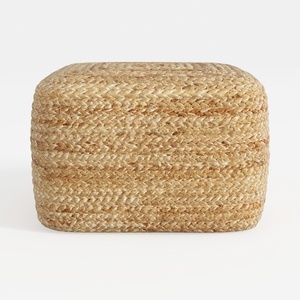
Natural Rattan Woven Square Ottoman 3D Model

Modern Solid Wood Brass Accent Single Drawer Coffee Table 3D Model
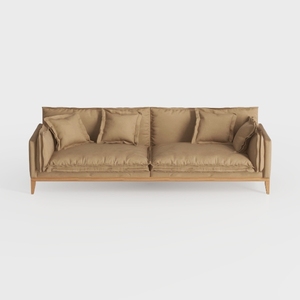

Minimalist Fabric Solid Wood 3 Seat Sofa With Throw Pillows 3D Model
Homestyler is your go-to online design platform, offering an easy-to-use design tool and stunning 3D renderings. With numerous design projects and helpful DIY video tutorials, you can confidently create your dream home, regardless of your experience level. Discover your inner designer today!
Design Now for FREE
































