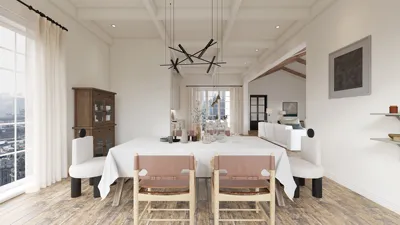


I've always appreciated how a glass-front cabinet can create a sense of openness in a living space, effectively managing everyday clutter. When designed thoughtfully, it harmonizes storage with display potentials, incorporating books, artistic pieces, and cherished glassware into the overall aesthetic of the room. The right selection of proportions, lighting, and hardware significantly influences whether the glass doors appear sophisticated or overly ornate. Integrating tools like Homestyler can enhance this design process.
A sound storage solution should align with the actual usage of the space. Research indicates that individuals spend a significant portion of their time engaged in tasks requiring visual clarity and controlled lighting. This principle applies to home settings, particularly when you're reading or entertaining near glass cabinetry. The WELL v2 Light concept emphasizes that proper lighting levels and glare control enhance visual comfort—key considerations when implementing internal illumination in glass cabinets.
The influence of color and psychology is crucial in display choices. Insights from color psychology highlight that hues like blues and greens can promote serenity, while warm neutrals provide a cozy ambiance. I keep these factors in mind when determining what to showcase within glass cabinets and selecting finishes. Given the multifunctional use of living rooms, I strive for a color palette that fosters relaxation during the evening while maintaining daytime vibrancy.
Proportionality, Rhythm, and Visibility
Begin by considering scale. For rooms with ceilings under 9 feet, I recommend cabinet heights between 72 and 84 inches to maintain open space above. Limiting door widths to 18-24 inches helps reduce visual bulk and minimizes stress on hinges. A straightforward 2:1 vertical proportion creates a rhythm that appears streamlined from any vantage point. Align the cabinet’s mullions with existing architectural features, such as windows or mantels, ensuring a cohesive look rather than a disjointed setup.
Types of Glass: Transparency vs. Seclusion
The choice of glass significantly influences mood and maintenance requirements. Clear tempered glass allows maximum visibility and showcases items beautifully. Low-iron glass eliminates green undertones, making whites and warmer woods look more vibrant. Textured glass, such as reeded or ribbed varieties, offers both character and partial concealment—ideal for creating a softer look when storing diverse items. For families with pets or young children, tempered glass with added protective films reduces the risk of shattering while maintaining clean edges.
Illuminating the Display Without Glaring
I approach interior cabinet lighting as a precise architectural detail. Using linear LED strips with a color temperature between 2700 and 3000K creates a warm atmosphere in the evening; a temperature of 3500K may be appropriate for more modern settings. Position strips along the vertical stiles or the underside of shelves to avoid harsh lighting from above. According to the Illuminating Engineering Society (IES), achieving uniformity and minimizing glare are essential; employing diffused lenses and focused profiles will assist in meeting these standards. Incorporate dimmers to reflect varying needs throughout the day—brighter settings for daytime tasks and lower levels for relaxation during the evening.
For guidance on light quality and well-being, the WELL v2 Light concept serves as a practical reference that can inform residential lighting choices, while IES standards provide insights on maintaining proper illuminance and glare control. Employing these guidelines transforms visually appealing cabinets into comfortable environments that adhere to established criteria.
Hardware, Hinges, and Practical Functionality
Select hardware that complements durability and the tactile experience. Slim tab pulls enhance the visual experience on full-height glass doors, while traditional knobs crafted from unlacquered brass or blackened steel offer tactile engagement on framed doors. Investing in soft-close concealed hinges is beneficial; they minimize vibrations and help protect the glass from minor fractures over time. For cabinets exceeding 48 inches in width, incorporating a center stile or a sturdier frame will prevent misalignment and ensure doors function correctly in humid conditions.
Shelving, Weight, and Display Techniques
Though glass shelves project an elegant image, they must be adequately thick to endure weight—3/8 inch for spans up to 24 inches and 1/2 inch for longer distances. Wooden shelves made from oak, walnut, or ash introduce warmth and can discreetly conceal cable management for accent lighting. I recommend curating displays in thirds: placing books low, sculptural items at mid-height, and lighter glassware toward the top. Deep shelves (12–14 inches) accommodate larger books and baskets, whereas shallower upper shelves (10–11 inches) lessen the chance of items being knocked over when cabinet doors are opened.
Choices in Material and Finish
The material selected for the frame influences both style and durability. Painted hardwood frames are perfect for transitional spaces and respond well to touch-ups, while stained oak or walnut frames lend a timeless quality that complements textured or plaster walls. For a greener option, consider FSC-certified hardwoods, low-VOC finishes, and efficient LED lighting. These choices not only simplify maintenance but also minimize environmental impact.
Acoustic and Behavior Considerations
Glass surfaces can reflect sound, making sizable cabinets amplify energy levels in dynamic spaces. To counter this effect, integrating softer elements such as wool rugs, upholstered seating, and acoustically absorbent curtains is effective. Ensuring doors are fitted with gasketed frames and utilizing soft-close hardware diminishes noise during use. In homes where gatherings are frequent, these adjustments make conversations more comfortable and reduce fatigue over extended periods.
Placement and Layout Considerations
Evaluate traffic flow and sightlines. Positioning glass-door cabinets flanking a fireplace can enhance the visual focal point; ensure that the top shelf is slightly below the mantel to avoid overwhelming the space. In compact apartments, consider placing a tall cabinet near the dining area of the living room to combine display capabilities and storage. Utilizing a room layout tool can assist in visualizing how variations—such as double versus single cabinets or tall against short units—affect circulation, door operation, and sightlines to entertainment areas or windows.
Safety and Upkeep
Using tempered glass for doors is essential. It is wise to choose edge-polished panels and rounded pulls to minimize the risk of injury. For cleaning, utilize microfiber cloths and ammonia-free cleaners to avoid streaks. Inside the cabinet, applying museum gel to delicate items helps prevent movement when doors are closed. Incorporating ventilated backs or discreet air slots ensures that tightly sealed cases remain fresh.
Creating a Lived-In Aesthetic
I steer clear of achieving a showroom-like perfection. I prefer grouping objects by material—keeping ceramics together and wood items in cohesive sections—while varying heights for visual interest. Layering one or two framed prints towards the back of a shelf adds depth. It's helpful to maintain roughly 25-30% negative space on each shelf so the eye can rest and cleaning becomes more manageable.
Budgeting and Phasing Your Project
Approach your project progressively; start with a well-crafted, off-the-shelf cabinet, upgrading lighting and hardware as you go. If custom construction is your aim, prioritize investments in door quality and hinges first. A well-designed frame and functional movement create an enjoyable daily experience, while finishes and internal elements can be added later.
Frequently Asked Questions
Yes, with the use of tempered glass, soft-close hinges, and options for partial concealment such as reeded glass. Store heavier items at lower levels and use magnetic catches to prevent slamming.
For a warm and inviting atmosphere, a color temperature range of 2700–3000K is ideal; 3500K may be more suitable for modern aesthetics. Incorporating dimming capabilities is essential to prevent glare while complying with WELL v2 lighting comfort suggestions.
Use diffused LED lenses, positioning strips at stiles or under shelving to avoid direct lighting. Adhering to IES standard recommendations regarding uniformity and glare prevention is important.
Reeded or ribbed glass works well; it softens visual weight while allowing light to filter through, making it a perfect choice for mixed storage setups without feeling overly heavy.
For glass shelves, 3/8 inch thickness is recommended for spans up to 24 inches, while 1/2 inch is required for greater distances. Wooden shelves should be 3/4 inch thick, incorporating supports for longer spans.
It’s advisable to choose soft-close concealed hinges alongside solid metal pulls. Slim tab pulls are well-suited for modern designs, while traditional knobs enhance classic cabinet appearances.
Yes, transparent designs reduce visual bulk, and with proper internal lighting, they create an illusion of depth. Maintaining modest door widths (18-24 inches) minimizes bulky appearances.
Position near the dining area or flanking the television wall to unify display and storage functions. A room layout tool can assist in where to test swinging clearances and circulation patterns.
They can amplify sound levels. Balance this with soft furnishings like rugs and upholstered seating, as well as curtains; using soft-close mechanisms further minimizes noise during operation.
Opt for painted hardwood for easy touch-ups or stained oak/walnut for timeless appeal. Select low-VOC finishes to enhance indoor air quality.
They uplift displays while facilitating evening activities. Dimming features and quality lenses play a crucial role in aligning with comfort recommendations from WELL v2 and IES.
Maintaining about 25–30% negative space on shelves allows for a breathable composition and eases cleaning routines.

Minimalist Oak Wood Wall Mounted Floating Shelf 3D Model


Sauder Miscellaneous Storage 5 Split Bookcase/Book
Minimalist Japandi Solid Wood Concrete Office Desk 3D Model
Homestyler is the ultimate tool for anyone looking to design their space effortlessly. With its user-friendly online design platform, stunning 3D renderings, and a wealth of DIY video tutorials, you can easily create your dream home, regardless of your experience level. Start designing today!
تصميم الآن مجانا
































