


Creating a girls’ hostel room in a bustling academic setting requires thoughtful design that goes beyond mere essentials like beds and storage. The aim is to cultivate a sense of everyday comfort, psychological safety, and a strong focus on academics. In the realm of student accommodations, even minor design elements—such as lighting levels, ergonomic desk setups, acoustics, and color choices—contribute significantly to outcomes like sleep quality, attention, and stress levels.
Two effective strategies, backed by research, pave the way for optimal design. The first is lighting: According to the Illuminating Engineering Society, a range of 300-500 lux is ideal for reading and focused work, ensuring visual comfort and minimizing eye strain during late-night studies. The second is ergonomics: Insights from Herman Miller suggest that adjustable seating and proper task positioning enhance musculoskeletal comfort and concentration—critical during seasons of increased academic pressure. These foundational data points help create a hostel room that truly supports student success.
Incorporating WELL v2 recommendations on sleep hygiene—such as managing glare, providing blackout capabilities, and establishing quiet hours—results in a comprehensive framework for safe, healthy, and uplifting environments within a girls’ hostel.
Define Function and Zones in the Room
I begin by identifying four essential zones: sleep, study, storage, and social. Each zone has specific lighting needs, sound requirements, and behavioral signals. Beds should be positioned against a soothing wall, desks should benefit from maximum natural light, wardrobes should be easily accessible near the entrance, and a small social corner should be created by a window or in a cozy nook. In compact spaces, I create two design variations and assess flow, visibility, and privacy—an approach ideally suited for using a room layout tool like Homestyler to anticipate any spatial conflicts.
Sleep Space: Serenity, Darkness, and Quiet
Quality sleep is essential for academic excellence. I recommend using blackout curtains with side tracks to prevent light seepage, combined with warm ambient lighting of 2700-3000K to signal wind-down time. Including upholstered headboards or cork-backed panels helps absorb sound and reduce reflections. Whenever possible, I strive for acoustic partitions that achieve at least STC 45 adjacent to hallways; if construction is permanent, I suggest incorporating layered soft materials—such as rugs, fabric pinboards, and higher GSM bedding—to help diminish noise.
Study Area: Optimal Lighting and Posture
For study desks, I propose a comprehensive lighting arrangement: 300-500 lux on the desktop using an adjustable task lamp with a high CRI (90+) and a color temperature of 3500-4000K to promote alertness without harsh glare. Additionally, a dimmable wall sconce can soften the workspace during late-night study sessions. Choosing the right chair is crucial: it should feature an adjustable height (16-21 inches), lumbar support, and a desk height of approximately 28-29 inches. A footrest is beneficial for shorter students to maintain a 90-90-90 posture (hips, knees, ankles). Proper cable management and positioning monitors to avoid glare will also help reduce eye strain.
Storage and Wardrobe: Simplifying Organization
Efficient shared living spaces rely on effective systems. Each student should have access to a lockable wardrobe with a minimum depth of 500-600mm and a design that accommodates hanging and folded clothes. Overhead lockers can be utilized for seasonal items, while under-bed drawers can store bedding and sports gear. Clear labels and color-coded baskets facilitate easy organization of collectively used cleaning supplies. Hooks on the back of doors help eliminate mess caused by bags and uniforms, and a slender shoe rack at the entrance keeps the area tidy and reduces floor dirt.
Color Psychology: Calm Foundations, Energizing Accents
The impact of color on behavior cannot be underestimated. Soft cool tones—like muted sage or powder blue—create a relaxing environment and can help alleviate anxiety, while vibrant dashes of coral or sunflower placed near study areas provide an energizing uplift. An overview by Verywell Mind highlights the calming effects of blues and greens, correlating with my practical experience: a soothing base palette enhances mood stability, while strategically placed accent colors maintain vitality in study zones without overwhelming users.
Acoustic Comfort: Silence Drives Academic Success
Despite having established quiet hours, noise in dorms is often unavoidable. I recommend the use of cork or fabric pinboards above desks, acoustic panels positioned above bed frames, and heavy curtains over windows to help absorb sound. Utilizing rubber feet on furniture and felt pads under chair legs minimizes scraping sounds. Reintroducing white noise at low levels can mask any corridor disturbances, but structural soundproofing should be prioritized. It's also advisable to avoid placing parallel hard surfaces in the room to reduce echo effects.
Durable, Safe, and Healthy Materials
Selecting materials that can handle high turnover rates is essential. High-pressure laminate surfaces for desks and wardrobes, low-VOC washable paint on walls, and stain-resistant upholstery are critical for durability and maintaining healthy indoor air quality. Non-negotiable features in shared spaces include rounded furniture edges and anti-tip hardware for wardrobes. For flooring, resilient vinyl tiles with acoustic backing provide better slip resistance and sound control compared to ceramic alternatives.
Layered Lighting: Transitioning Between Day and Night
Daylight serves as the bedrock for our circadian rhythms. I position desks close to windows while managing glare with dual-layer treatments: sheers for daytime diffusion and blackout curtains for nighttime. Dimmable overhead lights are also a must; using 2700K light in the evening minimizes melatonin disruption while 3500–4000K illuminates tasks during the day. The IES advises appropriate task lighting; combining that guidance with user-controlled dimming ensures interiors remain comfortable and visually appealing without causing fatigue.
Ensuring Safety and Personal Boundaries
In the context of girls’ hostels, having secure storage and minimal privacy measures is crucial. For instance, bedside partitions made from half-height shelves or fabric canopies create personal retreats without obstructing airflow. Clearly marked escape paths, illuminated switches accessible from beds, and tamper-resistant outlets contribute to overall safety. Providing lockable drawers for personal belongings helps mitigate conflict and anxiety.
Compact Social Spaces without Distractions
A small two-seat area with a round table can foster peer tutoring and short respites. Positioning it near a window maximizes natural light while keeping it distanced from the sleep zones. Adding a cozy rug and a pocket organizer for shared study materials can clearly demarcate this space. In tighter rooms, a folding chair that can be stowed against the wall serves as an adaptable addition for group study.
Ensuring Fresh Air, Ventilation, and Hygiene
Cross-ventilation is key to preventing stuffiness. I advocate for ensuring at least one operable window per room as safety policies allow, supplemented by door undercuts to facilitate airflow. In environments where mechanical ventilation is available, cleanable filters and a maintenance schedule are imperative. Implementing closed bins with liners, breathable laundry hampers, and a designated cleaning caddy encourages hygiene practices and helps manage odors.
Effective Bed Types and Layouts
For twin-sharing setups, I recommend placing parallel twin beds with a shared nightstand in between while ensuring at least 900mm of space between the bed and desk. In more confined areas, L-shaped bed arrangements create an open study corridor. Lofted beds can transform the space below into a study area, provided there are safety precautions in place (such as at least 900mm of headroom beneath the loft) and sturdy guardrails. Utilizing a layout simulation tool like Homestyler before making any decisions can verify clearances and minimize the need for furniture rearrangements mid-year.
Incorporating Pinboards, Shelves, and Personal Touches
Students flourish when they have opportunities to visualize their objectives. I suggest installing a generous fabric pinboard above each desk and a narrow shelf for textbooks placed out of direct sight. A shared calendar close to the entrance can help reinforce daily routines: exam dates, cleaning schedules, and quiet hours. Personalization can occur within safety limits; LED fairy lights can be used if allowed, but care should be taken not to obstruct fixtures or air vents.
Managing Power, Technology, and Lighting Discipline
It's advisable to supply each student with two outlets at desk height and an additional one near the bed for low-glare lighting or phone charging needs. Cable trays can keep clutter off the floor. Bedside task lights with directed beams allow one student to study while another rests. Implementing a straightforward lights-out policy, facilitated by dim-to-warm fixtures, protects the circadian rhythm, especially during exam periods.
Planning Your Budget in Phases
Phase 1: Focus on blackout and task lighting, ergonomic seating options, and pinboard installations. Phase 2: Address acoustic enhancements (including rugs and panels) and improve storage solutions. Phase 3: Refresh the color palette and create more interactive social spaces. Each phase builds upon the previous for better sleep, fewer distractions, and more productive study hours.
- IES task lighting recommendations align with the target of 300-500 lux for optimal desktop illumination.
- Herman Miller’s insights into ergonomic design stress the necessity of posture, adjustability, and comfort in promoting sustained concentration.
- WELL v2 guidelines reinforce the importance of circadian lighting, noise control, and material health considerations.
Frequently Asked Questions
Q1. What’s the ideal illuminance level for a hostel study desk?
A1. The recommended illuminance level is 300–500 lux on the desktop, achievable through an adjustable task lamp equipped with a CRI of 90+ and a color temperature range of 3500–4000K to ensure comfort without fatigue during reading sessions.
Q2. What chair features can help minimize neck and back discomfort for students?
A2. Chairs should have adjustable heights (16–21 inches), lumbar support, a waterfall seat edge, and should maintain a 90° angle at the hips, knees, and ankles to enhance comfort during lengthy study periods.
Q3. How can noise be mitigated without structural changes?
A3. Implement layered soft finishes, including area rugs, fabric pinboards, dense curtains, and felt pads under chair legs. Whenever possible, place beds away from walls adjoining corridors.
Q4. What’s a recommended color scheme for calming yet focused environments?
A4. Utilize soft greens or blues for the primary walls to evoke serenity, and add small warm accents (like coral or soft yellow) near the study space to infuse energy without overwhelming stimulation.
Q5. Are loft beds advisable in confined spaces?
A5. Yes, provided safety standards are met, including adequate headroom (approximately 900mm below the loft), sturdy guardrails, and ensured lighting and ventilation for the study nook below.
Q6. How many electrical outlets should each student be allocated?
A6. A minimum of two outlets at desk height and one near the bedside are recommended, alongside a low-glare nightlight for reading without disturbing roommates.
Q7. What materials provide a balance of durability and health safety?
A7. Use high-pressure laminate for work surfaces, low-VOC washable paints, stain-resistant textiles, and acoustic-backed resilient flooring. Ensure rounded edges and safety hardware are included in the design.
Q8. How can glare be managed for screens and reading materials?
A8. Desks should be oriented perpendicular to windows with sheers for light diffusion, coupled with task lamps that have shielded heads. Dim the overhead lights when using screens to mitigate glare.
Q9. What’s the quickest change that yields significant benefits?
A9. Installing blackout curtains along with high-quality task lighting can dramatically improve sleep quality and concentration almost immediately.
Q10. What strategies allow students to personalize responsibly?
A10. Encourage the use of fabric pinboards, small framed photographs, and LED string lights with timers where permitted. Avoid draping materials over fixtures or obstructing vents.
Q11. How frequently should ventilation filters be inspected?
A11. In high-occupancy student housing, filters should be checked monthly with replacements according to manufacturer instructions to maintain air quality.
Q12. What’s a practical strategy for drafting the room layout prior to purchasing furniture?
A12. Create multiple layout prototypes using a digital interior layout planner like Homestyler, ensuring to check clearances, daylight accessibility, and privacy boundaries before finalizing any purchases.

Minimalist Solid Oak Wood King Size Bed 3D Model


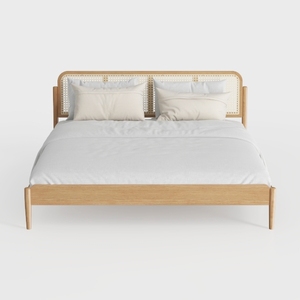
Rattan Solid Wood Modern King Size Bed 3D Model
Meridian Furniture SienaNatural-T Siena Collection
Homestyler is your go-to online home design platform! With an intuitive design tool, stunning 3D renderings, and a wealth of DIY video tutorials, it empowers you to transform your ideas into reality. Perfect for anyone eager to create their dream space effortlessly!
Design Now for FREE
































