


Amber Plaza Hall stands out as a multifaceted urban venue, featuring sleek lines, high ceilings, and adaptable floor plans ideal for various events including conferences, weddings, product launches, and artistic displays. I assess spaces like this based on their capacity, traffic flow, lighting, sound, and comfort—elements that significantly influence the success of events. Research from Gensler indicates that effective wayfinding and spatial clarity can diminish the cognitive load for guests and enhance their overall experience; these concepts are equally vital in event spaces where attendees must easily navigate registration, seating, catering, and service areas. Additionally, Steelcase has found a connection between environmental comfort and higher levels of engagement, with comfortable seating design and accessible amenities fostering better participation and interaction.
Lighting plays a crucial role in the atmosphere of an event. The Illuminating Engineering Society (IES) suggests a task illuminance level between 300 and 500 lux is optimal for reading and note-taking in versatile venues. For presentations, it's essential to have dimmable lighting layers and controlled glare to ensure that projection screens are clear while also allowing for audience engagement. Furthermore, WELL v2 highlights the importance of circadian lighting approaches that maintain alertness during daytime events, effectively reducing eye strain, particularly in conferences that last longer than 90 minutes. By utilizing a 3500–4000K neutral white base light along with accent lighting and low-glare downlights, one can achieve an inviting ambiance that supports social interactions.
Essential Specifications to Take into Account
Before finalizing event dates, it is critical to check factors such as load-in accessibility, ceiling height, rigging locations, power supply distribution, and sound dampening measures. Even in adaptable venues, I typically look for a minimum of 4 to 6 rigging points to securely hang trusses or decorative elements, as well as three-phase power for audio/visual needs and blackout capabilities to optimize projection quality. A well-structured rectangular space enhances sightlines and stage setups. Adequate circulation space should be maintained, with main aisles measuring at least 1.5 to 1.8 meters and secondary aisles at 1.2 meters to promote smooth movement during intermission.
Understanding Capacity and Layout Options
Amber Plaza Hall is adept at hosting multiple event formats including theater, classroom, banquet, cabaret, and trade show setups. Capacity extends beyond just the number of seats—comfort is paramount. For theater-style configurations, allocate approximately 0.5 to 0.6 sqm per attendee, while classroom settings typically require 0.9 to 1.2 sqm per person to accommodate tables and materials. Banquet arrangements necessitate 1.2 to 1.5 sqm per individual, influenced by service styles and the presence of a dance floor. Utilizing a room layout tool, such as Homestyler, can effectively simulate seating density, sightlines, and aisle dimensions in a matter of minutes.
room layout tool
Considering the Stage, Screen, and Sightlines
The height of the stage should correspond with the distance from the last row of seats. Generally, a platform height of 450 to 600 mm is sufficient for mid-sized rooms; if the venue's depth exceeds 25 to 30 meters, raise the platform to 750 to 900 mm. The bottom edge of the screen should be positioned 1.2 to 1.5 meters above the ground to allow for unobstructed views, with a viewing angle of no more than 30° for outer-seated attendees. If structural columns are present, staggered aisles help prevent any sightline obstructions for those seated. Moreover, consider integrating a small backstage or wings for speaker preparation and equipment storage.
Lighting Layers and Color Temperature Considerations
To create the desired ambiance, I implement three distinct layers of lighting: ambient (uniform general light), task (specific areas like lecterns, catering stations, and registration), and accent (decorative elements like backdrops and branding). For workshops, a color temperature of 3500 to 4000K promotes alertness without causing discomfort. In social events, warmer accents of 2700 to 3000K soften skin tones and cultivate a more intimate setting. Control of lighting is crucial; utilizing zoning and dimmable systems allows for mood adjustments between different event phases without needing to physically relocate fixtures. Additionally, reducing glare through the use of baffles and indirect washes is recommended, avoiding reflective floor surfaces near screens.
Acoustic Design and Speech Clarity
A visually appealing hall can still falter if it suffers from excessive reverberation. Target a reverberation time (RT60) of around 0.8 to 1.2 seconds for events focused on speech; incorporating soft seating, drapery, sound-absorbing panels, and carpet can help manage sound reflections. Position PA speakers strategically to deliver even sound coverage—placing front fills for the closest rows and using delays for deeper spaces. Additionally, keeping HVAC noise levels below NC 30 to 35 ensures clarity. I advocate for the use of multiple microphone placements during Q&A sessions to minimize delays and enhance overall energy.
Focus on Ergonomics and Comfort
Research underscores the importance of seating comfort for maintaining participant engagement. For sessions lasting beyond 60 minutes, select chairs that provide lumbar support, with seat heights between 430 and 450 mm, and breathable materials. A table depth of 600 to 750 mm allows adequate space for laptops and notepads, complemented with proper cable management to preclude trip hazards. Additionally, maintain a service ring of 900 to 1000 mm around banquet tables to enable seamless staff movement.
Power, Connectivity, and Audiovisual Needs
To facilitate various event formats, distribute power outlets along aisles and the perimeter every 3 to 5 meters. It's essential to have at least two redundant signal paths to projectors or LED walls. For hybrid occasions, cameras should be positioned along the midline with both wide and tight shots while ensuring clear sightlines free of audience heads. Assessing Wi-Fi throughput with realistic device counts is crucial; for a guest list of 300, planning for 450 to 600 concurrent connections takes into account personal devices.
Effective Wayfinding, Flow, and Service Areas
Successful events facilitate smooth movement. Establish a welcome line that splits into registration and coat checks, followed by a decompression area right before the main entrance. Signage should be clear and visible from 10 meters away with high-contrast design elements. Catering stations should be placed to the sides or at the rear to prevent blocking stage visibility. It’s important to keep emergency exit routes accessible, with aisle markers and low-level lighting aiding navigation during dim conditions.
Material Choices and Environmental Responsibility
When constructing temporary setups, prioritize reusable modular staging materials, flame-retardant drapery, and recyclable signage components. Employing low-VOC finishes and FSC-certified timber greatly enhances air quality and minimizes ecological footprints. Should the venue offer natural light, integrating sheer window treatments can help control glare while maintaining brightness; following WELL v2 recommendations reinforces the importance of daylight in enhancing occupant well-being.
Understanding Color Psychology and Creating Atmosphere
Warm neutral tones foster connections among attendees, while cool neutrals promote focus and clarity. Research indicates that blue shades are linked to tranquility and concentration, whereas warmer hues can increase social engagement—consider using warm accent lighting in bars and lounges, while cooler backgrounds can enhance presentations. It's crucial to balance brand colors with skin-friendly lighting to ensure flattering photography.
Staff Coordination and Scheduling
Prepare a detailed run sheet timed in five-minute increments: from opening the doors to the pre-show playlist, stage changes, catering runs, lighting cues, and Q&A segments. Allow for an additional 15 to 20% extra time for setup adjustments and furniture arrangements. Position a small operations hub close to the main entrance for vendors and security to work in coordination unobtrusively.
Budgeting and Preparing for Contingencies
It’s advisable to allocate approximately 20 to 30% of the audio-visual budget towards contingency measures such as spare microphones, backup playback devices, and additional projector lamps or LED processors. Account for overtime costs related to late load-outs, and include a buffer for unexpected decor, signage, and cabling expenses. Typically, opting for sustainable options like reusable scenic elements tends to yield returns over multiple events.
Sample Event Layout Scenarios
• Conference (Theater): Centered stage with dual projection, two side aisles providing 0.6 sqm per guest, ambient lighting in the 3500 to 4000K range, and maintaining an NC 30 to 35 for sound levels.
• Workshop (Classroom): Form clusters of 6 to 8 with a space allocation of 1.0 sqm per attendee, power strips positioned every 3 to 5 meters, writable back walls, and distributed handheld microphones for clarity.
• Banquet and Awards: Seating for 10 per round table, with 1.3 to 1.5 sqm per guest, warm accent lighting between 2700 and 3000K, and a runway or thrust stage to facilitate award presentations smoothly.
• Expo: Configuration with perimeter booths anchored and a central feature, ensuring a minimum aisle width of 3 meters, using directional sound masking and zoned signage for clarity.
Frequently Asked Questions
Capacity is influenced by the chosen layout: theater-style often accommodates the highest numbers, whereas banquet and classroom configurations limit capacity due to the inclusion of tables and service paths. As planning baselines, use 0.6 sqm per person for theater setups and 1.2 to 1.5 sqm for banquet arrangements.
An ambient level of 300 to 500 lux with adjustable lighting zones can help minimize eye strain while ensuring screen visibility. Neutral white light at 3500 to 4000K enhances alertness, with warmer tones added for receptions.
Incorporate sound-absorbing materials such as carpet runners, drapes, and acoustic panels to achieve an RT60 of around 0.8 to 1.2 seconds. Distributing speakers evenly and controlling HVAC noise levels under NC 30 to 35 is crucial for sound clarity.
Select chairs with lumbar support and breathable materials, targeting a seat height around 430 to 450 mm. For classroom environments, tables with a depth of 600 to 750 mm suit laptops and notes well.
For mid-sized spaces, a stage height of 450 to 600 mm paired with a screen bottom edge set at 1.2 to 1.5 m above ground maintains unobstructed sightlines. Ensure viewing angles remain within 30° from the centerline.
Yes, ensure there is three-phase power available for audiovisual needs, outlets distributed every 3 to 5 meters for classroom and expo formats, and check Wi-Fi capabilities for 1.5 to 2 times the expected device count.
Create separate lines for registration and coat checks, add a decompression area before entrance doors, and position catering stations to the sides or rear to maintain visibility and facilitate movement.
For camera placement, center them with one wide shot and another focused, ensuring unobstructed views and providing redundant signal paths to screens and streaming devices.
Cool neutrals and blue tones enhance focus for business meetings, while warmer shades create intimacy for social gatherings. Use warm highlights at lounges and neutral backgrounds in content-rich areas.
Choose reusable scenic elements, low-VOC materials, and LED lighting solutions. If natural light is available, integrating methods to control glare can preserve attendee comfort.
Include a buffer of 15 to 20% extra time for furniture arrangement, audiovisual checks, and lighting cues—especially when transitioning between conference and banquet layouts.
Certainly, utilizing a room layout tool such as Homestyler can rapidly model seating density, aisles, and stage placements, aiding in avoiding congestion and inadequate sightlines before final decisions are made.
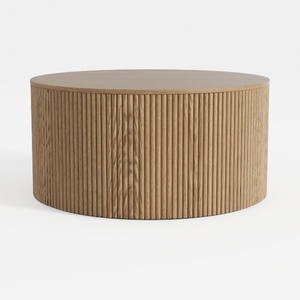
Minimalist Fluted Solid Oak Round Coffee Table 3D Model
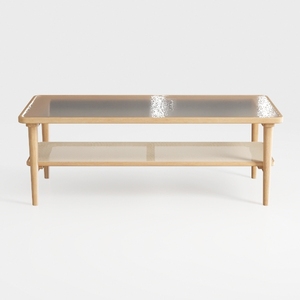
VECELO Coffee Table with 2-Tier Storage Shelf X-Fr
Homestyler is the ultimate online home design platform for bringing your ideas to life. With its intuitive design tool, stunning 3D renderings, and extensive video tutorials, you can effortlessly create your dream spaces and explore a wealth of design projects—perfect for both beginners and seasoned designers!
Progetta ora GRATIS
































