


Corner hanging lights not only eliminate dull areas but also enhance sightlines, influence the ambiance of a room, and remedy lighting inconsistencies often overlooked by floor lamps. A recent study by Steelcase indicated that spaces featuring layered lighting, which effectively diminishes glare and shadows, saw a notable 13% increase in perceived comfort—this directly correlates with the duration individuals spend in a room. Furthermore, the WELL v2 guidelines promote regulating glare and achieving a target ambient light level of 150–300 lux for living spaces, while recommending 300–500 lux for task-oriented areas to enhance visual clarity and comfort. These parameters help transform a shadowy corner into a serene, functional focal point with the right approach, including tools like Homestyler for layout planning.
When selecting corner lights, factors like color, height, and beam spread are as crucial as wattage. According to Verywell Mind’s color psychology guidance, warm color temperatures ranging from 2700K to 3000K are effective in fostering feelings of calmness and coziness, making them perfect for living rooms intended for relaxation. Additionally, the Illuminating Engineering Society advises on the use of shielding and diffusion strategies to lessen high contrast ratios, which can cause eye fatigue, particularly in compact spaces where light interacts with nearby surfaces. Opting for a pendant light with diffused optics and a 90+ CRI ensures the integrity of textures and skin tones, avoiding harsh lighting patches.
Define Your Corner Goals Before Making a Selection
The foundation of my approach lies in understanding the intended use. For a reading nook positioned in the corner, a pendant that directs light downwards and offers localized illumination of 300–500 lux is ideal; on the other hand, a social lounge corner could benefit from a more diffused light spread of 150–250 lux to prevent shadows on faces during conversations. If the corner features artwork or plants, consider adding an accent light, contributing about 10–20% of the ambient light, to add depth and interest. Additionally, ensure the lower edge of the fixture is mounted at least 78–84 inches off the ground to maintain unobstructed sightlines.
Proper Proportions: Scale and Drop Considerations
Proportion is an understated yet vital aspect of any corner pendant lighting. In smaller living rooms, typically under 160 square feet, I recommend light fixtures with diameters of 10–16 inches, coupled with a semi-opaque diffuser to soften edges. For larger spaces, between 200–350 square feet, a 16–24 inch shade or a multi-light cluster will effectively balance the visual weight around the perimeter. In instances of sloped ceilings, utilizing a swivel canopy allows the lowest point of the fixture to align with other architectural lines. Aim for a beam angle of 60–90 degrees for reading tasks and 120 degrees for ambient illumination. In viewing areas, position the pendant slightly behind the main seating line to limit glare from screens.
Material Selection: Enhancing Texture, Finish, and Noise Control
The choice of materials plays a significant role in both the aura of the space and acoustic comfort. Light fixtures with fabric drum shades or felted finishes subtly absorb sound frequencies, decreasing echo effects in living rooms with hard surfaces. While metal shades with sharp edges can manage glare effectively, they might also impart a harsh feel—this can be balanced with warm finishes like aged brass or bronze, or by incorporating a secondary soft light source nearby. Glass globes provide a timeless aesthetic, but it’s essential to be cautious of reflective sparkles; opting for etched or opal glass can deliver an even and gentle light output. Whenever feasible, I prefer LED modules equipped with replaceable drivers and a 90+ CRI for their longevity and clarity.
Layered Lighting: Collaborating with the Room’s Overall Design
A single pendant fixture is rarely sufficient on its own. I often complement it with wall washers or table lamps on the opposite side, which helps to establish harmonious lighting ratios. Research from Steelcase connects visual equilibrium to reduced fatigue and lengthier conversations; in a living room setting, this results in fewer dim areas and a more inviting gradient of light that extends from corner to center. Utilizing dimmer controls—whether forward-phase or ELV based on the driver—allows a seamless transition from 20% ambient evening light to 100% task-focused illuminating, particularly important during social gatherings or reading sessions.
Color Temperature, CRI, and Dimming Techniques
For optimal lighting in living rooms, I suggest employing a color temperature of 2700K for maximum warmth or 3000K for a sharper, more modern ambiance. Maintaining a CRI of 90+ ensures that wood grains, fabrics, and skin tones appear true to life. In a scenario where the space also serves as a work-from-home environment, incorporating a tunable-white option (2700K–4000K) can help modulate energy levels, while ensuring daytime levels do not exceed 300–500 lux to avoid washed-out visuals. Integrating these features into a unified dimming scene allows the corner pendant to adapt alongside surrounding lamps and accent lights smoothly.
Effective Corner Solutions: Various Options
Choose a semi-directional pendant fitted with a 60–90 degree beam angle and bottom diffuser. Position it such that the light falls just in front of the seating area.For ambient settings, consider a cascading cluster of small frosted globes at 2700K that are dimmable. Stagger drops by 2–4 inches to maintain visual rhythm without cluttering the space, adding ambient sparkle without causing glare. Alternatively, try a pendant featuring tight light cutoff combined with a wall-mounted light directed at artwork. Ensure artwork is positioned at 30-degree angles to avoid sharp highlights.
Incorporate an opal globe pendant set behind the main viewing axis. Dimming to 20–30% during screen time helps stabilize eye response and lessen perceived contrast in the viewing area.
Strategies for Small Spaces: Efficient Usage of Every Square Inch
For compact living environments, I favor slender pendants or single-cord designs with translucent shades to avoid overwhelming visuals. A corner pendant can effectively replace a traditional floor lamp, rescuing an additional 3–4 square feet of usable space. Consider mirroring adjacent walls or employing low-sheen paint finishes to gently bounce light without harsh reflections. If experimenting with different seating arrangements, tools like Homestyler can assist in verifying sightlines and ensuring adequate clearances before installation activities commence.
Mitigating Glare for Visual Comfort
Glare poses a significant challenge to achieving effective corner lighting. Seek out designs that are UGR-conscious and equipped with diffusers, louvers, or extended lamp recesses. When using filament-style LEDs, ensure they are housed within shades featuring at least 2 inches of setback from the opening. For exposed bulbs, opt for frosted options at 2700K to mitigate brightness spikes. If the pendant is visible from seated positions, ensure the bright light source is above eye level or effectively shielded by the light fixture itself.
Installation and Ceiling Adaptations
For concrete slab ceilings, utilize a surface-mounted canopy and cord management systems to neatly reach the corner. When dealing with plaster or lath ceilings, ensure a rated junction box is planned along with a strain-relief hook at the corner to prevent sagging cords. For vaulted ceilings, maintain the fixture’s axis plumb to create visual harmony rather than aligning it parallel to the ceiling. When connecting power from a nearby wall, decorative cord channels can seamlessly integrate into your design scheme.
Sustainability and Ongoing Maintenance
Opt for pendants featuring field-replaceable LED mechanisms and dimmable drivers to extend their lifespan. Select finishes that can be maintained with a damp microfiber cloth, recognizing that high-gloss surfaces may highlight dust while matte or satin finishes tend to conceal fingerprints better. For those who prefer fabric shades, ensure they come with removable and washable diffusers. Adhering to a quarterly cleaning schedule will help sustain consistent luminance and accurate color quality over time.
My Top Picks: Reliable Corner Pendant Designs
- Opal globe with brass stem: a classic, soft design perfect for lounge corners.
- Fabric drum shades with bottom diffusers: ideal for tasks, minimizing glare during reading.
- Multi-drop frosted mini-globes: create an airy sparkle for social areas.
- Conical metal shades with light cutoff: perfect for showcasing artwork or plant displays.
- Felted acoustic pendants: ideal for large rooms with echo concerns.
Considerations for the Corner Within the Entire Room
Every decision regarding corner lighting should complement the overall visual flow of the room, taking into account ceiling lines, window heights, and the backs of furniture. I sketch out three primary sightlines: seated, standing, and from the entrance. If any reveal a bright light source in the eye level path, adjustments are needed. As room configurations adapt—like shifting a sofa or introducing a console—it's important to revisit pendant heights and angles. Utilizing a digital room layout planner can save time and repair work in the future.
Expert Guidelines and Standards
WELL v2’s light concept stresses the importance of glare mitigation, circadian health considerations, and appropriate illumination levels for residential spaces, while guidelines from IES provide recommendations for shielding and achieving uniformity in lighting design. To create an inviting atmosphere, utilizing warm color temperature lights alongside high CRI bulbs not only preserves the authenticity of materials but aligns with color-psychology insights that associate warm lighting with relaxation and enhanced social experiences.
Frequently Asked Questions
Ensure the fixture's lowest point is positioned 78–84 inches above the floor for head clearance and to avoid glare. When installed above a side table, it may be lowered to 60–66 inches above the floor, particularly if the table serves as a buffer.
For general ambient use, consider lighting levels of 150–300 lux at seated height; focus on 300–500 lux for reading materials. Utilize dimmers to adjust brightness according to the time of day.
Utilize a warmth of 2700K for relaxation or shift to 3000K for a modern edge. Match this with 90+ CRI LED bulbs to maintain color fidelity.
To minimize reflections on screens, position the pendant behind the primary viewing axis, utilize opal or etched diffusers, and dim the light to 20–30% during viewing periods. Refrain from including exposed filaments in areas that could reflect onto screens.
Hanging fabric, felt, or perforated shades with liners can absorb excessive mid-to-high frequencies. Large felted pendants work wonders to mitigate sound in hard-surfaced areas.
For compact settings, pendants with 10–16 inch diameters are optimal. Select slimmer profiles or single-globe designs to prevent visual clutter.
Indeed, selecting a conical or semi-directional design with a 60–90 degree beam and bottom diffuser can focus lighting effectively for reading or crafting activities.
Absolutely. Dimming options extend the utility of the pendant, allowing it to transition from ambiance-enhancing light to task-oriented brightness, aligning with comfort guidelines in lighting design.
Examine sightlines from both seated and standing positions while ensuring clearances along walkways. If necessary, test various plans using layout simulation tools before securing any hardware placements.
Conduct quarterly cleaning, utilize microfiber for shade maintenance, and choose fixtures with replaceable LED modules and drivers to keep performance and color consistent over time.
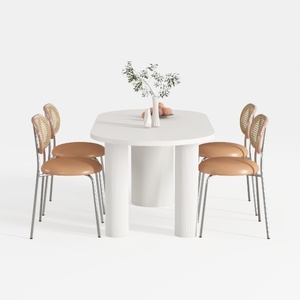
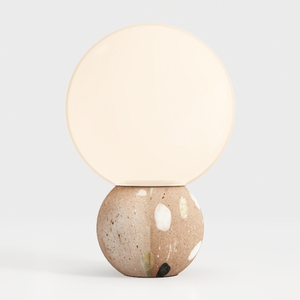
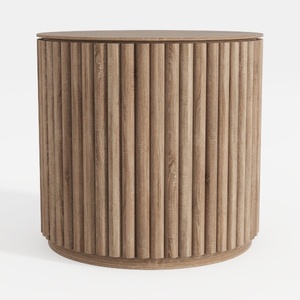
Looking to transform your home? Try Homestyler! This innovative online design platform offers an easy-to-use design tool, stunning 3D renderings, diverse design projects, and helpful DIY video tutorials. Whether you're a beginner or a seasoned pro, Homestyler makes home design fun and accessible!
Diseño ahora GRATIS
































