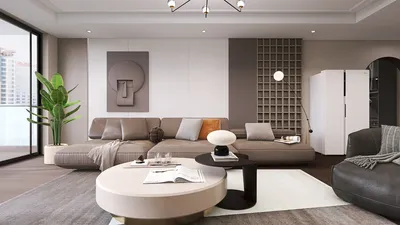


Selecting the ideal color scheme for a puja room goes beyond mere aesthetics; it symbolizes a thoughtful integration of intention, illumination, and overall wellbeing. In my designs, colors act as gentle prompts that enhance focus and ease the senses, grounding daily rituals. Research indicates that both color and lighting can significantly impact stress levels and cognitive functions: findings compiled by Verywell Mind show that cool greens and blues are associated with calmness, while warmer tones heighten alertness and engagement. For worship spaces, maintaining clarity and tranquility is paramount, so we opt for soft, harmonious hues that encourage a peaceful environment.
The quality of lighting is equally crucial in these spaces. The Illuminating Engineering Society (IES) suggests that optimal horizontal illumination for reading tasks be maintained around 300–500 lux to ensure scriptures are easily readable without glare. Furthermore, guidelines from WELL v2 emphasize the importance of managing glare, flicker, and color rendering to foster visual comfort and support circadian rhythms. My preferred lighting includes warm-white bulbs (2700–3000K) with a high Color Rendering Index (90+) and a variety of light sources to ensure the altar remains radiant yet tranquil. For those living in compact homes, a practical solution is to utilize an interior layout tool, which acts as a room layout planner to assess sightlines, altar positions, and reflective elements before making final decisions.
Vastu-Inspired Color Guidelines
Vastu Shastra highlights the importance of achieving harmony among the elements: earth, water, fire, air, and space. Therefore, color choices should reflect balance instead of extremes. My approach focuses on (1) achieving purity and clarity with light neutrals; (2) incorporating gentle contrasts to outline the altar space; (3) utilizing warm undertones to inspire devotion while avoiding overwhelming visual heat; and (4) maintaining consistency across various surfaces to limit distractions. These principles also resonate with environmental psychology, where low-saturation palettes minimize visual disturbances and facilitate mindful behavior.
Optimal Vastu Colors for Puja Spaces
• Soft White (matte): Represents purity and openness. Ideally used as the primary wall color to create a tranquil backdrop for deities and ritual items; matte finishes reduce specular glare.
• Warm Ivory or Cream: Provides a gentle warmth while remaining neutral, allowing gold leaf, brass diyas, and marigold decorations to shine without overwhelming the space.
• Light Sand or Beige: A grounded earth tone that conveys stability; best combined with natural stone or wood to enhance the feeling of being anchored.
• Pastel Yellow (muted, not lemon): Signifies optimism and enlightenment; ideally suited for accent walls behind the altar to subtly energize the environment.
• Pale Mint or Sage Green: Offers a calming and rejuvenating effect; great for secondary surfaces or cabinetry, especially if the puja area is adjacent to a garden or window.
• Powder Blue or Sky Blue: Encourages calm focus; recommended for use on ceilings to evoke a sense of openness without excessively cooling the atmosphere.
Colors to Use Sparingly
• Intense Red: While sacred, it can be visually overwhelming. It’s better suited for small accents (e.g., kumkum trays, textiles) rather than expansive surfaces to prevent agitation.
• Deep Black or Charcoal: These hues can feel heavy and absorbent; best utilized for subtle hardware or frames to offer grounding without dominating the scene.
• High-Gloss Finishes: Reflective surfaces can disrupt concentration; egg-shell or matte finishes are preferable for walls, with semi-matte materials on cabinetry.
Ceiling, Floor, and Altar Color Strategies
• Ceiling: Should remain lighter than the walls—soft white or pale blue to create an airy feel and enhance acoustic comfort. A subtle gold or ochre border can ceremoniously delineate the sanctum.
• Floor: Opt for natural stone (such as beige marble, travertine, or kota) or warm wood with a low-sheen finish. These materials offer tactile reverence and visual harmony; choose rugs that are muted and easy to clean.
• Altar Backdrop: A subtle yet effective highlight—ivory, soft yellow, or sand—combined with natural textures (like linen or raw silk) elevates the focal point without causing visual fatigue.
Light and Glare Management for Spiritual Serenity
Aim for an illumination level of 300–500 lux on reading surfaces while avoiding direct visibility of bare lamps. Make use of diffused warm-white LEDs with high CRI to ensure flowers and idols are rendered accurately. Incorporate task lights in scripture areas and soft ambient lighting throughout the room. Shielded diyas and candlelight can add beauty; strategically place them to minimize reflected glare on polished idols or frames. Utilize dimmer switches and layered circuits to adapt lighting levels during festivals.
Color Psychology and Ritual Interaction
Muted yellows reinforce joyful intentions; soft greens promote healing and balance; gentle blues assist in slowing down breathing and mental pace. The chosen color combination should correspond with your ritual rhythm: for morning prayers, fresh and luminous neutrals are ideal; meanwhile, evening aarti appreciates warmer enveloping shades. Keep saturation levels low to maintain a contemplative atmosphere and ensure consistency throughout adjacent rooms to prevent abrupt visual shifts.
Materiality, Acoustics, and Sustainability
Select low-VOC paints to safeguard indoor air quality during daily rituals. Choose natural textiles like cotton, khadi, and raw silk to soften acoustics and introduce gentle textures. Solid wood or bamboo cabinetry with water-based finishes align beautifully with earthy palettes. Stone surfaces near the altar are heat and oil resistant, while cork or felt pads under bells and diya trays mitigate noise and surface scratches.
Color Planning and Layout Factors
When planning colors, consider placement and sightlines. If the puja room is oriented to the east (a common practice in Vastu), make the most of early light with light neutrals and pastel yellows; for north-facing spaces, cool whites and soft blues will preserve brightness without creating glare. Before finalizing paint choices, simulate altar orientation, seating arrangements, and flow using a room layout tool such as Homestyler to verify focal points and reflective elements.
Design Trends for 2024–2025
Recent trends favor calm, low-contrast palettes, tactile neutrals, and biophilic elements. I prefer incorporating botanical greens through foliage rather than paint, maintaining quiet walls. Micro-textures such as limewash and mineral paints provide depth without sheen, enhancing the simplicity of sacred spaces.
Practical Color Combinations
• Tranquil Dawn: Walls in soft white; altar in muted yellow; ceiling in powder blue; floor in warm wood; metal accents in brass and copper.
• Earth & Light: Ivory walls; sand beige altar; white ceiling; beige marble flooring; textiles in linen and off-white.
• Gentle Spring: Sage walls; ivory altar; white ceiling; kota stone floor; decor with fresh marigolds and tulsi.
Maintenance and Ritual Preparation
Choose washable matte finishes for easy cleanup of incense residues. Keep frequently touched surfaces slightly darker (like beige or sand) to mask wear. Ensure oils and kumkum are stored in sealed containers to prevent staining; place a stone slab underneath diyas for floor protection.
References for Authority
For standards on visual comfort and wellness, refer to the IES recommendations relating to illuminance and glare management, along with WELL v2 guidelines focusing on lighting and circadian health.
Frequently Asked Questions
Using soft white or warm ivory in matte finishes creates a sense of purity and minimizes glare, enhancing focus on the altar.
Yes, use in small accents such as textiles or trays. Avoid large red surfaces as they can be visually intense and may distract from the prayer process.
Light neutrals accented with muted yellow behind the altar complement morning light while maintaining a luminous yet tranquil atmosphere.
Opt for warm white lighting between 2700–3000K with a high CRI (90+) to accurately render colors of idols, flowers, and scriptures, in line with comfort recommendations from WELL v2.
Strive for an illumination level of around 300–500 lux on reading surfaces, adhering to IES lighting standards while steering clear of direct glare.
Absolutely, in soft, low-saturation tones such as sage or sky blue to foster calmness and clarity without excessively cooling the ambiance.
Select matte or eggshell finishes for walls and low-sheen for woodwork. High-gloss surfaces tend to reflect light and distract during rituals.
Warm metals (brass, copper) harmonize beautifully with ivory, cream, and sand. Keep the backdrop neutral to allow metallic accents to appear elegant without dominating.
Use deep black sparingly for hardware or frames to maintain grounding. Entire black walls can feel oppressive and absorb light from the room.
Natural stone, warm wood, and breathable textiles (like cotton and raw silk) work well. Choose low-VOC paints to support a healthier air quality during rituals.
Utilize a room layout tool such as Homestyler to model altar placement, seating arrangements, and circulation to verify sightlines and ensure that colors enhance the focal element.

Minimalist White Fabric Upholstered King Size Bed 3D Model


Blue White Solid Wood Kids Bunk Bed With Storage Stairs 3D Model

Furniliving Armless Upholstered Chair for Makeup
模型无法生成答案,请稍后重试~
立即免费设计
































