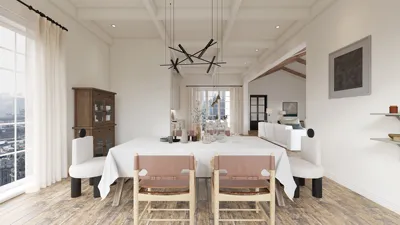


Enormous spaces—like hotel lobbies, versatile community areas, or expansive open-concept living and dining rooms—require ceiling fans that efficiently circulate air without creating drafts or cluttered appearances. When selecting fans, I seek models that expertly balance blade size, motor power, and user controls, ensuring that the airflow feels smooth and consistent rather than gusty. An appropriate fan choice not only lessens cooling demands but also enhances occupant comfort while harmonizing with the surrounding architecture.
Accurate airflow measurement is essential; it shouldn't be left to chance. Research by Steelcase on workplace comfort reveals a strong connection between perceived temperature control and overall satisfaction, with improved personal control potentially boosting performance by 2–5% in office settings. For large spaces, this means stable and adjustable air circulation rather than inconsistent breezes. Typically, high CFM (cubic feet per minute) fans are recommended for significant volumes—many ceiling fans suitable for large halls achieve between 7,000 to over 15,000 CFM. The WELL v2 guidelines regarding thermal comfort underscore the importance of regulating both air temperature and speed, advising that airspeed remains below approximately 0.8 m/s to minimize draft-related discomfort while facilitating evaporative cooling. Selecting a fan that can vary between low and high speeds is essential.
Determining the Optimal Size for a Large Hall
Begin with the dimensions and height of the space. For open areas surpassing 300 square feet, blade spans ranging from 60" to 96" generally yield optimal performance; exceedingly large volumes may benefit from HVLS (high-volume, low-speed) fans with diameters ranging from 8 to 24 feet. To prevent unconditioned spaces, strategically space multiple fans based on the layout and height of the ceiling. In a hall measuring 30' x 50' (1,500 sq ft) with a ceiling height of 14', employing two fans measuring 72–84" or a single HVLS fan could prove effective. For arrangements featuring clustered seating, utilizing a room layout tool can simulate coverage and assist in positioning fans along circulation paths:
room layout tool
Understanding CFM and Airflow Impact
CFM is a critical metric indicating the amount of air a fan moves; it is particularly relevant for large halls. Search for the specified CFM and efficiency ratings (CFM/W). High-performance ceiling fans designed for residential or architectural use typically offer 5,000–10,000+ CFM, whereas commercial HVLS models often far exceed this range. Ensure to pair the CFM rating with variable speed options or DC control adaptability, allowing for precise adjustments in airflow. Strive for uniform air distribution—excessively high CFM concentrated directly beneath the fan may lead to draft complaints, particularly in seating or reception areas.
Ceiling Height, Mounting, and Downrod Strategy
The height of the ceiling determines the necessary mounting equipment. Fans should maintain a clearance of approximately 8–10 feet from the finished floor for both comfort and safety; in taller spaces, downrods can adjust the fan to the appropriate height. Allow for at least 8–10" of space between the blades and the ceiling for optimal airflow intake. For sloped ceilings, select slope-compatible canopies and confirm the maximum rated slope. In multi-level areas, align fan placements with the positioning of lighting fixtures and sprinkler systems to prevent interference.
Motor Technology: AC or DC
DC motors usually operate more quietly, consume less energy, and provide more adjustable speed settings compared to traditional AC motors—these advantages are crucial in acoustically sensitive environments. DC fans tend to integrate more effectively with smart home systems, offering smoother operational transitions and enhancing perceived comfort. While AC motors can be reliable and budget-friendly, DC motors provide superior performance in large halls where precise airflow management is key.
Blade Configuration, Materials, and Finishes
The angle of the blades (typically 12–15 degrees for many high-performance fans) and their aerodynamic design significantly impact airflow distribution. Broader blades or those designed with contours move larger volumes of air at lower speeds, which helps in minimizing noise. The choice of materials should also consider the specific environment: ABS composites or aluminum resist moisture and are ideal for areas like pools or coastal sites; solid wood can imbue warmth in hospitality spaces but demands careful maintenance and balancing. The fan's finish should harmonize with the hall's aesthetic—darker, low-sheen finishes may visually recede in lofty ceilings, while finishes that match architectural details create cohesion.
Controlling Acoustics and Vibration
Large spaces often amplify sound; hence, it is crucial to choose fans with documented dB ratings or those known for their quiet operation. Rubber-isolated mounts, well-balanced blades, and DC motors can greatly assist in mitigating sound. Position fans away from reflective acoustic surfaces, such as hard walls or glass atriums, and consider installing acoustic features (like baffles, rugs, or upholstered furniture) to help absorb sound generated by airflow. The objective is to achieve a gentle, consistent breeze that remains undetectable to occupants.
Lighting Compatibility and Glare Management
If the fan features a light kit, consider the desired illumination levels and glare. The IES guidelines for ambient lighting typically recommend approximately 10–30 footcandles for public circulation areas and 30–50 footcandles for mixed-use seating, depending on specific tasks. Opt for diffusers with high-quality light control and a warm-to-neutral color temperature (ranging from 2700–3500K) for hospitality settings; a neutral 3500–4000K range is suitable for multipurpose areas. To prevent hotspot glares directly below the fan, choose options like diffused rings or perimeter lighting.
Control Options: From Wall Dimmers to Smart Solutions
In vast spaces, control mechanisms play a crucial role in maintaining comfort. Consider multi-speed wall controls or intelligent systems equipped with scheduled settings and occupancy sensors. Integrating fans with thermal sensors can assist in keeping air temperatures within the WELL v2 comfort parameters. For adaptable spaces—such as those hosting banquets one night and community yoga sessions the next—preset scenes allow for gentle airflow during quieter events and increased airflow when accommodating larger crowds.
Energy Efficiency and Sustainability Considerations
Focus on fans that provide high CFM-per-watt efficiency, utilize DC motors, and consist of durable materials requiring minimal upkeep. Fans that lessen dependence on mechanical air conditioning can lead to significant energy savings, particularly during transitional weather. In temperate areas, combining ceiling fans with natural ventilation methods (like operable skylights or cross-ventilating windows) enhances sustainability while ensuring comfort.
Safety, Clearance, and Code Compliance
Ensure compliance with the manufacturer's guidelines regarding minimum clearances between blades and walls as well as blades and ceilings. Coordinate the installation with fire safety equipment, signage, and audiovisual apparatus. In public spaces, always check local regulations pertaining to mounting heights over assembly areas to ensure that fans do not obstruct egress signage or emergency lighting systems.
Aesthetic Design: Blending or Standing Out
In traditional spaces, opt for subtle finishes and sleek canopies that blend seamlessly with the ceiling. In modern venues, a sculptural HVLS fan can serve as a striking focal point. The principle: align the visual aesthetics of the fan with the spatial proportions of the hall—if the space features elongated lines and recurring arches, choose blade designs that echo these forms to create a cohesive look.
Airflow Placement Strategy
Identify usage areas such as seating, circulation, performance stages, and reception, and strategically position fans to ensure that each zone experiences consistent airflow without turbulence. For unique-shaped halls, deploying two or more mid-sized fans can achieve smoother coverage than relying on a single oversized unit. Utilizing an interior layout planner can help explore options, especially around columns and mezzanines:
interior layout planner
Optimal Specifications for Large Halls
- Blade span: 60–96" for large residential or hospitality venues; HVLS fans ranging 8–24' for commercial applications.
- CFM Ratings: 7,000–15,000+ for substantial residential areas; significantly higher for HVLS fans (as per manufacturer's specifications).
- Motor Type: Opt for DC for quieter operation and efficient controls; AC may suffice for budget-sensitive projects.
- Mounting: Utilize downrods to maintain blade height at approximately 8–10' above the floor; verify compatibility with ceiling slope.
- Control Systems: Select multi-speed options or smart controls with preset scenes; integration with occupancy and temperature sensors is optional.
- Lighting: Incorporate diffused LED lighting kits or ambient layers; color temperatures between 2700–4000K based on desired mood and function.
- Finishing Touches: Choose to either blend with or highlight existing decor; consider maintenance aspects, dust visibility, and light reflectance.
Psychological Impact of Color and Visual Comfort
For halls designed for relaxed gatherings, neutral, warm finishes (such as matte bronze or walnut) enhance the inviting atmosphere. In vibrant multipurpose spaces, finishes like satin black or brushed aluminum can project clarity and contemporary style. Aim to minimize glare and avoid high-gloss surfaces close to strong uplights to prevent visual strain.
Final Evaluation Checklist
- Confirm CFM ratings and energy efficiency.
- Validate mounting height and necessary clearances.
- Opt for a DC motor for quieter operation and more precise control.
- Assess blade materials based on the environmental conditions (moisture, coastal effects).
- Develop control strategies and settings for varying occupancy levels.
- Coordinate installation with lighting, sprinkler systems, and AV setups.
- Utilize a layout simulation tool to test placements prior to installation.
Frequently Asked Questions
For large hospitality or residential settings, typical blade spans range from 60 to 96". Exceptionally large commercial venues may require HVLS fans with diameters of 8 to 24 feet. The ideal span will depend on square footage, ceiling height, and the hall's functionality.
Aim for CFM ratings between 7,000 and 15,000+ for sizable residential halls. In complex layouts, distribute multiple fans to prevent temperature variability. Always pair CFM specifications with adjustable speeds to eliminate drafts.
DC motors are generally quieter, more energy-efficient, and provide smoother variable control—making them well-suited for large halls that host diverse events. Conversely, AC motors are less expensive and dependable, though they typically have fewer speed adjustments.
Maintain blade heights of approximately 8–10' above the floor. Use downrods for elevated ceilings and confirm readiness for sloped areas. Provide ample space between blades and adjacent ceilings or walls.
Fans do not cool air; instead, they enhance airflow, promoting evaporative cooling and a perception of comfort. While they can decrease reliance on air conditioning and improve comfort in transitional seasons, in hot and humid climates, air conditioning might still be required.
Select well-balanced blades, DC motors, and high-quality mounting options. Avoid placing fans near hard surfaces that reflect sound unless acoustic treatments are employed. Operate fans at moderate speeds to minimize turbulence-related noise.
Use diffused LED fixtures or separate ambient components to achieve recommended illuminance levels according to IES guidelines for circulation and seating. Opt for warm-to-neutral color temperatures while avoiding glare under the fan.
Absolutely. Preset scenes and sensors enable fine-tuning of airflow and comfort levels in relation to varying events and occupancy. Integration with thermal comfort objectives consistent with WELL v2 standards helps to mitigate drafts.
In rectangular venues, deploying two mid-sized fans often yields better air distribution than relying on a solitary oversized unit. For complex arrangements featuring columns or balcony levels, utilize layout planning tools to model airflow and strategically place fans according to usage zones.
Materials such as ABS composite and aluminum offer moisture resistance making them ideal for coastal or poolside venues. Solid wood is appropriate for dry environments and adds aesthetic warmth but demands careful balancing and routine maintenance.
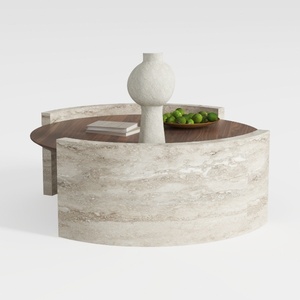
Minimalist Travertine Walnut Round Coffee Table 3D Model
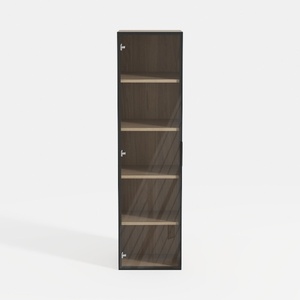
Modern Black Frame Solid Wood Open Shelf Tall Cabinet 3D Model

Minimalist Solid Oak Round Coffee Table 3D Model
Looking to transform your space? Homestyler is your go-to online home design platform! With an intuitive design tool, stunning 3D renderings, and a treasure trove of DIY video tutorials, you can easily create and visualize your dream interior design projects—no expertise needed!
Progetta ora GRATIS
































