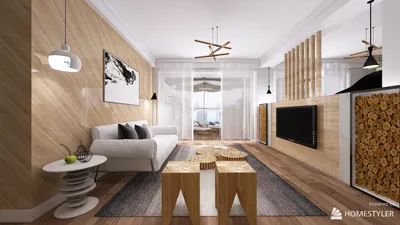


Color has the ability to create the illusion of space in a compact kitchen, soften tight corners, and influence the ambiance of daily life. In smaller environments, the hue of cabinets can dramatically impact spatial perception, visibility for tasks, and the overall enjoyment of the area. My methodology integrates color psychology, the science of lighting, and user habits to select shades that enhance the feeling of spaciousness, brightness, and tranquility, all while retaining distinctiveness. Utilizing tools like Homestyler can aid in visualizing these effects.
The interplay of lighting and contrast plays a critical role in how colors are experienced. The Illuminating Engineering Society suggests an ambient lighting level of 300–500 lux for kitchens, with task surfaces benefitting from around 750 lux for optimal visibility. This greatly influences how the light and dark tones of cabinets are interpreted during both daytime and nighttime (as per IES standards). Furthermore, studies indicate that reducing visual complexity enhances cognitive ease, a principle I apply in kitchen design by advocating for harmonious, low-contrast schemes in smaller spaces—principles that can be modeled using Homestyler.
The psychology of color contributes significantly to kitchen dynamics. According to findings by Verywell Mind, shades of blue and green are associated with tranquility and balance, while warm neutral tones can foster comfort without overwhelming visual weight. In petite kitchens, employing softer versions of these colors, such as muted sage, powder blue, and warm greige, helps maintain an airy atmosphere while injecting personality.
Optimal Cabinet Color Selections for Small Kitchens
Soft Whites and Warm Off-Whites: Bright whites infused with warmth (LRV 82–90) visually enlarge spaces and reflect light effectively, minimizing shadows in corners. I favor creamy shades that contain subtle notes of yellow or beige to mitigate harshness under LED lights.
Greige and Light Taupe: If pure white is too stark, greige (LRV 60–75) provides depth while keeping spaces light. This hue complements natural stone, warm wooden floors, and brushed nickel finishes beautifully.
Pastel Blues and Sages: Softly toned blue or green (LRV 50–70) can quiet busy visuals. These colors harmonize well with stainless steel appliances and cool LED lighting, softening any reddish undertones found in materials like brick or oak.
Pale Mushroom and Putty: Earthy yet light, these neutral tones establish a steady visual rhythm. They effectively conceal everyday marks and blend well with shiny backsplashes.
Dusty Rose or Clay (Used Sparingly): A muted rosy tint at the lower cabinet level adds sophistication when placed below white upper cabinets; it exudes elegance rather than sweetness when presented in matte finishes.
Considerations for Light, Gloss, and Finish
Colors with a high light reflectance value (LRV) create an impression of spaciousness, but the finish affects reflectivity and upkeep. Semi-matte or satin finishes diminish glare, particularly in areas under cabinets. As outlined by WELL v2 guidelines, managing glare discomfort (UGR targets) and ensuring adequate vertical light enhances visual comfort; thus, it is advisable to select finishes that scatter light rather than reflect it sharply.
Guideline: Employ satin finishes on upper cabinets to reduce glare; opt for matte or satin on lower cabinets to ensure durability. Combine with 3000–3500K LED lights to introduce warmth that avoids bluish cast at nighttime; for a cooler aesthetic, 3500–4000K can complement blues and greens well, but be sure to verify compatibility for color shifts.
Contrast Strategy: Upper vs. Lower Cabinetry
In compact kitchens, utilizing a two-tone approach regulates visual weight. Lighter upper cabinets alleviate the perception of low ceilings; slightly darker lower cabinets anchor the space. Maintain a contrast difference of just 1–2 steps in value to keep the area visually cohesive. For experimental layouts or plans involving sightlines and storage, a room layout tool or planning software like Homestyler can validate these configurations.
Pairing Colors and Materials
Soft White Cabinets + Warm Wood: Incorporate walnut handles or white oak shelving to introduce warmth and tactile nuance.
Greige Cabinets + Veined Quartz: Harmonizing cool veins in countertops with the warm undertones of cabinets—opt for a minimal backsplash to prevent overwhelming patterns.
Sage Cabinets + Brushed Nickel: The fresh appearance of green against stainless steel can be enhanced with ribbed glass for a non-cluttered texture.
Powder Blue + Polished Chrome: Use chrome accents sparingly; incorporate linen-textured tiles to mellow reflections and absorb light.
Color Strategies for Small Kitchens
Minimize Edge Contrast: Align cabinet sides and fillers with the face color to prevent visual shrinkage due to high edge contrast.
Unify Tall Elements: Should you have a tall pantry or fridge surround, select lighter tones to avert a heavy visual impact.
Thin Profiles: Utilizing slimmer rails, flat fronts, and integrated pulls minimizes shadows and visual distractions. This design choice also benefits acoustics, as fewer protruding elements lead to fewer hard surface sound reflections.
Coordinating Backsplashes and Walls: Select a wall color that is either one step lighter than the cabinets or maintains the same hue at a higher LRV; this technique dissolves boundaries and enhances visual width.
Light Temperature and Color Interaction
3000K–3500K LEDs: These temperatures complement warm whites, greige, and taupe. To avoid yellowing, balance these colors with cooler counters.
3500K–4000K LEDs: Best for accentuating blues and greens; ensure warm metal finishes are included to prevent a cold feel in the kitchen.
CRI ≥ 90: Essential for maintaining color accuracy on food and finishes, particularly in compact kitchens where surfaces are closely placed.
Utilizing Dark Cabinets Effectively
Implementing dark lower cabinets or a singular deep island can enhance visual interest in small kitchens, especially when paired with high-LRV walls and enhanced lighting. Opt for a matte charcoal or deep navy below, balanced with very light upper cabinets. Keep hardware minimalistic and integrate lighting solutions to reduce heavy shadows beneath countertops.
Ergonomics and Human Considerations
In small kitchen designs, color should facilitate navigation and workflow. Light upper cabinets can enhance vertical illumination while reducing shadows. Handles that slightly contrast with cabinet doors improve grip clarity without adding visual mess. Ensure clear sightlines between areas for prep, cooking, and cleaning; maintaining color continuity allows for quick spatial comprehension during busy periods.
Common Mistakes to Avoid
• Utilizing a high-gloss pure white finish throughout can create a sterile appearance under cool LEDs and amplify glare. Opt for satin finishes to induce warmth.
• Sharp contrasts between upper and lower cabinets and backsplashes can result in a visually fragmented space. Gradual transitions enhance the continuous feel.
• Overly vivid colors applied to expansive cabinet sections may constrict perceived spaciousness; reserve saturated tones for accents only.
Starting Color Palettes
• Creamy White (LRV ~88), Satin + Warm White Walls + Light Oak Floors + Brushed Nickel Hardware.
• Soft Greige (LRV ~68), Satin + Pale Mushroom Walls + Calacatta Quartz + Matte Black Pulls.
• Sage (LRV ~62), Matte + Warm White Walls + Stainless Steel Appliances + Linen Tile Backsplash.
• Powder Blue (LRV ~65), Satin + Off-White Walls + Carrara Marble + Chrome Accents.
Validation and Reevaluation
Testing is crucial. Paint significant samples on cabinet doors and evaluate them in morning, afternoon, and evening lighting. Confirm that lighting levels align with IES recommendations for both ambient and task zones. If modifications to cabinet configurations or the addition of tall storage occur, test these options with layout planning software such as Homestyler.
Frequently Asked Questions
Q1: Which single color maximizes the appearance of space in a small kitchen?
A1: A warm off-white with an LRV above 80 usually enhances perceived space, especially if lighting is maintained at approximately 300–500 lux for general illumination and 750 lux for task areas.
Q2: Are two-tone cabinets suitable for small kitchens?
A2: Absolutely—keep the upper cabinets lighter and the lowers a step deeper in value. Restrict contrast to maintain visual flow.
Q3: What LED color temperature pairs well with white cabinets?
A3: Generally, 3000–3500K gives warmth without discoloration; ensure a CRI of 90 or above to uphold color accuracy for finishes and food.
Q4: Can I utilize dark cabinets in a galley kitchen?
A4: Yes, use dark lower cabinets combined with light uppers and high-LRV walls. Amplify task lighting and prefer matte finishes to control glare.
Q5: How can I prevent my small kitchen from feeling sterile?
A5: Opt for warm whites or greige, satin finishes, introduce wood accents, and utilize layered lighting. Textures from elements like ribbed glass or linen tiles can enhance the sense of warmth.
Q6: What type of hardware finish complements sage or pastel blue?
A6: Brushed nickel or stainless steel works well with cooler colors; include warm wood or brass accents sparingly for balance.
Q7: Should the backsplash color match the cabinets?
A7: It should complement in value. Opt for a shade that is one step lighter or maintains a similar value to promote cohesiveness and eliminate harsh transitions.
Q8: What is the best method for testing colors effectively?
A8: Create large samples on cabinet doors and assess them throughout different times of the day under target lux levels. Confirm with high-CRI lighting for accuracy.
Q9: Are glossy cabinets a poor choice in small areas?
A9: High gloss can exacerbate glare and visual distraction; satin or matte finishes typically perform better under cabinet lighting.
Q10: Which neutral tones hide smudges best?
A10: Soft greige, pale mushroom, and light taupe are excellent choices that remain bright while effectively masking imperfections.


Looking to transform your home effortlessly? Discover Homestyler, the ultimate online home design platform! With an intuitive design tool, stunning 3D renderings, a wealth of DIY design projects, and helpful video tutorials, you can easily create your dream space—no expertise needed!
지금 무료로 디자인하세요
































