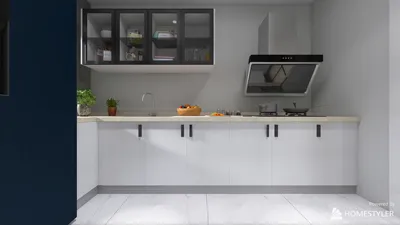


Creating an optimal auto shop floor plan is vital for enhancing operational flow, maintaining safety standards, and providing an efficient atmosphere for both technicians and clients. An effectively designed layout can significantly improve daily activities while promoting productivity and innovation. Whether you're establishing a new automotive service center or upgrading an existing facility, grasping the fundamentals of successful spatial organization can greatly impact your overall success.
Begin your auto shop layout planning by evaluating your specific business requirements. Reflect on the types of services you will provide—ranging from repairs and diagnostics to detailing and tire services—so you can designate specific areas for each function. It's essential to ensure clear and logical vehicle pathways for entering and leaving the workshop, alongside wide walkways for staff to navigate safely, reducing accidents and congestion.
Segment the floor into defined spaces: reception and waiting areas, work bays, storage for tools and parts, administrative offices, and customer amenities. Position heavy machinery like lifts and diagnostic units near entry points to limit needless vehicle movement. Tool storage should be easily accessible to each work bay, allowing technicians to focus and work efficiently. Additionally, do not forget about proper lighting, ventilation, and meeting safety regulations—these aspects contribute to a healthier, more comfortable workspace.
As a designer, I perceive the challenge of planning an auto shop floor analogous to arranging a kitchen for efficiency: every square foot should be intentional, adaptable, and easy to navigate. This is where utilizing a 3D floor planner, like Homestyler, becomes invaluable, as it enables you to visually arrange machinery, storage, and pathways, experimenting with various layouts before making any financial commitments. This tool is essential in reconciling technical necessities with design usability, ensuring that your workspace is not only functional but also inviting.
Tip 1:
Emphasizing ergonomics is crucial in all dimensions of the design. Cluster similar functions, minimize travel distances for workers, and ensure that pathways are free from obstructions. Anticipate future growth and technological advancements by implementing flexible areas and modular storage options. Clearly defined signage and color-coded zones further enhance safety and efficiency throughout your facility.
FAQ
Q: What is the most critical aspect of an auto shop floor plan?
A: The efficiency of workflow is paramount—organize equipment, tools, and vehicle routes intuitively to reduce time lost on movement.
Q: How can I enhance safety in my auto shop layout?
A: Establish wide walkways, clear signage, proper ventilation, and ample lighting; if possible, create a separation between customer areas and workspaces.
Q: Is it wise to consider future expansion in my shop design?
A: Definitely! Incorporating modular storage and versatile work areas can help your shop adapt to changing service requirements and updates in equipment.
Q: How does using a 3D planner assist with auto shop designs?
A: 3D planning tools like Homestyler allow you to visualize layouts, experiment with machinery placement, and make adjustments prior to construction, which saves both time and costs.
Q: What customer amenities should I incorporate into my floor plan?
A: A cozy waiting space with seating, Wi-Fi access, visibility of the workshop (considering safety), and easy access to restrooms will all enhance the customer experience.




Discover your dream home with Homestyler! This user-friendly online design platform offers a powerful design tool, stunning 3D renderings, and a wealth of design projects and DIY tutorials. Whether you're a beginner or an experienced designer, Homestyler makes home design easy and enjoyable.
立即免费设计
































