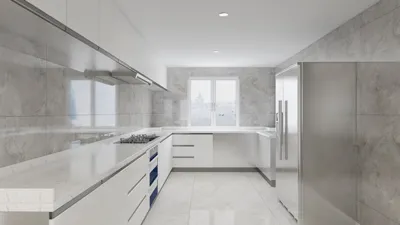


Many individuals inquire about the ideal AC tonnage for a room measuring 10x12 feet. Typically, a 1.0-ton split AC unit serves adequately for a room size of 120 sq ft. However, the ultimate solution relies on analyzing the heat load influenced by factors such as room orientation, number of occupants, appliances, insulation, and the local climate. Instead of making assumptions, I prefer a straightforward calculation based on established comfort and ventilation norms, and utilizing tools like Homestyler can enhance this process.
To provide further clarity, the WELL v2 Thermal Comfort criteria recommend maintaining operative temperature ranges between 20–25°C (68–77°F) for occupants. Meanwhile, the ASHRAE comfort model, often reflected in workplace research, suggests a target around 23–26°C under standard indoor circumstances. Studies conducted by Steelcase reveal that discomfort due to temperature can hinder cognitive function and engagement, underlining the importance of precise sizing to eliminate hot spots and prevent short cycling. These resources emphasize the objective: ensuring stable thermal conditions, sufficient airflow, and controlling humidity within the 40–60% range.
Determining the right size begins with the room's area and typical cooling needs per square foot. In regions with mixed climates and average insulation, I generally recommend a cooling requirement of 25–35 BTU per square foot. For a 10x12 room, this equates to approximately 3,000–4,200 W (10,200–14,300 BTU/h). A 1.0-ton AC unit approximately delivers 12,000 BTU/h, placing it comfortably within this range. However, if the room faces west, features large single-pane windows, or hosts heat-producing appliances, I tend to upgrade to a 1.2-ton unit. Conversely, a well-insulated room with low solar gain may require only 0.8–0.9 ton.
Understanding AC Tonnage versus BTU is fundamental. One ton of cooling power is roughly equivalent to 12,000 BTU/h. To calculate the necessary capacity, use the formula: Area (sq ft) × Cooling Factor (BTU/sq ft) + Adjustments for windows and occupants. For a typical 10x12 bedroom: 120 × 30 BTU/sq ft results in approximately 3,600 W or 12,000 BTU/h, hence requiring a 1.0-ton unit. This estimation presumes the presence of double-glazed windows or adequate shading, with an occupancy of 1–2 individuals and ordinary lighting or equipment usage.
When determining appropriate AC size, it’s crucial to consider factors that significantly impact the calculations. I take into account six primary considerations to fine-tune the capacity.
The cooling ability of an AC unit involves more than merely lowering the temperature; managing humidity is essential. In regions with high humidity, I advocate for inverter units that feature variable speed compressors to maintain humidity levels between 40–60% RH without excessively cooling the space. Achieving around 6–8 air changes per hour in bedrooms is the goal for airflow, while ensuring a quiet operation is key. Managing noise, particularly from the compressor and indoor fan, is vital for quality sleep, as research indicates a clear link between acoustic comfort and overall well-being, which also translates into home environments.
Energy efficiency and part-load performance are equally essential. An oversized air conditioning unit may cool the space rapidly but will cycle on and off frequently, adversely affecting humidity control and comfort, alongside increasing energy costs. Opting for an appropriately sized unit allows for prolonged and steady operation at part load, which enhances moisture removal and comfort. Inverter systems excel in this aspect by adjusting their capacity to fit real-time heat loads, rather than relying on frequent cycling.
For effective AC sizing in a 10x12 room, follow this simple workflow before making a purchase.
The optimal cooling capacity can be compromised by inefficient air distribution. It’s advisable to install the indoor unit to direct air along the room's longer dimension, ensuring it does not blow directly over sleeping or seating areas, while also keeping return air paths unobstructed. If you're planning to rearrange furniture for improved airflow and sun management, utilizing a room layout tool like Homestyler can help visualize air movement and glare control.
Understanding color, light, and thermal perception is crucial in enhancing comfort. The psychology of color and light quality can significantly affect perceived comfort in a space. Warmer, more saturated tones can make a room feel warmer visually, while cooler color schemes coupled with high CRI lighting at neutral temperatures (around 3500–4000K) tend to improve visual satisfaction. Implementing glare control measures, such as shades and films, can mitigate radiant heat from sunlight, thereby stabilizing overall AC performance.
When should you consider a 0.8 ton or a 1.2 ton unit? Opt for 0.8–0.9 ton if the room is well-insulated, oriented north or east, has minimal activity, and uses LED lighting with few appliances. A 1.2 ton unit is more appropriate for rooms with large west-facing windows, consistently high occupancy (3 or more individuals), extensive electronic usage, or if the room is located on the top floor beneath an inadequately insulated roof. The primary objective is to maintain consistent comfort levels rather than achieving quick cooling.
Aligning thermal comfort goals with humidity guidelines is in line with the WELL v2 standards. Research from Steelcase further supports the connection between thermal stability and focus, thereby reinforcing the importance of precise sizing rather than conventional oversizing.
FAQ
Q1: Is a 1-ton AC adequate for a 10x12 room? A1: Typically, yes. In most standard conditions, 120 sq ft multiplied by approximately 30 BTU/sq ft equals 12,000 BTU/h, indicating 1.0 ton is suitable. Consider increasing the size only if there is significant solar gain or high internal heat loads.
Q2: How do windows impact AC sizing? A2: Large, unshaded single-pane windows may necessitate an additional 10–20% in capacity due to heat gain from both solar and conductive sources. Utilizing double-glazed windows or implementing shading can revert the requirement back to the 1.0-ton range.
Q3: Should I select an inverter AC? A3: Yes, for improved efficiency during part-load operation, quieter function, and superior humidity management, inverter models are advantageous—particularly in climates characterized by significant daily temperature fluctuations.
Q4: How does ceiling height come into play? A4: Rooms with ceilings that exceed 9 feet in height can increase overall volume and air stratification; therefore, it may require an additional 5–10% in cooling capacity or ensure appropriate air circulation and fan settings.
Q5: How does humidity influence the calculations? A5: In humid areas, focus on units that emphasize strong latent cooling capacity. Right-sizing (often within 1.0–1.2 ton) and operating units over extended cycles help maintain humidity levels of 40–60%.
Q6: Can color and lighting affect comfort levels? A6: Indeed. Cooler color schemes along with well-regulated neutral-white lighting (3500–4000K) can lower perceived warmth and glare, contributing to comfort without necessitating an increase in cooling capacity.
Q7: What are the consequences of oversizing an AC unit? A7: Oversizing leads to shorter cycles, inefficient humidity control, inconsistent temperatures, elevated energy costs, and increased noise levels—even with rapid initial cooling.
Q8: Where is the best location for the indoor unit? A8: Aim to direct the supply air along the room’s longer length and keep ample space around direct seating or sleeping areas, avoiding placement above the bed to minimize drafts.
Q9: How many people can a 1-ton AC accommodate? A9: It's sufficient for two occupants. For every additional person, plan on adding 600–800 BTU/h, considering a potential upsize or enhanced shading and insulation.
Q10: Do appliances significantly affect sizing? A10: Yes, high-output devices like gaming PCs and large TVs can contribute an extra 400–700 W collectively; this should be factored into the heat load assessment.
Q11: Is maintenance related to perceived capacity? A11: Yes, maintaining clean filters, ensuring an adequately charged refrigerant, and keeping coils unobstructed helps preserve airflow and efficiency. A poorly maintained 1-ton unit may underperform compared to a properly maintained smaller one.
Q12: Can I depend solely on BTU per sq ft for calculations? A12: While it's a reliable starting point, you will still need to make adjustments based on solar gain, occupancy, room height, and internal equipment to ensure accurate comfort levels.
Homestyler is an amazing online platform for home design! Its user-friendly design tool allows you to create stunning interiors, while high-quality 3D renderings bring your ideas to life. Plus, with a wealth of design projects and DIY video tutorials, you’ll find everything you need to enhance your space effortlessly!
Design Now for FREE
































