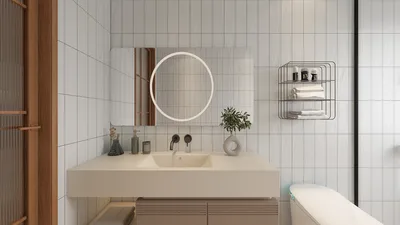


As we move forward, the space available to us continues to diminish, while our expectations only grow. This trend becomes evident in every design brief: an increasing demand for adaptability in daily activities and a craving for tranquility within our environments. The AIA’s Home Design Trends Survey has consistently indicated a rise in adaptable interiors and multifunctional spaces—evidence that our interactions are evolving, even if the physical structures remain unchanged. Viewed through this lens, a one-bedroom cabin layout is not merely a nod to rustic charm; it serves as a model for efficient, empowered living that is perfectly suited for the future. I remain focused on what lies ahead, guided by a framework of spatial reasoning that emphasizes innovation.
Ridge-Line Linear Plan
Design Logic: A linear core connects the entry, kitchen, lounge, and bedroom, creating a straightforward flow—minimal branching and zero confusion. The trends of tomorrow favor seamless transitions and hybrid living experiences; this linear design accommodates them with ease.
Flow: From the porch to the mudroom, leading through the galley kitchen to the living bay, and onto the sliding panel and bedroom, this plan enables a straightforward progression without retracing steps—similar to systematically optimized code.
Sightlines: Upon entry, a carefully designed corridor reveals the living bay's glass facade; the connection to the bedroom remains understated until necessary, thereby minimizing cognitive strain.
Storage: Thoughtful features like a full-height pantry, discreet toe-kick drawers, and a utility rail provide organized storage—ensuring that items are readily accessible without overwhelming the space.
Furniture Fit: A comfortably proportioned sofa (84–90 inches), a dining bench (30 inches deep), and a queen platform bed that maintains a 24-inch clearance support a functional setup, designed to avoid any overlap in use.
Verdict: After five years, this design will stand the test of time, functioning like a stable operating system: requiring minimal updates while providing maximum clarity, and ready to incorporate seasonal additions such as a forest workspace module.
save pin
Courtyard Loop Plan
Design Logic: A micro-courtyard acts as the heart of the space—rooms surround it, distributing light similarly to a well-designed network. This layout anticipates future off-grid living needs, offering redundancy through its circular design.
Flow: The entry point splits: flowing clockwise to the living area/kitchen and counterclockwise towards the bathroom/bedroom; both pathways converge at the courtyard, completing a seamless circuit with outdoor interactions.
Sightlines: Low sills framing the courtyard create a visual frame, while extended diagonals reveal nature beyond, allowing for a sense of privacy without sacrificing connection to the outside.
Storage: A perimeter bench with lift lids, a dedicated gear wall in the courtyard, and niches for linens ensure that frequently used items are conveniently located.
Furniture Fit: A round table measuring 36–42 inches encourages fluid movement, while swivel lounge chairs serve as adaptable companions, and a queen bed features a built-in 12-inch headboard.
Verdict: This loop design promotes micro-routines—be it morning coffee laps, stretching sessions, or evening air strolls—habits that resonate with an evolving, resilient future.
save pin
Split-Volume Hearth Plan
Design Logic: Two offset structures—designated for public and private use—are connected by a shared hearth; this offset establishes sound barriers and climate zones, preparing for energy-conscious living in the years to come.
Flow: The covered entry leads into a gear vestibule before reaching the hearth; one path navigates left towards the living area/kitchen, while the other leads right to the bedroom/bath, with reliable branching for quick navigation.
Sightlines: The hearth serves as the focal point; its flames anchor the middle, while glazing expands views beyond, making modest square footage feel expansive.
Storage: Elements like a vertical log niche, ceiling-mounted racks, and a 24-inch deep wardrobe create a structured storage system, organized by frequent use.
Furniture Fit: Featuring a 60-inch sofa with a side chaise, a compact kitchen island (24 x 54 inches), and a queen bed with a 30-inch clearance towards the bath, this design ensures seamless movement without friction.
Verdict: This split-volume design will retain a comfortable temperature year-round while balancing emotional well-being—an ideal layout for remote work paired with leisurely weekends.
save pin
Final Takeaway
Viewing a one-bedroom cabin floor plan as an interface allows us to enhance functionality without sacrificing comfort. Related concepts, such as compact cabin layouts, small retreat designs, and off-grid one-bedroom models show that the future is not necessarily larger; it is simply more intelligible. Constraints like minimalistic living and energy-efficient zoning don’t inhibit happiness; they sharpen it. In my experience, the smallest cabins embody the greatest potential when the underlying design language is clear, as illustrated in tools like Homestyler.

bed_217653-101 Stories
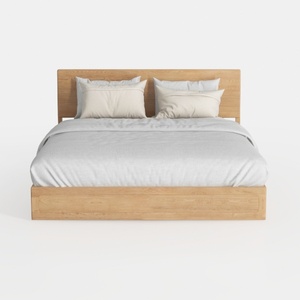
Minimalist Solid Oak Wood Platform Bed with Bedding 3D Model
ZQQLVOO Writing Computer Desk,Home Office Desk,Hom
Homestyler is your go-to online home design platform. With its easy-to-use design tool, stunning 3D renderings, and a wealth of DIY video tutorials, you can effortlessly create beautiful spaces. Whether you're a beginner or an experienced designer, Homestyler inspires creativity in every project!
지금 무료로 디자인하세요
































