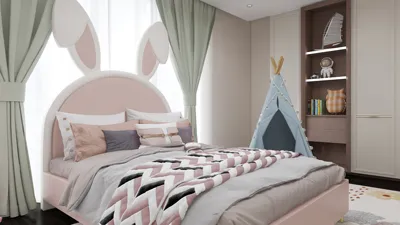


Olive green serves as a grounding hue for any room, infusing it with warmth without sacrificing vibrancy. I utilize this color to soften sharp modern elements, add warmth to cool materials, and enhance the connection between indoor and outdoor spaces. Whether in corporate environments, hospitality, or homes, olive green conveys a sense of sophistication and tranquility rather than following fleeting trends. Its adaptability ranges from soothing sage-olive tones to deep, rich olives that create a cozy atmosphere. When combined with appropriate lighting, textures, and spatial dynamics, olive green emerges as a subtle yet effective catalyst for comfort, concentration, and aesthetic balance, making it a great choice for designs created with Homestyler.
Understanding context is essential. The WELL v2 framework emphasizes the significance of visual comfort and circadian lighting in promoting well-being; maintaining ambient light levels between 150–300 lux for lounges and 300–500 lux for work areas enhances comfort and alertness, while managing glare is crucial (v2.wellcertified.com). Research conducted by Steelcase correlates the use of color and environmental comfort with improved cognitive function and reduced stress levels in work environments, supporting the idea of incorporating low-saturation colors like olive to help maintain focus (steelcase.com/research). In an olive-colored setting, glare is often minimized, contrast is softened, and long periods spent in front of screens become more enjoyable, a benefit I have witnessed in both open studios and home offices.
Behavioral impacts are significant. According to an overview by Verywell Mind, green hues are linked with balance and rejuvenation (verywellmind.com/color-psychology), which resonates with what clients frequently express: walls painted in olive foster relaxation while ensuring mental engagement. To sustain this effect throughout the day, I recommend lighting in the range of 2700–3500K warm white for living spaces, and 3500–4000K neutral white for work surfaces, all enhanced by indirect lighting to mitigate contrast and protect the eyes from glare. Additionally, incorporating olive into textiles at various depths—such as a light olive curtain alongside a deeper olive rug—creates a soothing gradient rather than a monotonous look, perfectly achievable with Homestyler's design tools.
Foundational Elements of Olive Green: Hue, Finish, and Balance
Olive shines best within the mid-tone spectrum. Controlling saturation is crucial: if it becomes too grey, the color can appear dull; too saturated, and it can overwhelm. I typically initiate the process using one of three primary elements: a matte olive wall, a sizable olive area rug, or olive cabinetry. Opting for matte or eggshell finishes minimizes light reflectance and glare, which is particularly beneficial near screens. For spaces with cooler tones (like concrete, stainless steel, or north-facing light), warming the olive with earthy undertones and warm lighting works best. Conversely, if your existing palette features warm tones (like oak, brass, or southern light), a cooler shade of olive is advisable to prevent an oppressive effect. Adhering to a 60/30/10 ratio enhances balance—60% neutrals (warm white or putty), 30% olive, and 10% accents (brass, rust, indigo) fosters rhythm and subtlety, perfect for designs in Homestyler.
Illumination Strategy: Light Levels, Color Temperature, and Glare Management
Quality lighting can elevate the effect of olive. For reading areas and lounge spaces, aim for ambient light levels around 150–300 lux using layered, indirect sources; on desks and kitchen prep areas, target 300–500 lux. WELL v2 underscores the importance of glare control and uniform lighting; I typically employ shielded sconces, linear indirect uplighting, and diffusers to soften harsh edges. Consistency in color temperature is key: use 2700–3000K for relaxation zones and 3500–4000K for focused areas. Highlighting olive accents with 10–20% greater illuminance than adjacent surfaces ensures clarity without causing discomfort. During bright daylight, remember that olive tends to appear darker; balance this with sheer window treatments to reduce stark contrast while allowing for views.
Material Combinations: Wood, Stone, Metal, and Textiles
Olive is an excellent bridging color that harmonizes different natural materials. I often pair olive walls with mid-tone woods such as oak, ash, or walnut to introduce warmth; limestone or honed terrazzo serves to provide a sense of calm without reflecting too much light. The use of brushed brass and antiqued bronze accents enhances olive's appeal without imposing a formal atmosphere, while matte black can establish sharp outlines. To enrich the aesthetic with textiles, I suggest mixing various textures: an olive boucle ottoman, light olive curtains, and a hand-knotted rug featuring olive tones with small flecks of ivory. Sustainable choices are essential: opting for low-VOC paints and FSC-certified wood yields a healthier indoor environment and a timeless color scheme, ideal for designs in Homestyler.
Creating Spatial Intent: Zones, Proportions, and Visual Rhythm
I utilize olive to delineate functional areas: darker olives indicate focus zones and entry points, while lighter shades denote flow and social interaction areas. Maintaining uninterrupted olive surfaces in high-concentration areas minimizes visual distractions; introducing artwork or shelving in more dynamic locations encourages conversation. Proportion plays a vital role—if your ceiling height is low, keep olive colors beneath the midpoint (like wainscot or cabinetry) and lighten the upper walls to visually elevate the space. In taller rooms, one can switch this approach by painting the upper areas olive to visually lower the profile and introduce coziness. For efficient furniture arrangements and clear pathways, employing a layout tool can help visualize and optimize circulation and seating arrangements before finalizing paint and built-in installations, integrating seamlessly with the Homestyler platform.
Kitchen and Dining Spaces: Olive for Modern Warmth
Olive cabinetry with sleek shaker profiles offers a modern yet welcoming essence. Combine it with honed quartz or soapstone countertops and minimal brushed brass hardware. Aim for task lighting between 3500–4000K to provide adequate illumination on preparation areas. When selecting olive for expansive surfaces, allow backsplashes to maintain breathing space—consider off-white zellige or subtle terrazzo. In dining settings, a lighter olive wall tone minimizes glare while a wooden table and neutral upholstery create a refined and durable scheme.
Living Rooms: Layered Tranquility and Acoustic Comfort
Olive envelops a living room space without overwhelming it. Start with an olive area rug layered with neutral-toned sofas and a wooden coffee table. Introduce soft acoustic elements—such as textured curtains, upholstered panels, and plush rugs—to absorb sound, which is particularly important in open concept areas. Use indirect lighting against olive walls to avoid hotspots; a lamp with a fabric shade diffuses light evenly and flatters skin tones within the range of 2700–3000K. Incorporating a single piece of high-contrast artwork or an indigo throw helps maintain visual intrigue in the arrangement.
Bedrooms: Restorative Designs and Ergonomic Comfort
For a restful environment, olive shades should reside lower in saturation and be paired with natural linens. Ensure bedside task lighting is adjustable and focus on warm color temperatures (around 2700K). Position deeper olive tones behind the headboard to visually anchor the bed while lighter olive on adjacent walls creates a soft enclosure. Consider employing blackout curtains paired with sheer coverings to maintain softness during the day and privacy at night. Prioritize ergonomic factors for bedside access, ensuring clear reachable areas, comfortable mattress heights, and pathways free from glare from reflective surfaces., taking advantage of solutions available through Homestyler.
Home Office: Enhancing Focus and Reducing Fatigue
When it comes to video calls, olive serves as an excellent backdrop—providing low contrast that is flattering and professional. Opt for matte finishes on workspace surfaces to minimize reflections. Arrange vertical lighting behind computer monitors to lessen eye strain, maintaining light levels of around 300–500 lux on desks. For tighter spaces, consider incorporating olive on a single accent wall while leaving surrounding areas neutral to preserve openness and stabilize the viewer's focus. Adding plants such as olive trees or rubber plants can echo the olive tone and introduce biophilic elements linked to reduced stress levels, an aspect that can be creatively visualized with Homestyler.
Small Spaces and Rentals: Flexible Olive Solutions
If traditional painting isn’t feasible, consider integrating olive through textiles, artwork, and modular furniture. A portable olive room divider can create distinct areas in studio layouts; olive slipcovers can refresh a sofa without a full renovation. Maintain a disciplined approach to the palette: limit to two olive items per sightline, balanced by warm neutrals and a single metallic accent. Use thoughtful lighting strategies featuring soft, warm fixtures to achieve a cohesive atmosphere free from harsh contrasts.
Sustainability, Durability, and Timelessness
When selecting olive-painted walls, choose washable matte or eggshell finishes to resist scuff marks. In areas with high traffic, specify durable textiles suited to wear measures that hold up. Metals that develop a patina, like brass and bronze, age well next to olive tones, while chrome may come across as cold unless balanced by warmer woods. It’s also advisable to maintain a touch-up paint kit with the same batch number to prevent slight color inconsistencies; olive shades can shift noticeably between different brands, thus consistency is crucial.
Frequently Asked Questions
To achieve ambient light levels of 150–300 lux, utilize various layered, indirect fixtures to minimize glare. Warmer hues (around 2700–3000K) complement both olive and skin tones beautifully.
Absolutely. Low-saturation greens are recognized for their restorative properties and help maintain focused attention. Ensure task lighting is set for around 300–500 lux with neutral white lights (3500–4000K) for optimal performance.
Options like oak, ash, and walnut serve as great companions for olive. Utilize mid-tone woods to introduce warmth; be cautious around highly red woods unless aiming for a vintage feel.
Apply olive on a single accent wall or in lower areas (like rugs or cabinetry). Complement this with light neutrals and reflective but diffused lighting to enhance spaciousness.
It perfectly embodies the essence of warm modernism. Pair olive cabinetry with honed stone surfaces, brushed brass accents, and task lighting at 3500–4000K for effective illumination.
Brushed brass, antiqued bronze, and matte black are dependable choices. Chrome may appear too harsh; if included, balance it with warm wood and textured cloths.
Incorporate soft furnishings such as rugs, curtains, and upholstered panels. Olive textiles can effectively absorb sound while keeping the visual scheme coordinated.
Certainly. Strong daylight can darken olive attributes; utilize sheer coverings to regulate contrast while preserving color accuracy. Soft, warm evening lights will impart a cozier ambiance on olive surfaces.
Colors like putty, ivory, brass, rust, and indigo create a sophisticated balance without overwhelming the space.
Aim for environmentally friendly choices: utilize low-VOC paints, opt for FSC-certified woods, and select durable, easy-to-repair furniture. Favor finishes that endure wear gracefully to extend their lifecycle.

Modern Fabric Upholstered High Back Loveseat Sofa 3D Model

Modern Minimalist Olive Velvet Loveseat Sofa 3D Model

Minimalist Dark Green Velvet Large Sofa 3D Model
Homestyler is your go-to online home design platform! With its user-friendly design tool, stunning 3D renderings, and a plethora of DIY tutorials, you can easily transform your space into a masterpiece. Perfect for both beginners and seasoned designers looking for inspiration!
Concevez maintenant gratuitement
































