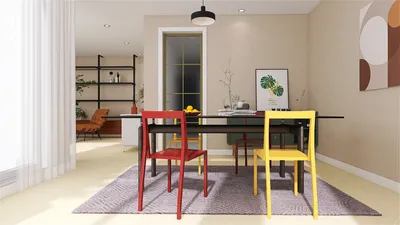


One time, I persuaded a client to opt for an olive green shade in their compact living room. They wanted a moody ambiance but were concerned it might turn their space into a cave. By incorporating warm greys and reflective elements, we struck a perfect balance, creating an environment that felt both grounded and spacious. This close call taught me that small areas demand innovative solutions; pairing olive green with grey has become one of my preferred combinations.
1. Begin with a gentle grey foundation
I often suggest painting the walls in a light, warm grey to maintain a sense of openness while allowing olive accents to shine. The benefits are substantial: grey functions like a neutral backdrop, enabling seasonal updates of accessories. However, selecting the right undertone is crucial — always test paint samples on various walls prior to making a decision.
save pin
2. Incorporate olive through various elements instead of just one sofa
Introduce olive accents through decorative pillows, throws, statement chairs, or even area rugs. Layering different shades of olive enhances depth and avoids a flat appearance; combine them with textured greys, such as boucle or linen, to create contrast. It can be tempting to match every piece perfectly, but subtle variances keep the overall scheme engaging.
save pin
3. Utilize metal and wood to add warmth to the palette
Brass or antique gold fixtures, along with medium-toned wooden furniture, can lift the olive and grey combination, helping the room avoid a chilly feel. In a previous project, I replaced chrome lighting with brass, instantly adding warmth and character. While wood infuses an organic element, be mindful not to overdo the finishes or it might clutter the aesthetic.
save pin
4. Ensure balance with reflective and natural light
Mirrors, shiny ceramics, and light grey curtains can disperse light throughout the room, ensuring that even darker olive accents do not overpower the space. During a renovation I planned, placing a slender mirror across from a window vastly enhanced the perceived depth. However, reflective surfaces can show smudges, so choose their locations wisely.
save pin
5. Ground the design with patterns and art
Integrate patterns with cushions, area rugs, or artworks that incorporate olive, grey, and a vibrant color like terracotta or navy. Patterns unify the color palette and create focal points. Keep the number of patterns limited to avoid overwhelming the design; too many competing designs can dilute the intended impact.
save pin
Tips 1:
When considering layout changes, I suggest using an online room planner like the 3D floor planner to visualize the scale of furniture. For swift floor plans, a free floor plan creator can help test movement flow before purchasing larger pieces. When fine-tuning finishes or areas adjoining the kitchen, a kitchen layout planner case study offers valuable insights into coordinating colors and flow.
save pin
FAQ
Q: Is olive green a good choice for small living rooms? A: Yes — when complemented with light greys and reflective features, olive adds dimension without constricting the space.
Q: Which undertone of grey pairs best with olive? A: Warm greys with subtle beige or taupe shades usually harmonize beautifully with the warmth of olive.
Q: Should I use multiple metal finishes throughout the room? A: It's more visually appealing to stick to one or two types of metal; mixing too many can create a busy look.
Q: Can I add bright accents alongside olive and grey? A: Definitely — using terracotta, mustard, or navy can provide refreshing contrast without overwhelming the color palette.
Q: How can I effectively test paint colors in my home? A: Apply multiple 12x12" samples on various walls and observe them in both morning and evening light for the best results.
Q: What rug colors go well with olive and grey? A: Neutral jute, soft navy, or patterned rugs incorporating both olive and grey work reliably well.
Q: Are there any sustainable materials I should consider? A: Seek out FSC-certified wood and low-VOC paints to maintain an eco-friendly environment; the Environmental Protection Agency provides useful information on indoor air quality (https://www.epa.gov/indoor-air-quality-iaq).
Q: Can I find examples or templates for planning my layout? A: Yes, utilizing established layout tools and case studies can expedite the decision-making process and help prevent errors.
save pin
Looking to transform your space? Homestyler is your go-to online design platform! With its user-friendly design tool, stunning 3D renderings, and a wealth of DIY video tutorials, you can effortlessly create and explore your home design ideas. Dive in and unleash your creativity today!
Progetta ora GRATIS
































