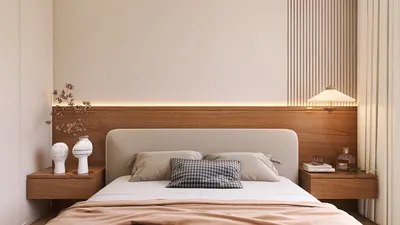


In a past project, a client desired their nursery to exude the fragrance of "fresh linen", yet they were unwilling to use any paints that emitted odors. This experience compelled me to delve deeply into the realm of non-toxic finishes. Working with confined spaces fosters my creativity; selecting the appropriate paint can create a healthier, tranquil environment without compromising on style. If you’re looking for a practical guide, I’ve curated five design inspirations featuring non-toxic wall paint derived from actual projects and experiments. For an illustration of AI-driven material selection in a project, consider the application of AI in interior design: AI for interior design.
1. Mineral paints for a matte, breathable finish
I appreciate mineral paints, such as those made from limestone or silicate, because they adhere effectively to masonry and allow walls to breathe—ideal for older homes or bathrooms. These paints are low in VOCs and develop a beautiful patina over time. However, they can be on the pricier side and may require more preparation. In a recent renovation, I applied mineral paint on an exposed brick feature wall, which not only eliminated lingering odors but also contributed a charming matte appearance.
save pin
2. Waterborne acrylics with low VOCs for easy maintenance
Waterborne acrylics present a dependable choice for everyday applications: they are durable, emit little odor, and are widely accessible in non-toxic formulations. These paints clean easily and are suitable for high-traffic zones, although some budget options may still contain additives—therefore, reading labels is crucial to opt for certified low-VOC options. A cost-saving tip: invest in a high-quality tint base upfront, as it typically requires fewer coats, reducing labor expenses.
save pin
3. Use color and placement to minimize paint volume
Often, the healthiest decision is to simply reduce the amount of paint used. I frequently suggest employing strategic color blocking—painting just one wall or an alcove instead of the entire room to decrease material use and exposure. This approach not only adds style but also requires intentionality regarding edges and transitions, ensuring that the minimal application appears purposeful rather than unfinished. For an example that successfully harmonized layout and finishes in a compact kitchen, see this kitchen workflow case: kitchen workflow case.
save pin
4. Breathable, washable finishes for families
When there are children or pets involved, breathable washable paints (look for certified low-VOC emulsions) prove invaluable: they resist stains while allowing moisture to escape. The downside might be that they have a slightly less luxurious surface compared to mineral paints, but this trade-off is worthwhile for their practical durability. On one occasion, I recommended a washable, low-VOC enamel for a playroom; the parents were delighted, and the paint has remained resilient for years without fading.
save pin
5. Accent textures and non-toxic wallpapers instead of full repaint
When clients seek a transformative change without extensive repainting, I recommend using textured plaster accents or non-toxic peel-and-stick wallpapers—these elements introduce character while keeping chemical exposure minimal. This method is budget-friendly and reversible, though ensuring that textures align with existing furniture can demand a designer’s expertise. To visualize potential finishes before making a commitment, I often utilize 3D render examples to help clients make informed decisions: 3D render examples.
save pin
FAQ
Q1: What does “non-toxic” paint actually signify?
The term ‘non-toxic’ typically defines paints that are low in volatile organic compounds (VOCs), devoid of heavy metals, and have restricted hazardous additives. Always look for third-party certifications, such as GreenGuard, to verify this information.
Q2: Are zero VOC paints completely risk-free?
Zero VOC paints significantly lessen indoor air quality hazards but are not always devoid of all odors or additives; some may still off-gas trace elements. Ensuring proper ventilation both during and after the painting process is essential.
Q3: How long should I ventilate a space post-painting?
It is advisable to ventilate for a minimum of 48-72 hours with fresh air if possible; longer may be necessary for larger rooms or if any smells are detected. Utilizing fans and opening windows can expedite this process.
Q4: Can I utilize non-toxic paint in humid environments like bathrooms?
Absolutely—opt for mineral paints or waterborne acrylics designed for high-humidity areas and ensure adequate ventilation to prevent mold problems. A moisture-resistant primer can also enhance adhesion.
Q5: Are there downsides to using non-toxic paints?
At times, you may encounter higher initial costs or a more limited selection of finishes, and some non-toxic options might necessitate extra surface preparation. However, based on my experience, the long-term benefits for health and aesthetics outweigh these initial drawbacks.
Q6: How can I verify that a paint is low-VOC?
Check the VOC content provided on the technical datasheet and look for certification logos. Reliable manufacturers often disclose the grams-per-liter (g/L) figure, allowing for direct comparisons among options.
Q7: Where can I locate trustworthy information on VOCs and indoor air quality?
The U.S. Environmental Protection Agency offers authoritative resources regarding volatile organic compounds and indoor air quality—refer to the EPA for specific guidance: https://www.epa.gov/indoor-air-quality-iaq.
Q8: Should I engage a professional for non-toxic finishes?
If you’re handling a minor accent or touch-up, a DIY approach with careful product selection can be effective; however, for full-room transformations or challenging surfaces, hiring a professional ensures proper preparation, application, and lasting performance.
save pin
Discover the joy of home design with Homestyler! This user-friendly platform offers an intuitive online design tool, stunning 3D renderings, and a wealth of inspiring design projects and DIY video tutorials. Whether you're a beginner or a seasoned designer, Homestyler makes it easy to bring your vision to life!
Progetta ora GRATIS
































