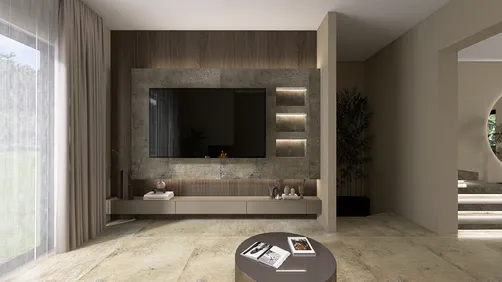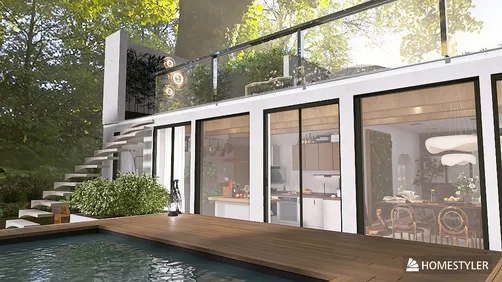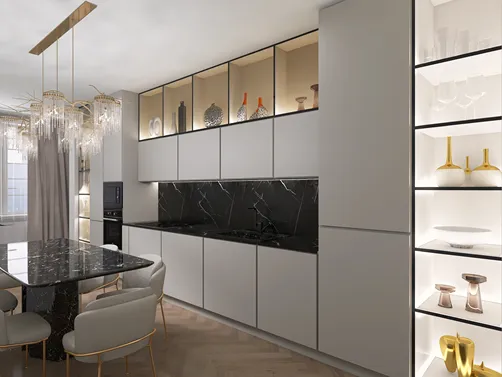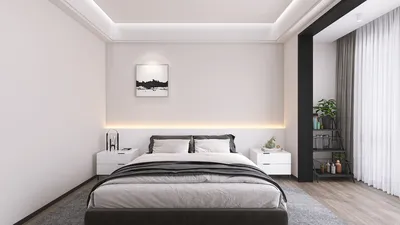



In my decade-long career as an interior designer, I've discovered that the most compact spaces ignite remarkable design ingenuity. Recently, I've become enamored with the trend of no-sofa living rooms—a fantastic fit for studios, apartments, or any residence seeking an innovative and adaptable layout. Say goodbye to the conventional couch; today I’ll present you with 10 inspiring concepts I've implemented with clients, combining personal insights with professional expertise to help you reimagine your area by utilizing tools like Homestyler.
1. Low Platform Seating
My Perspective: In a compact studio I revamped, we swapped out the cumbersome couch for a low platform built into the window area. This transformation created a cozy reading nook during the day and a guest bed at night—both practical and stylish.
Advantages: This design conserves space, provides multifunctionality, and aligns with trends inspired by Japanese living. As highlighted in the 2023 trend reports by Houzz, low seating enhances openness and sight lines in smaller rooms.
Disadvantages: It may not cater to individuals who need reclining support; additional cushions are necessary for comfort.
Tip: Incorporate hidden drawers beneath for storing seasonal blankets.
2. Floor Cushions & Poufs
My Perspective: I once held a client meeting in a home adorned with vibrant Moroccan poufs scattered throughout. The result was an instantly relaxed and social atmosphere.
Advantages: They offer incredible flexibility—easily rearranged for gatherings or game nights while adding an instant touch of bohemian flair to the living space.
Disadvantages: Offer minimal back support, and not all guests may feel comfortable sitting low for extended periods.
Visualize your bohemian floor cushion arrangements before making purchases to see how they'll fit seamlessly into your design.
3. Window Bench with Storage
My Perspective: A bay window converted into built-in bench seating became a client’s favorite spot, transforming an awkward corner into a cherished area.
Advantages: Combines seating with hidden storage while optimizing natural light usage.
Disadvantages: Its fixed nature means it cannot be rearranged to accommodate different layouts.
4. Modular Lounge Chairs
My Perspective: I've enjoyed utilizing lightweight chairs that can be rearranged into a loveseat or separated for individual seating, depending on the event.
Advantages: Highly adaptable and available in various styles, from Scandinavian to industrial—perfect for renters.
Disadvantages: Generally more expensive than a standard small sofa set.
5. Daybed as a Sofa Alternative
My Perspective: Recently, I designed a coastal-themed living room featuring a linen-upholstered daybed adorned with textured pillows, which functioned as a stylish lounger during the day and turned into a spare bed at night.
Advantages: Serves as a guest sleeping area; visually lighter than a traditional couch.
Disadvantages: It may necessitate custom cushions for sufficient upright seating comfort.
6. Accent Chair Cluster
My Perspective: In the residence of an art collector, we arranged four mid-century accent chairs around a circular coffee table, fostering a conversational environment.
Advantages: Ideal for entertaining; allows for more personalized seating options; supports varied postures.
Disadvantages: Requires more space than anticipated, necessitating thoughtful planning for flow.
Utilizing a 3D layout can help to prevent cramped arrangements when planning your accent chair cluster.
7. Built-in Wall Bench
My Perspective: I have designed wall-length benches complete with cushions and sconces above; this modern, café-style living area works wonders in small apartments.
Advantages: Provides a streamlined appearance; keeps the floor space open; can be complemented with shelves above.
Disadvantages: As a permanent fixture, it may not suit those who enjoy frequent redesigns.
8. Hammock or Hanging Chair
My Perspective: One adventurous client permitted me to install a stylish indoor rattan hammock chair, a hit among guests.
Advantages: Infuses personality into the space; the swinging motion creates a playful ambiance, perfect for reading nooks.
Disadvantages: Needs robust ceiling support and may not be suitable for minimalist settings.
9. Oversized Bean Bags
My Perspective: I'm a fan of the lounge-like vibe these giant bean bags provide. I once specified memory foam bean bags for a gaming-focused living area, achieving comfort goals.
Advantages: Inexpensive, comfortable, and lightweight; perfect for family-oriented and casual environments.
Disadvantages: They may appear too casual for formal settings and need fluffing to maintain support.
Explore oversized bean bag arrangements through virtual visualization tools, ensuring they won’t dominate your layout.
10. Integrated Storage + Seating Steps
My Perspective: During a loft renovation, we designed tiered steps with hidden drawers, doubling as seating for gatherings.
Advantages: A brilliant space-saving solution; adds architectural interest; ideal for open-plan studios.
Disadvantages: Custom builds can be costlier; might not be the softest seating for extended lounging.
Conclusion
Living rooms without sofas don't imply a compromise in comfort; instead, they emphasize smarter, adaptable design. From low platforms to modular chairs, each idea can be customized to fit your lifestyle. As noted by Apartment Therapy, layouts based on activity can enhance the functionality of your home. Which of these 10 inspiring ideas will you try first, possibly utilizing Homestyler for visual planning?
FAQ
1. What defines a no sofa living room?
It refers to a living area designed without a conventional couch, utilizing alternatives like chairs, benches, or floor seating to achieve a versatile layout.
2. Is a no sofa living room comfortable?
Certainly—select supportive alternatives and layer with cushions and throws, making it as cozy as a traditional sofa setup.
3. What’s the best seating option for small living rooms lacking sofas?
Modular lounge chairs, storage benches, and floor cushions work wonderfully; they maintain a flexible, uncluttered layout.
4. Are bean bags suitable for a no sofa living room?
They are excellent for casual or family-oriented spaces, though they may not fit well in a formal entertaining area.
5. Can I combine different seating types?
Absolutely—blending poufs, chairs, and built-ins fosters visual diversity and accommodates various activities.
6. Do no sofa living rooms save space?
Most often, yes, especially when incorporating built-ins or multifunctional furniture. According to Houzz, integrated storage seating optimizes the available square footage.
7. How should I arrange seating in the absence of a couch?
Prioritize traffic flow, conversation settings, and focal points such as windows or media units.
8. Is it possible to visualize a no sofa living room prior to purchasing furniture?
Definitely; employing 3D planning resources aids in avoiding costly missteps—some allow you to virtually place actual furniture pieces within your design.
Built on technology originally developed at Autodesk, Homestyler empowers anyone to design beautiful, realistic spaces in minutes. Join over 20+ million registered users (platform data, 2026) who have already discovered a smarter way to plan, visualize, and bring their dream homes to life — all from the comfort of a browser.
Homestyler is an outstanding online home design platform that makes decorating easy and fun. With its user-friendly design tool, stunning 3D renderings, a variety of design projects, and helpful DIY video tutorials, you can effortlessly create your dream space—no prior experience needed!
지금 무료로 디자인하세요












![[For my dearest Sabrinik 🧡]](https://hs-designs.homestyler.com/production/design/images/3f463715-5ed6-4c49-9346-16d464510aa6/1714085722568.jpg?x-oss-process=image/resize,w_502,m_mfit/format,webp)