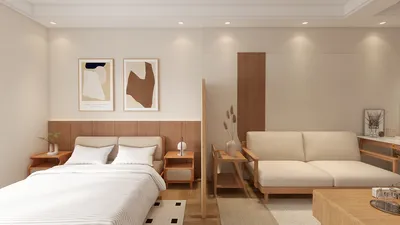


I once worked with a client who envisioned their living room as "invisible"—completely devoid of bold colors or patterns, aiming for a tranquil space where their cat could comfortably nap without clashing with the decor. This challenge prompted me to explore how neutral color schemes can still be visually appealing. Whether dealing with small spaces, tight budgets, or particular pets, neutral designs often lead to the most inventive solutions.
1. Textured Layered Neutrals
I enjoy beginning with a simple beige or warm gray wall and enhancing depth through various textiles: a boucle sofa, a woven jute rug, and soft linen curtains. The strength of this approach lies in its timeless tranquility and adaptability; however, neglecting texture can lead to a flat appearance. A useful tip is to mix matte and glossy finishes in smaller decor pieces to maintain visual interest.
save pin
2. Monochromatic Scheme with Accented Materials
Select a singular hue—such as gentle taupe—and create contrast through materials like walnut, black metal, and cream stone. This creates a cohesive yet elegant look. It remains budget-friendly if you choose one standout piece in the accented material. One efficient way to check proportions is by using a room planner like Homestyler to visualize balance and scale.
save pin
3. Minimalist Scandinavian Aesthetic
This aesthetic is characterized by clean lines, abundant natural light, and functional furniture, making it ideal for compact living rooms where each piece can serve dual purposes. The downside is that it necessitates a certain discipline to avoid clutter. I frequently utilize a 3D floor planner, such as the one offered by Homestyler, to ensure an open flow while keeping storage solutions integrated seamlessly.
save pin
4. Warm Neutrals Enhanced by Greenery
Combining warm creams and gentle browns with plants like palms or fiddle-leaf figs infuses life into a space without vibrant colors. Plants provide texture and focal points but do require care. For those renting, faux plants can create a similar visual harmony without the upkeep.
save pin
5. Classic Neutrals with Patterned Touches
Maintain neutral tones on walls and larger furniture pieces, then introduce cheerful patterned cushions, an area rug, or framed artwork to express individuality. This setup remains adaptable—swap out patterns seasonally for a refreshed vibe. The only challenge lies in selecting patterns that complement each other; I suggest limiting yourself to two different pattern scales to prevent visual chaos.
save pin
Tips 1:
For practical budgeting, consider investing in neutral upholstered furniture and changing smaller accents with the changing seasons. To easily plan and test ideas, utilize the room planner mentioned in my resources to model furniture and sightlines early. If you prefer laying out floor plans initially, a reliable floor plan creator can save significant time during the design process.
save pin
FAQ
Q: What qualifies as a neutral color for living rooms?
A: Neutral colors encompass whites, beiges, grays, taupes, and subdued browns. The undertones play a crucial role—warm or cool neutrals evoke different atmospheres.
Q: Is it possible for a neutral living room to feel cozy?
A: Yes, definitely! By combining warm materials, layered lighting, and tactile fabrics, comfort can be achieved without the use of bold colors.
Q: How can I add interest without introducing colors?
A: Focus on incorporating textures, contrasting materials, and varying shades within the neutral palette to maintain engagement within the space.
Q: Are neutral tones fitting for smaller living areas?
A: Certainly! Neutrals can create a sense of spaciousness, particularly when paired with reflective surfaces and well-planned lighting.
Q: What type of flooring complements neutral living rooms best?
A: Natural wood or light-colored tiles are versatile choices; opt for finishes that enhance your selected neutral tones.
Q: How often should I refresh decor in a neutral living room?
A: Small updates like cushions and decorative items can be seasonal, while major furniture changes can occur every 7 to 10 years, depending on wear.
Q: Are there recommended tools or resources for planning neutral living rooms?
A: For precise layouts and visualizations, it's advisable to use trusted planning tools; the American Society of Interior Designers (ASID) provides valuable guidelines (https://www.asid.org) regarding ergonomics and space design.
Q: Can neutral tones successfully showcase bold artworks?
A: Absolutely—neutral backdrops serve as excellent settings for bold art pieces, allowing the artwork to stand out without overwhelming the overall decor.
save pin
Homestyler is your go-to online home design platform, perfect for transforming your ideas into reality. With its user-friendly design tool, stunning 3D renderings, an extensive collection of design projects, and helpful DIY video tutorials, you can effortlessly create the home of your dreams!
立即免费设计
































