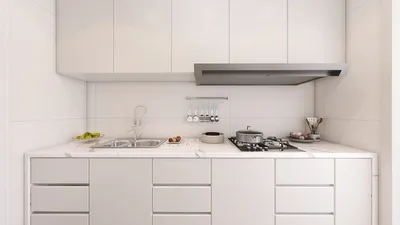


Navigating daily life with small fiber neuropathy (SFN) involves managing a balance between pain relief and functional abilities. Striving for consistency rather than perfection is key. When I develop environments and routines for clients dealing with SFN, I focus on measurable comfort, predictable pacing, and sensory control, integrating tools like Homestyler for optimal design solutions.
Two key considerations guide my methodology. First, elevated temperatures can exacerbate neuropathic discomfort through peripheral vasodilation; hence, maintaining cooler indoor environments (20–23°C / 68–73°F) and minimizing radiant heat can significantly lower flare-ups, a finding that resonates with established thermal comfort standards. Secondly, incorporating structured movement is beneficial: insights from a Steelcase study on micro-breaks revealed that brief, regular changes in posture enhance perceived comfort and reduce fatigue; implementing timed intervals of 20–30 minutes effectively alleviates symptoms for SFN patients by preventing prolonged pressure on sensitive areas. Furthermore, WELL v2's focus on adjustable lighting and thermal comfort underlines their importance for daily performance, providing essential strategies for creating comfortable living and working spaces. For those interested in how environmental factors affect health, you can explore these comprehensive guidelines in WELL v2.
Neuropathy extends beyond pain; it disrupts tactile feedback, balance, and fine motor skills. I view homes and workspaces as sensory instruments, aiming to minimize extremes, regulate physical activity patterns, and eliminate friction points. Here are some strategies and modifications I employ to enhance day-to-day manageability.
Establish a Rhythm: Balance Energy, Movement, and Micro-Breaks
Begin by outlining a practical energy curve. Prioritize essential tasks during your peak functioning periods, interspersed with micro-breaks every 20–30 minutes. Alternate between sitting, standing, and gentle walking; typically, two minutes of light movement suffices. Utilize timers to automate pacing—this results in less mental strain and fewer flare-ups.
Opt for seating that features adjustable height, lumbar support, and breathable, cushioned fabrics to alleviate pressure points. If standing while working, employ cushioned anti-fatigue mats and maintain a slight bend in your knees. For fine motor activities—like cooking or crafting—group them into shorter sessions and employ padded grips or modified tools to avoid overworking the small fibers in your hands.
Lighting That Soothes, Not Stresses
Vivid lighting and glare can amplify pain perception. Maintain ambient lighting within the range of 200–500 lux for regular activities, and use stronger task lighting (500–750 lux) for reading or intricate tasks. In the evening, opt for warm-neutral hues (2700–3500K) to ease visual strain and encourage relaxation. Employing diffusers, matte surfaces, and indirect lighting can help minimize glare—especially vital for individuals sensitive to heat from bulbs. WELL v2 highlights the significance of personal control over lighting; dimmers and layered lighting options offer flexibility throughout the day. For further details on glare and recommended illuminance, consult IES lighting guidelines.
Temperature and Texture: Maintain Thermal Calm and Tactile Comfort
Keep indoor temperatures stable, avoiding abrupt hot-cold fluctuations, and choose breathable natural fabrics (like cotton, Tencel, and merino) close to the skin. If heat provokes symptoms, cool the room first, then add warmth locally with lightweight blankets or wrist warmers for quick adjustments. In kitchens and bathrooms, select fixtures with insulated handles and steer clear of metal surfaces that can cause shocking temperature changes.
Ergonomics for Hands and Feet
For hand sensitivity, select tools with soft, slightly larger grips to minimize pinpoint pressure. In home office settings, a split or low-force keyboard combined with a vertical mouse can help reduce strain. Comfort for feet improves with cushioned insoles, supportive footwear, and soft rugs on hard floors; if balance is an issue, a low-pile rug with non-slip backing is safer than thicker options.
Layout That Minimizes Exertion
Position essential items within one or two steps of your primary work area. Store heavier objects at knee to shoulder height to prevent excessive bending. Incorporate pull-out shelves and lazy Susans to shorten reach distances. When reorganizing a studio or home office, prototype your layout before making storage purchases; utilizing a room planning tool can clarify how pathways and work triangles influence energy use and fall risk.
When mapping out routes, avoid tight corners and clutter. Maintain at least 900 mm (36 in) clear pathways and include stable seating—like a counter stool or armchair—every 5–7 meters if prolonged standing results in discomfort.
Sleep: Cool, Dark, and Consistent
SFN can intensify nighttime discomfort. Keep the bedroom slightly cooler, aim for blackout or low-glare window treatments, and use soft textiles to minimize noise. A mattress designed for zoned pressure relief with a breathable topper is often beneficial. Develop a 30–45 minute wind-down routine that gradually reduces stimulation: warm foot soaks, stretching, and low-light reading work best. Minimize exposure to bright screens in the last hour; if device use is necessary, switch on night modes and lower brightness.
Your Daily Comfort Kit
Assemble a compact kit to carry or keep within easy reach: lidocaine patches or recommended topical analgesics, soft gloves for cold sensitivity, a reusable cold pack, and compression sleeves (as tolerated), plus a note outlining your pacing strategy. Consider adding a collapsible cane or walking aid for balance fluctuations; having them on hand can alleviate anxiety during symptom flare-ups.
Nutrition, Hydration, and Gentle Exercise
Consume regular, balanced meals to stabilize energy levels. Hydration, though often overlooked, is crucial—a lack of fluids can worsen fatigue and pain perception. Engage in gentle, low-impact exercises (walking, stationary cycling, water therapy) that promote circulation without burdening the small fibers. If heat worsens symptoms, consider opting for a cool pool or early morning walks.
Acoustic Comfort and Stress Management
Consistent noise can heighten stress responses and pain sensitivity. Incorporate soft materials—such as curtains, rugs, and upholstered furniture—to absorb sound. White noise or nature sounds can effectively mask sudden spikes in noise levels. Integrate quick breathing exercises into your routine: a four-count inhale followed by a four-count exhale for one minute during transitions can lead to reduced stress and fewer flare-ups.
The Psychology of Color for Visual Peace
Choosing subdued, mid-tone color palettes can lessen visual overstimulation. Softer shades—like gentle blue-green—tend to create a serene atmosphere, while overly intense reds can be disturbingly stimulating for some individuals. Keep edge contrast subtle (like stairways, door thresholds) to ensure navigation feels secure without causing visual fatigue. If repainting, favor matte finishes over glossy ones to mitigate glare.
Safety Without a Clinical Aesthetic
Comfort stems from stability. Integrate grab bars that complement your fixtures, non-slip mats that resemble woven materials, and rounded furniture edges for safety. Chairs with arms facilitate easier sit-to-stand transitions, and placing touch lighting or motion-activated lights along pathways can prevent the jarring effect of bright overhead lights during flare-ups.
Work Methods and Boundaries
It's important to communicate your pacing requirements to coworkers: dedicated focus periods, brief breaks, and flexibility during flare-ups. Utilize calendar blocks to safeguard recovery times. If typing exacerbates your symptoms, consider using voice recognition technology or batching emails. Keep a log of triggers—such as heat, stress, or extended fine-motor tasks—and adjust your routine monthly.
When To Consider Adjustments
If experiencing spikes in pain or numbness and a decline in balance, consult with your healthcare provider regarding medications, topical treatments, or physical therapy options. Conducting a home safety evaluation may help identify fall hazards that you otherwise might overlook. The most effective changes often come from small, gradual, and layered approaches—such as optimizing light, temperature, pacing, and ergonomics working in unison.
Frequently Asked Questions
Most individuals feel more comfortable in a constant environment of 20–23°C (68–73°F). It's advisable to avoid rapid temperature shifts. Use layers for warmth in specific areas to allow for adjustments without overheating.
Aim for 200–500 lux for general lighting and 500–750 lux for focused tasks. Implement dimmers and indirect lighting to minimize glare, which can heighten discomfort.
These strategies facilitate pacing if used effectively. Regularly alternate between sitting and standing every 20–30 minutes while utilizing a cushioned mat. Avoid locking your knees or maintaining prolonged static postures.
Opt for breathable, soft materials—like cotton, Tencel, and merino—against your skin, coupled with matte finishes on surfaces to mitigate glare and thermal shock.
Utilizing subtle, mid-tone color schemes can reduce visual stimulation. Cooler colors are often calming, while high-intensity warm colors might be agitating for some.
Select supportive footwear featuring cushioned insoles paired with stable heel counters. Within your home, incorporate soft, non-slip rugs to cushion against hard surfaces.
Maintain a cooler bedroom environment with blackout or low-glare window covers, breathable bedding, and a consistent pre-sleep routine. Also, ensure pathway lighting is low-level for nighttime bathroom visits.
Yes, provided the exercises are low impact and well-paced—such as walking, cycling, or aquatic therapy. Short sessions with rest breaks tend to be more beneficial than lengthy, rigorous workouts.
Minimize reaching distances by storing heavier items at knee to shoulder height, and maintaining unobstructed pathways of 36 inches. Utilize pull-out shelves and lazy Susans to lessen twisting movements.
Consistent noise, whether sustained or sudden, can increase stress and perceived pain levels. Incorporate soft finishes for sound absorption and consider gentle white noise to help mask noise spikes.
Incorporate split or low-force keyboards, use a vertical mouse, provide wrist support, and take frequent micro-breaks. For longer written communications, exploring voice input can be advantageous.
Addressing glare and temperature should be your top priorities—utilize dimmers and indirect lighting, along with maintaining stable, cooler ambient temperatures for immediate comfort benefits.
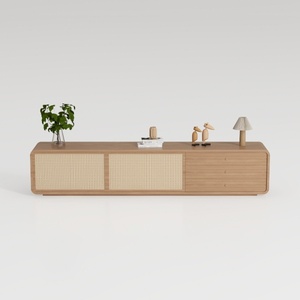
Walker Edison Sasha 4-Door Sideboard Buffet with
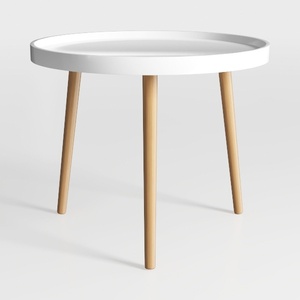
danpinera Round Side Table, Metal Legged Accent
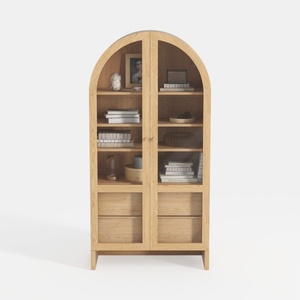
Minimalist Solid Wood Arched Display Cabinet 3D Model
Discover the magic of home design with Homestyler! This intuitive platform equips you with an online design tool, stunning 3D renderings, and a wealth of design projects and video tutorials. Bring your creative visions to life and transform your space effortlessly!
Concevez maintenant gratuitement
































