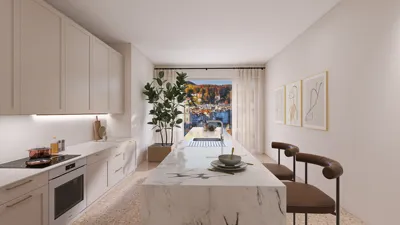


I once had a client advocate for placing a petite ficus tree inside the bathtub because “it needs humidity.” This prompted laughter and ultimately led me to redesign the entire concept around that unique idea. Such minor challenges have imparted a significant lesson: compact bathrooms provide an excellent opportunity to experiment with nature-inspired concepts, allowing for quick prototyping before making any permanent commitments. When I begin, I often lean toward straightforward natural bathroom ideas that can seamlessly transition from moodboard inspirations to tangible realities.
1. Incorporate Nature with Live Plants
I truly enjoy introducing plants into bathrooms — they enhance the texture, improve perceived air quality, and give a small space a curated feel. Options such as hanging ferns, a small shelf of succulents, or a moisture-loving philodendron placed near the shower are easy wins; however, the key challenge remains ensuring adequate light, so choose species that thrive in low-light conditions or opt for grow LEDs.
2. Embrace Earthy Materials and Textures
Using wood-look tiles, bamboo vanities, and rattan baskets can create warmth in tile-dominant areas, allowing them to age gracefully over time. My advice is to combine a warm wood tone with a cool stone surface to avoid a “tropical” theme-park vibe. On a budget, engineered wood or wood-look porcelain offers the aesthetic with less maintenance required.
3. Maximizing Natural Light with Skylights and Mirrors
Natural light connects your space to the outdoors — even a powder room without windows can gain benefit from light tubes or clerestory windows. When structural changes aren’t an option, I enhance openness by adding reflective surfaces and well-placed greenery. To visualize these concepts effectively, I often rely on realistic 3D renderings, such as those created by Homestyler, that illustrate how light and plants coalesce.
4. Incorporate Stone, Pebbles, and Organic Tile Patterns
Integrating natural stone or pebble insets provides a tactile, grounding effect and beautifully complements warm metals like aged brass. While this might not fit every budget, using a pebble shower strip or stone-effect porcelain can replicate that luxurious appearance; just be mindful of the grout maintenance and choose a durable sealant along with darker grout for high-traffic areas.
5. Thoughtful Layouts and Smart Storage Solutions
Designing the bathroom layout to highlight views of a plant nook or a textured wall creates an intentional, spacious atmosphere. I often utilize AI-assisted layout tools to experiment with storage configurations and circulation; during budget constraints, cleverly designed recessed niches and multifunctional vanities can be incredibly effective. For those looking to explore design, utilizing AI home design tools like Homestyler can expedite decision-making processes.
FAQ
Q1: Which plants thrive in bathrooms with limited light?
A: Consider pothos, ZZ plants, snake plants, and ferns; they flourish in humidity and lower light conditions, maintaining a lush appearance without direct sunlight.
Q2: Is natural stone a practical choice for compact bathrooms?
A: Yes, but be prepared for higher costs and maintenance; stone-look porcelain tiles offer a viable and durable alternative that provides a natural feel.
Q3: How can I prevent mold while keeping plants?
A: Ensure good ventilation and regular airing to reduce mold risk; keep soil surfaces dry and avoid overwatering. For expert moisture and mold management advice, refer to EPA resources (https://www.epa.gov/mold).
Q4: Is it feasible to use wood in a bathroom setting?
A: Yes, but opt for engineered or properly sealed wood for vanities and trims; avoid untreated solid wood in areas that may encounter standing water. Regular sealing can enhance longevity.
Q5: How do I maintain a unique design without falling into clichés?
A: Combine natural elements with unexpected textures — such as matte black fixtures, sculptural mirrors, or artistic prints — to keep the design modern and personal.
Q6: What’s an economical way to enhance nature vibes?
A: Change out accessories: wooden trays, woven baskets, hanging plants, and stone soap dishes can create a significant impact at a minimal cost.
Q7: How much room do plants require in a small bathroom?
A: Most small bathroom plants can thrive in pots that are 4–6 inches wide; utilize vertical space with hooks or shelving to prevent cluttered surfaces.
Q8: What’s the best way to visualize changes before renovations?
A: Consider using simple 3D previews or AI-driven sketches, such as those available through Homestyler, to quickly assess scale, lighting, and materials without the need for extensive alterations.
Discover the magic of home design with Homestyler! This user-friendly platform offers an intuitive online design tool, stunning 3D renderings, and a wealth of design projects and DIY video tutorials. Perfect for both novices and seasoned designers, bring your creative visions to life effortlessly!
Desain sekarang Gratis
































